Nobody would ask a creator to cross France for free. Crossing Belgium reads as nothing, and that is exactly why it costs you.
Why smallness makes it expensive
Nobody would ask this in a bigger country
Three observations, all verifiable.
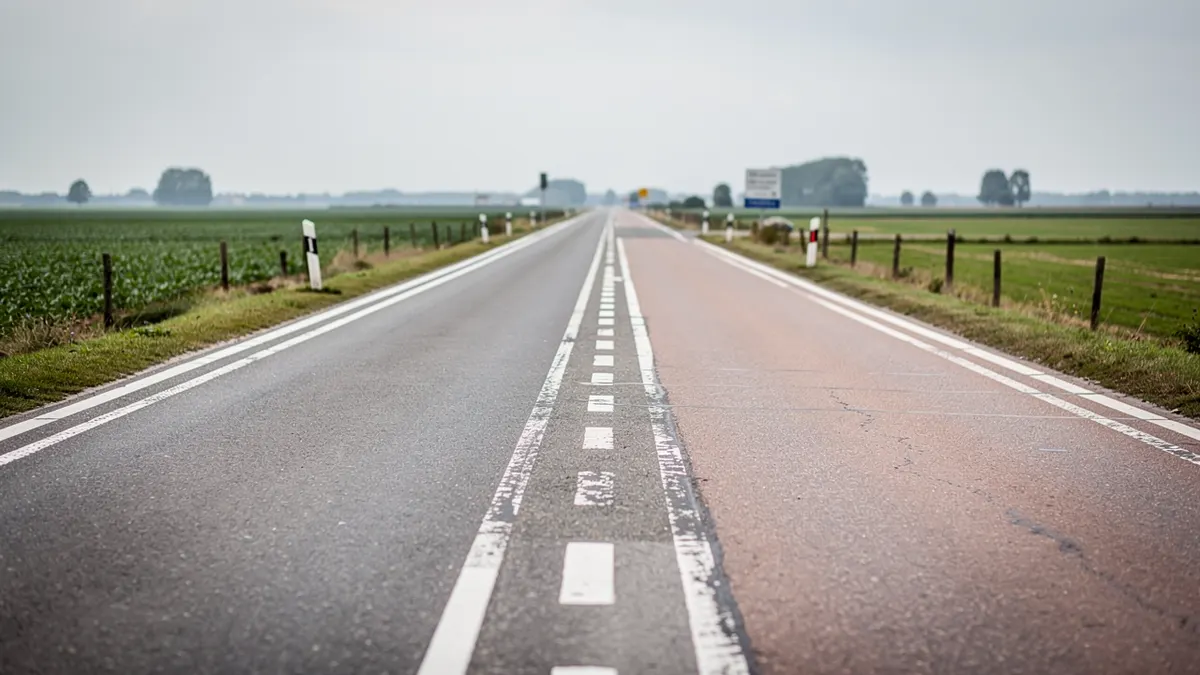
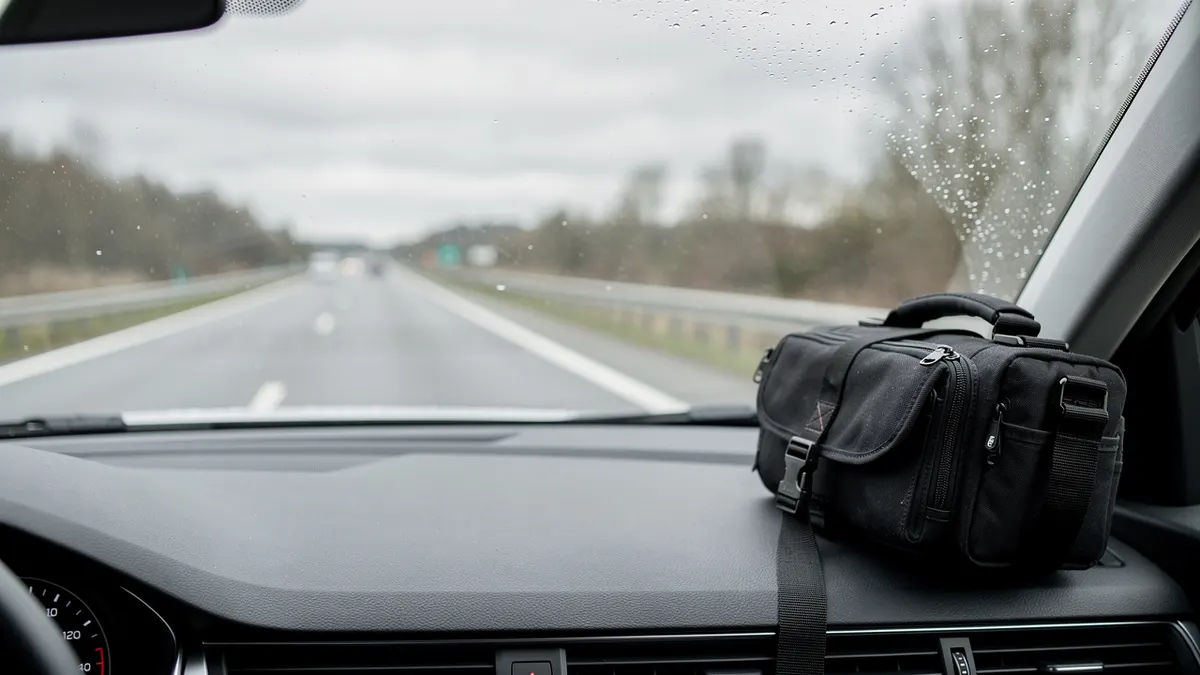
A distance looking short on a map is still half a day once you add the outward journey, setting up, shooting, packing and the return.
The country's density makes clients assume proximity: the same request, made a thousand kilometres away, would automatically come with a discussion about expenses.
And the habit settles in: travel waived once becomes the norm for every later order, with that client and with those they recommend you to.
What half a day really costs
Four costs, rarely added up.
The journey time, which can neither be filmed nor billed elsewhere.
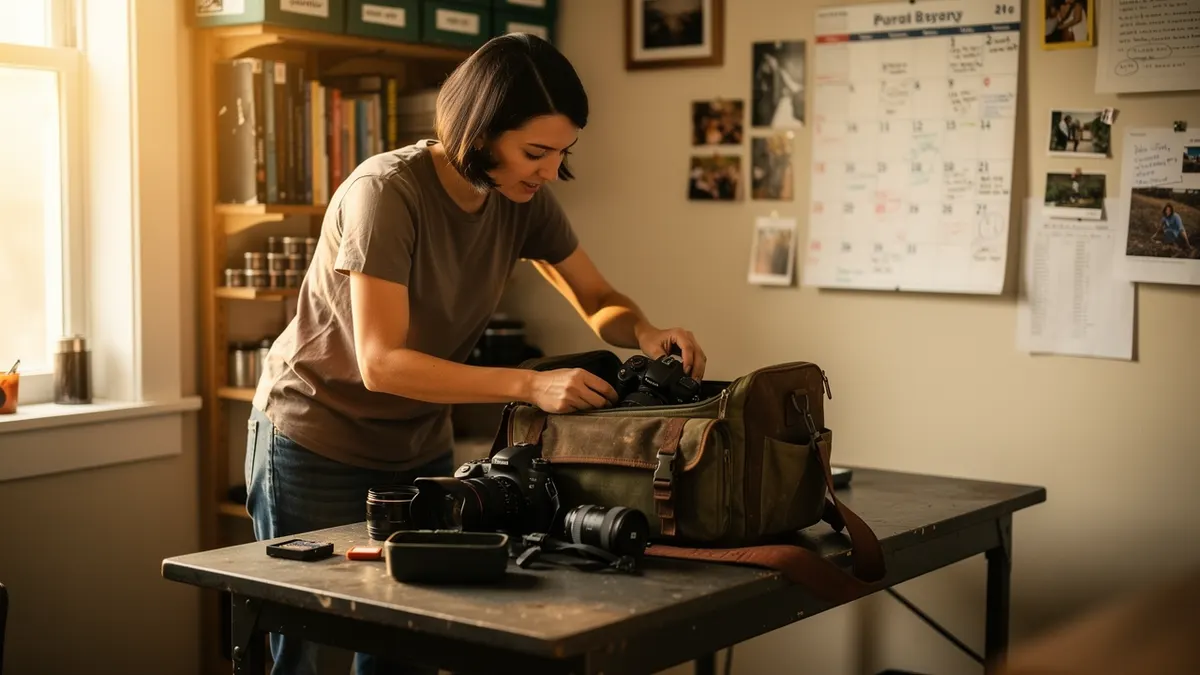
The setting-up and packing time on site, often equal to the shooting time.
The direct cost: transport, parking, sometimes a meal.
And the opportunity cost: the order you did not take that day, which is the highest cost and the only one nobody sees.
One honest calculation to do once: divide the amount of a job with travel by the number of hours really spent, door to door. The figure explains most pricing frustrations.
What to put in the quote
Five lines, and the subject disappears.
The shoot, by half-day or day, never per video when there is travel.
Travel and journey time, with a fixed amount per zone rather than a complicated per-kilometre rate.
Any waiting time, at the hourly rate: that is the line protecting you on in-store shoots where you wait for the manager.
The usage rights, independent of everything above.
And a clear statement of the starting point, which defines the zones.
One useful clarification for jobs abroad: add the question of language and that of permissions, which take time and are priced too.
How to say it without justifying yourself
Three formulations that work.
Announcing the zones in the first exchange, before the price is discussed.
Presenting travel as a fact of organisation, not as a request: "for that zone, I block half a day".
And offering a concrete alternative: the shoot at your place, or grouping two orders on the same day.
That last option settles most cases. Two clients in the same town on the same day turn expensive travel into a profitable day, and both pay less than if they had ordered separately.
What is billed when you travel
| Item | What it covers | How to price it |
|---|---|---|
| The journey | Time spent on the road | Per hour or as a flat fee |
| Actual expenses | Fuel, tolls, transport | On receipts |
| Accommodation | A night if returning is impossible | On receipts |
| Being tied up | A day you cannot sell elsewhere | At the day rate |
What is fixed before accepting a distant shoot
The exact address, the requested arrival time, the duration on site and who covers the expenses. Without those four, a three-hour trip is discovered the night before.
What is politely refused
An unpaid trip on the grounds that the order is appealing. Road time is never recovered, and it costs exactly as much as a shooting day.
The case of the first client
Three situations, three answers.
A first job, short distance, serious client: waive the travel while showing it, as described above.
A first long-distance job: invoice it, and say so plainly. A client refusing to pay for a real journey will also refuse to pay for rights.
And a test job offered by a client who commits to nothing: decline politely, or propose a remote shoot.
One last marker, valid for a whole career: travel is the only part of the trade that never improves with experience. Editing gets faster, writing surer, lighting simpler, but an hour on the road stays an hour on the road. That is the soundest reason to invoice it.