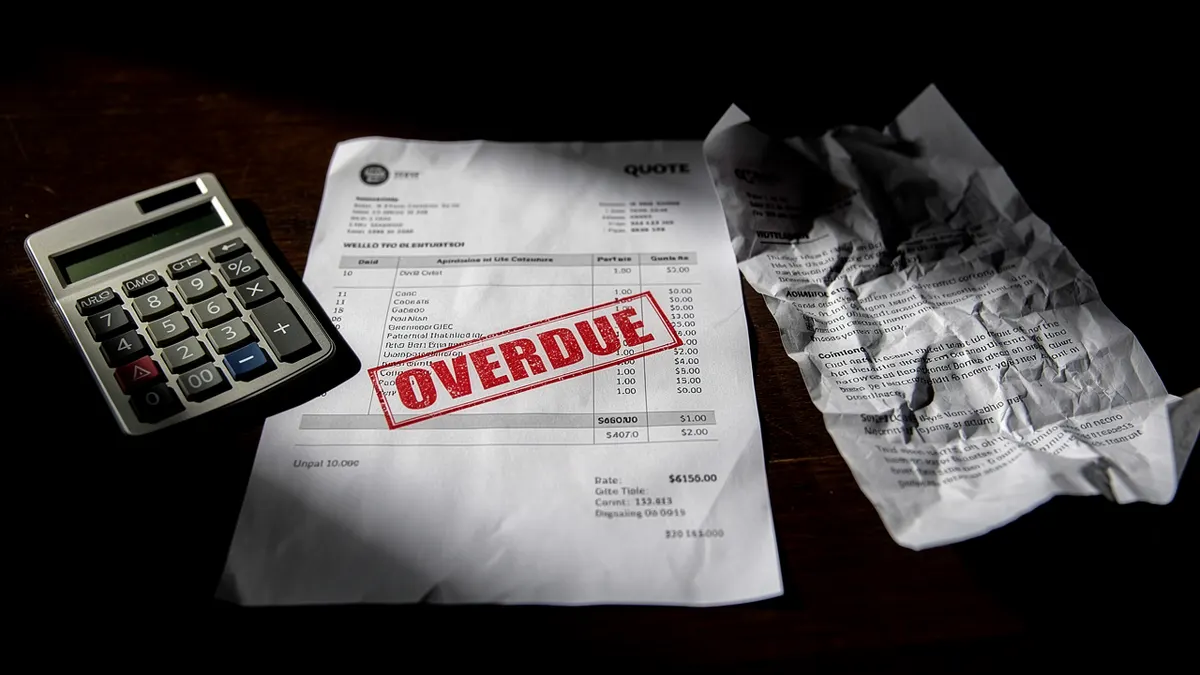
An offer is not a rate. It is a sorting tool: it must let someone know within ten seconds whether you are the right person, and place you in their budget without writing to you.
In Spain the costliest mistake is building only one, because three very different buyers land on the same profile.
Three buyers, three offers
The small local business. It wants a video for its own use, it decides fast, it pays fast, and it needs to be told what to take. For it, a simple all-inclusive offer, with a price and a lead time. Too many options paralyse it.
The intermediary. Agency, studio, buying desk: it does not choose, it compares and fills a grid for its client. It needs separate, comparable lines, a price per video, a price per extra version, a price per usage duration. An all-inclusive offer stops it fitting you into its table, and it moves on.
The foreign brand selling in Spain. It already has its videos, shot elsewhere, and what it buys is a version that does not sound imported. It is the best-disposed buyer on the Spanish market, and almost nobody speaks to it.
What a readable offer line contains
Four elements are enough, and one is almost always missing.
The deliverable, in number and length. The lead time, in working days from receipt of the product. The number of revision rounds included, which is the real source of overrun. And the permitted use: brand channels only, or paid advertising, and for how long.
That last point is not a contractual detail. It is a price line: the same video is not worth the same whether it lives for a month on an account or a year in a paid campaign.
The extras that need a displayed price
An extra version for another format. A second language. An extended usage period. A shortened deadline. Travel.
Displayed, they raise the average basket without negotiation. Undisplayed, they become favours you grant for free, then a resentment.
Payment is part of the offer
With structured buyers, an invoice is not paid because it is correct, it is paid because it matches a registered order.
So ask, before shooting, for the order reference, the exact name of the paying entity and the expected invoice format. State your payment term in the offer itself, not in terms and conditions nobody reads.
This is not distrust: it is what saves you weeks of chasing an invoice that never entered the system.
Three levels beat ten
An entry level that makes the decision easy, a middle level that should be the one most people choose, and a high level that mainly exists to make the second one reasonable.
Beyond that you are no longer offering a choice, you are handing out work. And a buyer who has to think for a long time in front of a grid often ends up taking nothing.
Three packages that sell
| Package | What it contains | For whom |
|---|---|---|
| Trial | 1 video, 2 formats, 6-month rights | A first attempt |
| Series | 3 videos, 4 formats, 12-month rights | A campaign |
| Monthly | 4 videos a month, 12-month rights | An established brand |
What is charged on top
The second language, a revision beyond the package, an extra format and use in paid advertising.
What never sits inside a package
An unlimited transfer, category exclusivity and an uncapped number of revisions.
What gets revised, and when
Prices are reviewed once a quarter, not case by case inside a conversation.
The signal to raise them is not your technical progress, it is your acceptance rate: if almost everyone says yes immediately, your price is below the market. If nothing happens for several weeks, it is not necessarily the price, it is often the offer that is not readable.
Sources
- Agencia Tributaria, Spanish tax authority
- Spanish Social Security, self-employed registration (RETA)
Checked on 4 September 2026. Thresholds and rates change: where this guide and the official source disagree, the official source is right.