Oil, wind and Patagonian logistics. High local costs, high rates, and clients who need technical video.
The typical client is industrial
Six categories that order.
Site operators.
Oilfield service companies.
Heavy logistics and transport.
Industrial maintenance.
Equipment suppliers.
And workplace safety companies.
What they order
Six frequent formats.
A safety and procedure video.
A company presentation for a tender.
Technical recruitment content.
Coverage of an installation.
A visual progress report.
And internal training.
Safety decides whether you get hired
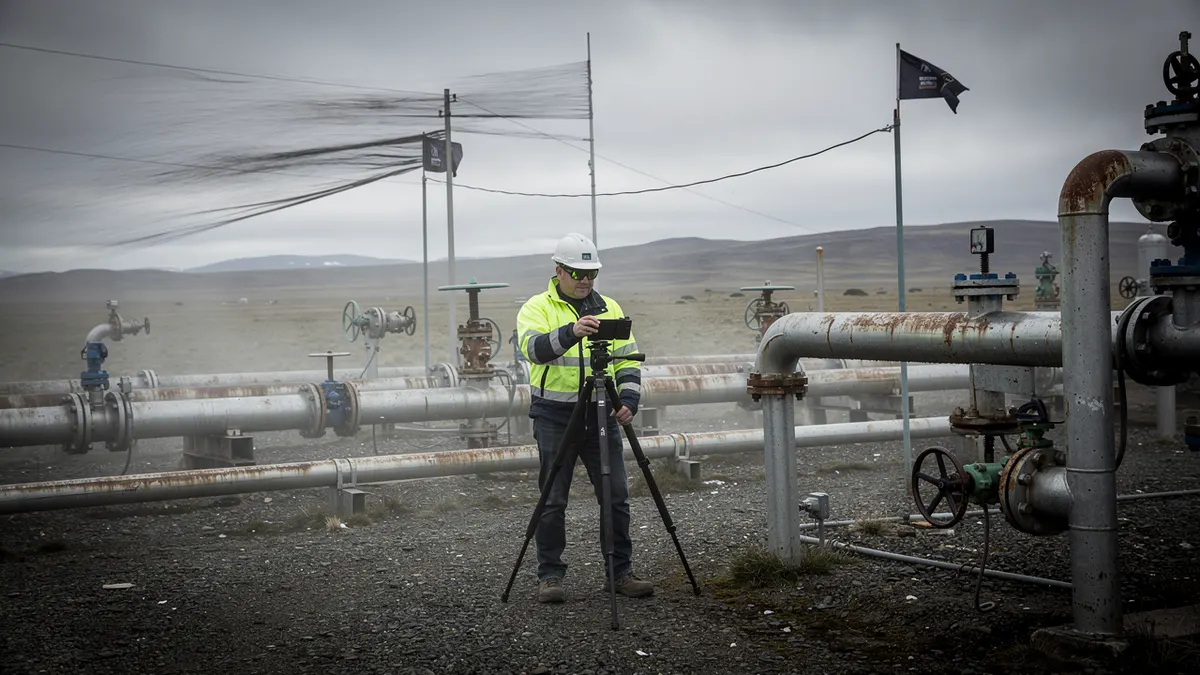
On an industrial site, access is never automatic. The client first checks whether you are compliant, not whether your images are beautiful. Turning up knowing the requirements, without trying to get around them, is the difference between a provider they call back and a file they shelve.
What to prepare before requesting access
Seven things to assemble.
Insurance cover suited to the activity, to be checked with your insurer.
The protective equipment the site requires.
The access training the operator asks for.
A list of equipment declared in advance.
A client-side contact for the escort.
The rules on what may be filmed in the area.
And written approval before publication.
Pricing waiting time and travel
Six lines to show.
The real travel time, out and back.
The waiting time for site access.
Accommodation if the site is remote.
Consumable protective equipment.
Days lost to weather.
And a margin for a postponed session.
Why big-city rates do not apply here
Your fixed costs are higher, distances are long, and few providers are able to work on these sites. Aligning your price with a capital's amounts to financing the local constraint yourself. A fair price includes travel, waiting and the risk of postponement.
Urban consumption for the quiet months
Six local clients to activate.
Shops and restaurants.
Dealerships and workshops.
Clinics and practices.
Schools and training providers.
Hotels and accommodation.
And consumer services.
How to smooth the year
Six habits.
Reserve two weeks per quarter for the local market.
Offer a short package to shops.
Follow up industrial clients before their annual budget.
Keep one client outside the oil sector.
Build a reserve for months without a contract.
And invoice a deposit on every long project.
What an isolated industrial context allows
| Asset | What it brings | Its limit |
|---|---|---|
| Rare industrial sites to film | A setting nobody else has | Tightly controlled access |
| Little local competition | Fast reference status | A small pool of buyers |
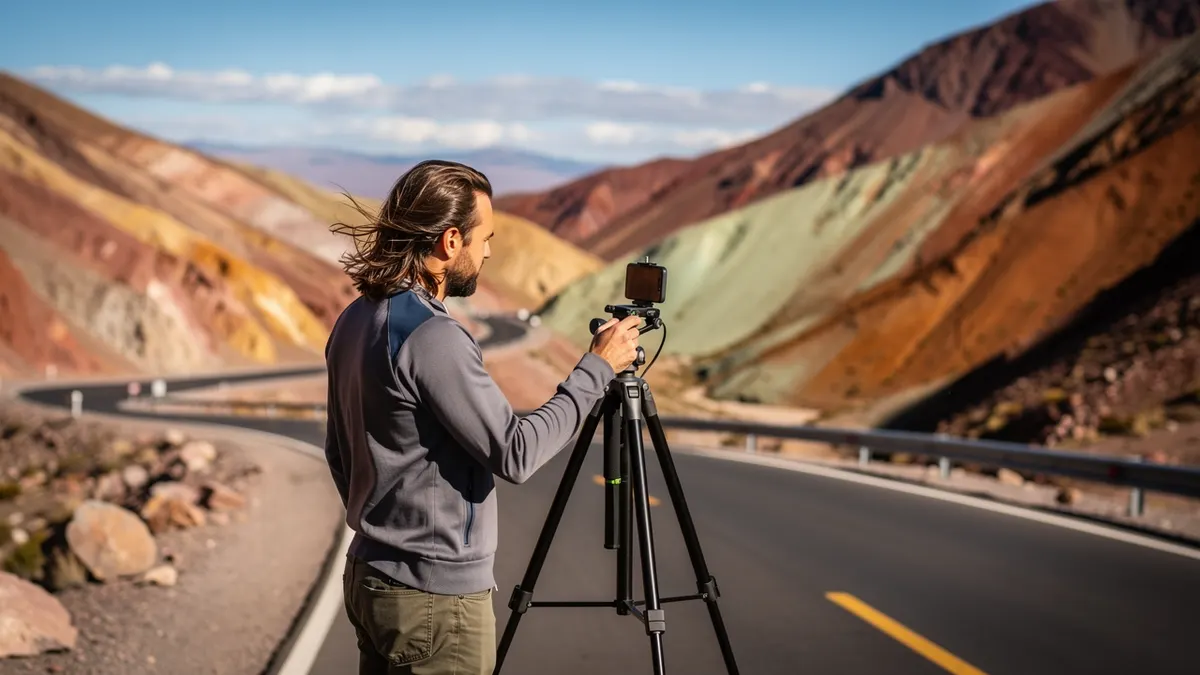
| A striking landscape | Sought-after exteriors | Wind and weather |
What is settled before any outdoor shoot
The wind. A windshield, your back to the wind, and an indoor fallback already scouted: without those three precautions, the audio track is unusable and the shoot has to be redone.
What compensates for the distance
The remote order book and a postal time stated in advance. Those two habits turn a geographic constraint into simple logistical information for the client.
What the platform brings
On UGC MATCH, joining is free and there is no subscription: you are visible by category, language and country, and the order keeps a record of the brief and the delivery. The brand pays at ordering, the funds are not released straight away, and payment goes out on approval. The platform retains 10% of the price on the creator side, who therefore keeps 90%, and charges the brand a 6% service fee, with a minimum of 1.50 EUR.
One last marker: here, what gets you hired is not your gear, it is your ability to enter a site without creating a problem. The rest is negotiable.