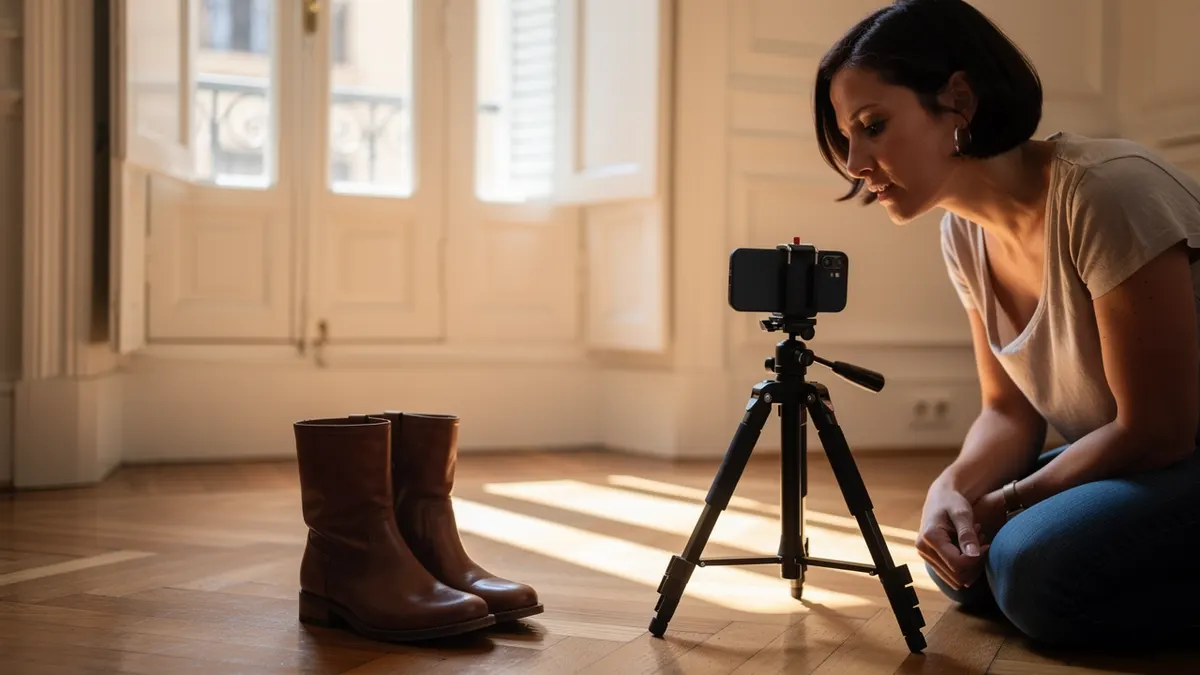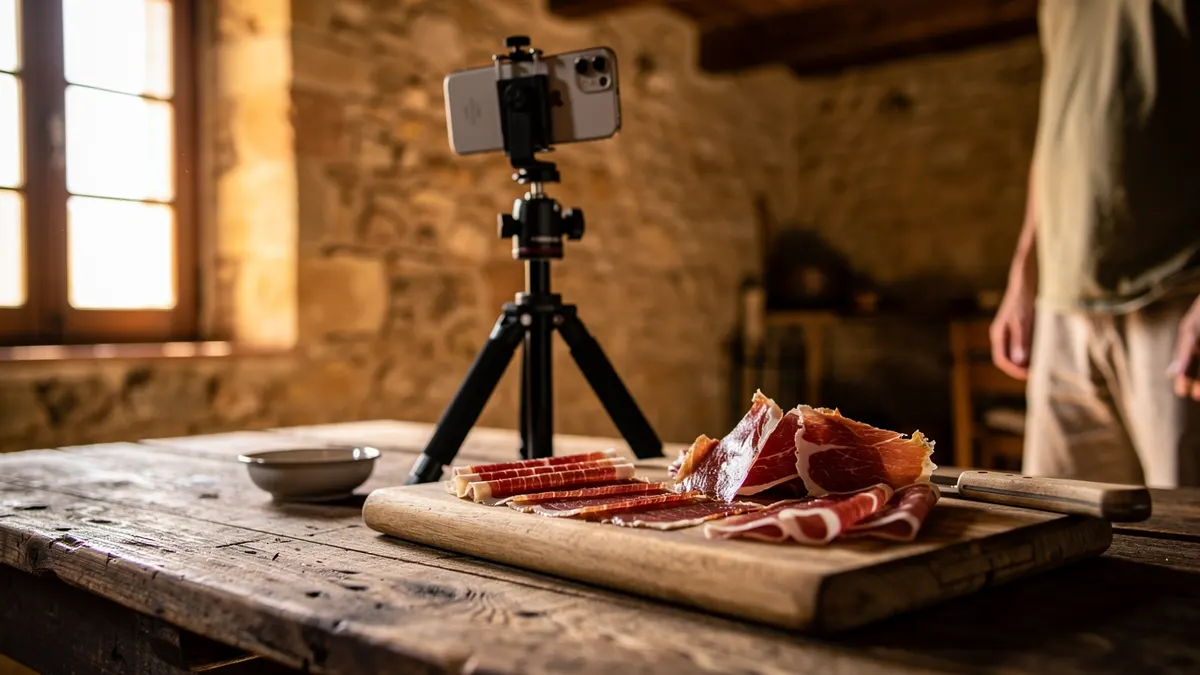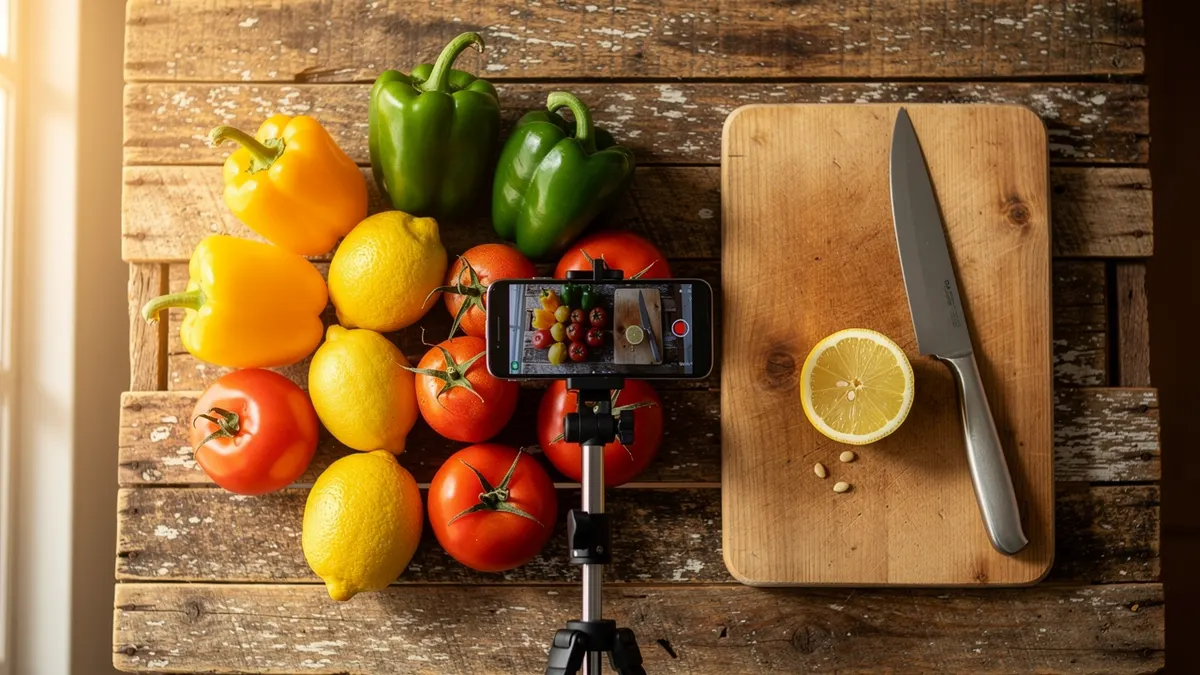
Food exporters, agriculture and a student city: here product video is bought from those who can make an ordinary vegetable desirable.
What the local economy pays for
Six client families.
Fruit and vegetable exporters.
Cooperatives and producers.
Packing and logistics companies.
Processed food brands.
Shops and restaurants.
And schools and services of the student city.
Making an ordinary product desirable
Seven reflexes that change everything.
Film the material very close.
Show a real preparation gesture.
Use side light rather than frontal light.
Keep colours faithful to the product.
Show the product in a hand.
Add the sound of a cut or a crunch.
And end on the use rather than the product alone.
The questions a producer will ask you
Six answers to have ready.
Whether you can come during harvest hours.
Whether you know how to work without slowing the line.
How long the field is occupied by your setup.
Whether the video can be reused next season.
Whether a version without a voice-over is included.
And who owns the footage once it is delivered.
The version aimed at buyers
Six shots that answer their questions.
An open crate showing consistency.
A full pallet to convey volume.
A side-by-side comparison of gradings.
A label readable on screen.
The packing under way.
And the product after transport.
The mistakes that ruin a food shot
Seven details that show up on screen.
Condensation on a product taken out of cold storage.
A colour cast from a greenhouse roof.
A crate whose label belongs to another client.
A hand that is not clean enough for a close-up.
A background that shows unsorted waste.
A cut made with a blunt knife.
And a product that has waited too long under the light.
Filming on a farm
Six rules to respect.
Ask permission before entering a field.
Respect the packing shed's hygiene rules.
Do not get in the way of an ongoing harvest.
Shoot early, when the light and the quiet are there.
Protect the gear from dust.
And have the images approved before release.
Food disclosures
Six rules of caution.
Do not promise an effect on health.
Reuse only the wording on the label.
Do not suggest a different origin.
Have every spoken line checked by the client.
Disclose the commercial nature of the content.
And have applicable obligations confirmed with a lawyer.
A realistic way to start
Six concrete actions.
Film three local products for your sample.
Prepare a consumer version and a buyer version.
Contact cooperatives before the season.
Become visible on the platforms.
Ask for a referral after every delivery.
And come back to clients at every new harvest.
How to build a price here
Six lines to show.
Preparation and location scouting.
The real time on the farm.
The number of versions delivered.
The number of revisions included.
The rights line, with duration and territory.
And the option of an export version.
What a market-gardening region orders
| The buyer | Their typical order | Their window |
|---|---|---|
| A grower or cooperative | The harvest and the packing | The production season |
| An exporter | The product and its traceability | Before the trade shows |
| A city business | Product videos | All year |
What a shoot on a farm requires
A prior visit and suitable footwear. Plots are large, access is muddy or dusty depending on the season, and a poorly prepared session spends half its time moving around.
What is never asserted without a document
A certification, a protected origin, a production method. Those statements are controlled and come from the grower, who supplies the exact wording to use in the video.
What the platform brings
On UGC MATCH, joining is free and there is no subscription: you are visible by category and country, and the order keeps a record of the brief and the delivery. The brand pays at ordering, the funds are not released straight away, and payment goes out on approval. The platform retains 10% of the price on the creator side, who therefore keeps 90%, and charges the brand a 6% service fee, with a minimum of 1.50 EUR.
One last marker: here, knowing how to shoot two versions of the same product doubles your invoice without doubling your day.
Sources
- Agencia Tributaria, Spanish tax authority
- Spanish Social Security, self-employed registration (RETA)
Checked on 26 August 2026. Thresholds and rates change: where this guide and the official source disagree, the official source is right.