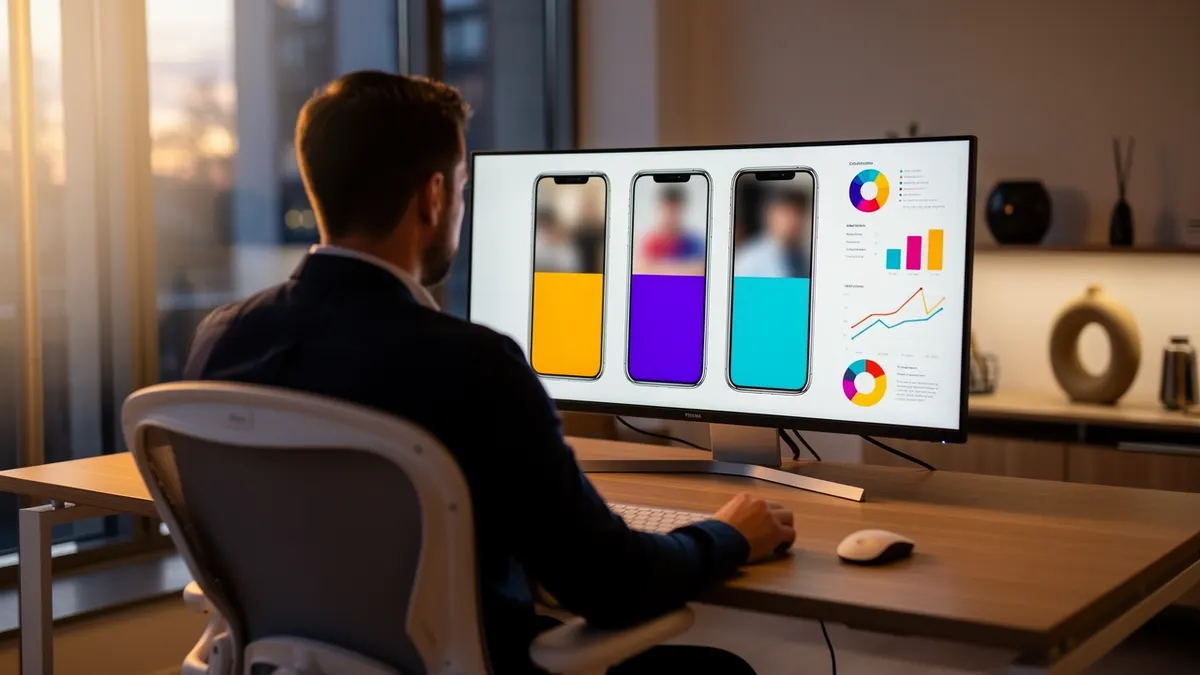
Email is the only channel a brand truly owns. Putting an already paid-for video into it costs an hour and often changes more than a campaign.
The technical constraint, settled once
That is the starting point, and it is simple.
A video does not play inside an email. What goes in is a still image, or a short animated one, linking to a page where the video is hosted.
Three rules are enough. Choose a thumbnail showing the product in use, with a visual play cue. State the length clearly, because people accept thirty seconds more easily than an unknown duration. And plan for images not to load: the message must remain understandable without them.
Where the video counts most
Five moments, in decreasing yield.
The message following delivery, described above.
The abandoned-basket reminder, where a demonstration lifts the objection better than a discount.
The welcome message, which sets the tone and introduces the person behind the brand.
The follow-up after thirty or sixty days, with a secondary use of the product.
And the returns message, sent when somebody sends an item back: a video explaining the exchange sometimes avoids the refund.
The Italian detail
Two particularities change the writing.
The audience reads on a phone, often at the end of the day, and willingly opens a message from a company it knows. The open rate is therefore not the problem: it is the length of the message that loses people.
And the commercial relationship stays personal: an email signed with a first name, with a real photograph of the workshop or the shop, produces a completely different result from an anonymous message.
Add language: a brand selling abroad too is better off separating its lists than sending a bilingual message, unreadable for both audiences.
What not to do
Four mistakes, all common.
Reusing an advertising video as it is: the tone of a social feed does not work in an inbox.
Putting the price into the video's image, which makes the message false at the next promotion.
Sending the same video in five different messages, which wears the content out and tires the list.
And forgetting the identification of the commercial nature when the video shows a paid creator: the rule follows the content, including in email.
What to measure
Three indicators, and two of them are more useful than the click rate.
The return rate of the orders that received the message, compared with the others.
The number of support requests on the subject covered by the video.
And the share of second orders within sixty days.
The click rate measures the thumbnail. Those three measure the video.
Where a video fits inside an email
| Moment | What the video does there | Format |
|---|---|---|
| After the first purchase | It shows how to start well | A clickable cover image |
| Thirty days later | It suggests a new use | Twenty seconds |
| Before a repeat purchase | It recalls what was liked | Fifteen seconds |
What goes in the email and what stays out
A still image and a link, never an embedded video: many mail clients will not play it and the message lands in spam because of its weight.
What is checked before sending
The link, how the thumbnail displays with images blocked, the presence of an unsubscribe option and the compliance of the consent, to be confirmed with a lawyer.
Rights, in one line
That is the check to make before pressing send.
A video shot for a social account is not automatically usable in email, which is a distinct medium.
So add email to the list of authorised media at quotation time, with the duration. It is one line, and it saves having to pull a message out of an automated sequence six months later.