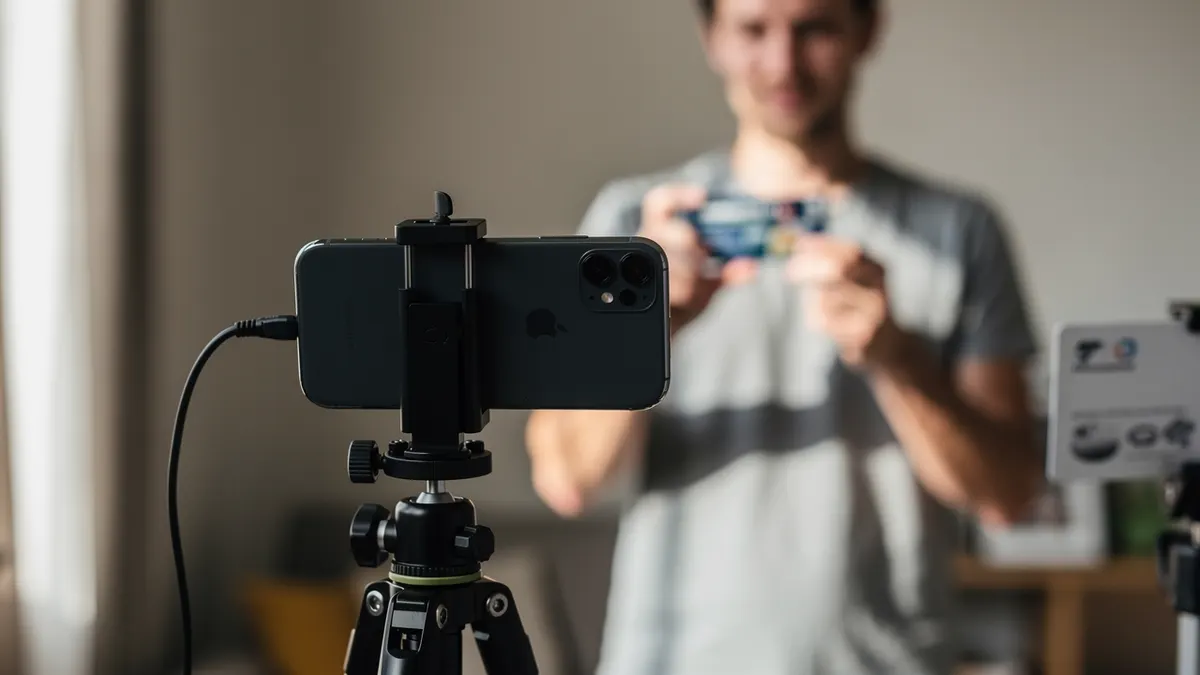
Channels, territory and duration, plus the two clauses that count when a campaign runs in two languages and two provinces.
The three things every licence must name
Three, and they are inseparable.
The channels: organic publication, paid advertising, product listing, website, in-store display. Each is named explicitly.
The territory: the provinces or the whole country, written in black and white.
And the duration: an end date, never an open formula.
A fourth line, almost as important: what happens at the end. Renewal at the same price, renegotiation, or effective withdrawal of the videos.
The language clause
Four situations to handle distinctly.
Subtitling in the other language, without touching the voice.
Dubbing, which replaces the voice but keeps the person's image.
Re-editing with a new voice-over, which changes the nature of the piece.
And producing a second version shot by another person, which is no longer the same video and requires a new order.
One practice settling everything from the start: order both languages on the same day, with two native creators, and two distinct licences. The marginal cost is low, and the question no longer arises.
The provincial question
Three reasons why "Canada" is not always enough as a territory.
Some display and language obligations vary by province, which can make a version unusable where it was not designed for.
A local campaign does not need a national territory, and paying for one costs more without adding anything.
And a later extension is negotiated better if it is planned from the start, with a price agreed in advance.
One practical wording: name the starting territory, and add a priced extension option, valid for six months.
What a creator can reasonably refuse
Four frequent requests, and legitimately debatable ones.
Total and perpetual assignment, which removes any future resale of the same video.
Unlimited use of their face in edits they will never see.
Assignment of the right to modify freely, including having them say something else through dubbing.
And unpriced sector exclusivity, which forbids working for a competitor with no compensation.
One balanced note: none of those requests is illegitimate in itself. They simply have a price, and that price is discussed before signature, not after.
The line almost nobody writes
The image rights of visible people other than the creator.
Three frequent cases: a child, a relative, a customer in frame.
Each requires a written permission, signed on the day of the shoot, with the same end date as the main licence. That is a second signature, distinct from the creator's, and it is checked with a lawyer.
The four parameters that set the price
| Parameter | What it opens | What makes it costlier |
|---|---|---|
| The media | Social, website, in store, television | Every added channel |
| The duration | From three months to unlimited | Unlimited, always |
| The territory | A province, a country, the world | Going worldwide |
| The languages | One or two released versions | The second language |
What is read before signing
Automatic renewal, transfer to a third party, the fate of the source files, and whether both language versions are covered by the same licence.
What stays with the creator after the licence
Authorship and the right to object to a modification that distorts the edit, unless otherwise agreed in writing, to be confirmed with a lawyer.
The simple way out
Five lines in the purchase order, and the essentials are covered.
Authorised channels.
Territory.
Duration, with an end date.
Permitted modifications, language included.
And the fate of the files at the end.
One last marker, valid for any bilingual campaign: name the files with the rights end date and the language. The day somebody tries to reuse a video eighteen months later, the information will be in front of them, and nobody will need to find the contract.
Sources
Checked on 4 September 2026. Thresholds and rates change: where this guide and the official source disagree, the official source is right.