Almost every estate agent in Britain now produces video, and almost all of it is the same: a walkthrough of empty rooms with music, filmed whenever the keys were available.
It is not useless. It is simply the least valuable video an agency makes, because a well-priced house sells with or without it.
The walkthrough is not the growth engine
The purpose of a listing video is to reduce wasted viewings, and it does that. What it does not do is bring the agency its next instruction, which is the only thing that grows the business.
What actually wins instructions
A homeowner choosing an agent is deciding who to trust with the largest transaction of their life, on a high street where every window shows the same photographs.
They are not comparing walkthroughs. They are looking for evidence that this agency knows the street, sells things like theirs, and will not waste their time. That evidence is a different kind of video entirely, and almost nobody makes it.
What that other video looks like
| Content | Who it is for | Why it works |
|---|---|---|
| A sold board with a two-line story | Local homeowners | Proof, not a claim |
| The valuer explaining one street | The person about to call three agents | Specific knowledge is unfakeable |
| A market update for one postcode | Everyone thinking about moving | Useful whether they call or not |
| The lettings team on a real repair | Landlords | The fear is management, not tenants |
| A staff member who grew up here | The whole town | Belonging beats polish |
The second row is the strongest and the cheapest. Ninety seconds of a valuer talking about what actually sells on a specific road, filmed on that road, is worth more than a month of listing videos, and it costs one morning.
The hour of the day decides the shoot
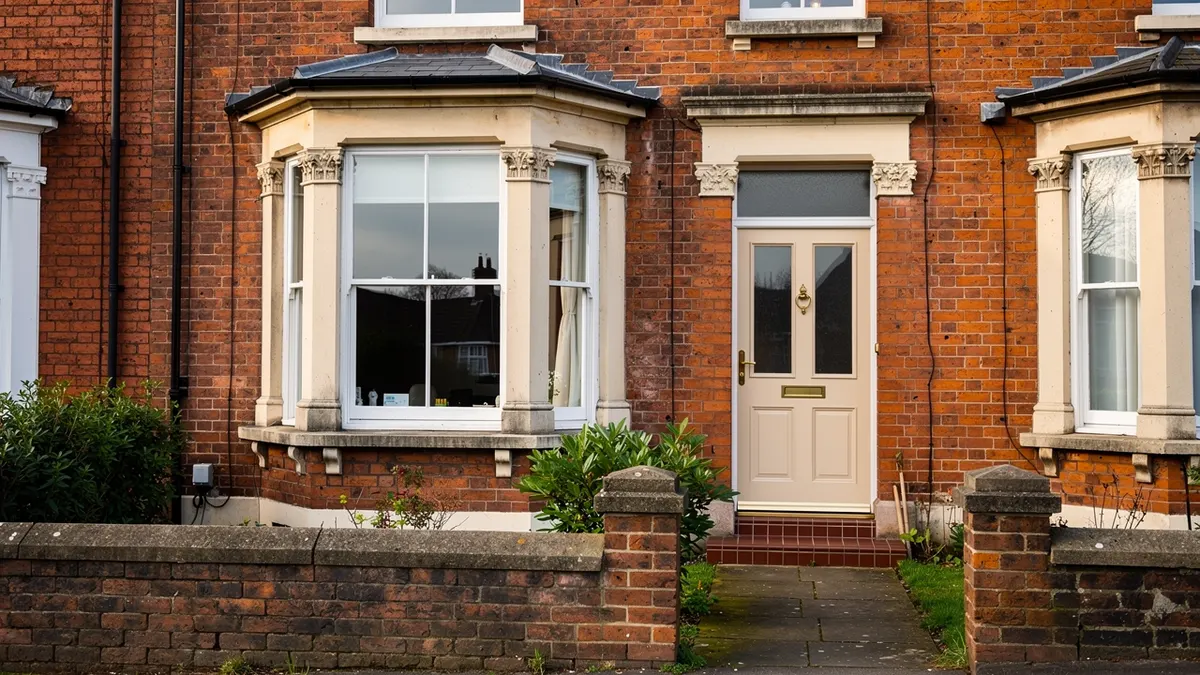
Property is the category where light does the most work, and the British sky makes it hard.
A house shot at three in the afternoon in December looks like a different house from the same one at ten in the morning in May. Front-facing rooms want morning, rear-facing want afternoon, and the outside wants the hour before sunset in any month that has one.
The two habits that raise everything
Turn off the interior lights when there is daylight, unless the room is genuinely dark, because mixing tungsten and daylight is what makes agency footage look yellow and cheap. And film the street, not just the property: the walk from the car to the door is the first thing a buyer experiences and it is almost never shown.
Volume is the real constraint
An agency with forty listings cannot treat each one as a production. The workable model is a two-tier one: a fast standard treatment for every property, and a proper shoot for the ones where it changes the outcome.
The fast tier should be a fixed routine, the same shots in the same order, done in twenty minutes. Consistency is what makes it look like a brand rather than like whoever was free that day.
The proper tier is for the top of the market, the difficult properties and anything the agency wants to be seen selling. That is also where the instruction-winning content comes from, because those are the videos other homeowners actually watch.
Who actually shoots each tier
The fast tier belongs to the negotiator, because they are already at the property and nobody else will be there at the right hour. The proper tier belongs to someone brought in, because it needs a second pair of hands and a person whose whole job that morning is the film.
What makes the fast tier survive staff turnover is a written card kept in the car: six shots, in order, with the height to hold the phone at and the room to start in. Training walks out of the door with the person who had it. A card stays.