Everybody writes about the brief. Almost nobody thinks about the parcel, and what is inside decides half of the messages that follow.
What is usually inside, and why it fails
The product alone is a guessing game
Three consequences of a parcel containing only the product.
The creator does not know which exact reference to film when the range looks alike.
They do not know what is allowed on screen, and they improvise.
And they do not know when to deliver, because the countdown starts on receipt, information nobody gave them.
Each of those gaps produces a message, then a wait, then a delay.
Three additions costing nothing
Three items to slip into the box.
A printed card with the exact reference, the sentence to remember written out in full, and the expected delivery date.
The short list of what is forbidden on screen: competing brands, claims, music, locations.
And the name of one single person to contact, with a way of reaching them.
One note on method: that card does not replace the brief, it makes it available at the moment the creator opens the box, which is the only moment they think about it.
What to leave out
Four items complicating everything.
Internal commercial documents, prices, discounts, memos.
The handwritten personalised note that might appear on screen and create confusion about the nature of the partnership.
Samples from other brands, which sometimes end up in the frame.
And promotional objects marked with a date or an event, which expire the video.
One further precaution: if the product carries mandatory statements, send the complete commercial unit, not an unlabelled sample.
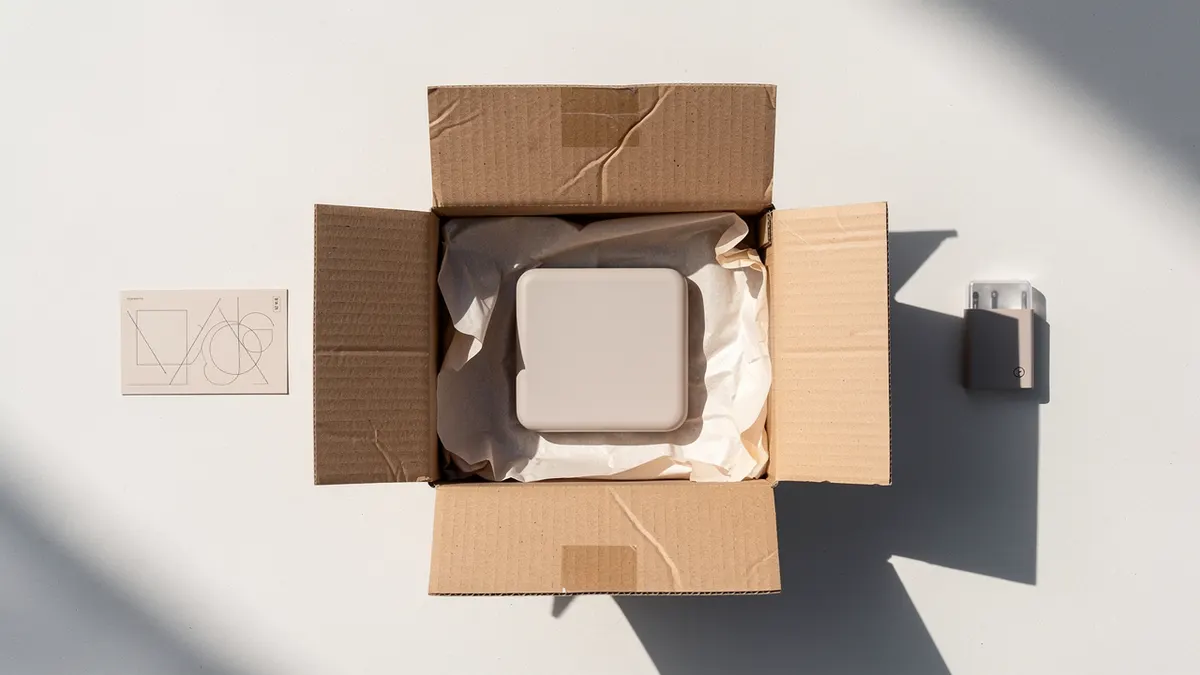
The packaging counts as much as the product
Three reasons.
The unboxing is often the video's first sequence, therefore the first second that decides.
A damaged or oversized box is visible on screen and leaves a lasting impression.
And what is left after opening, padding, bags, instructions, is part of what the buyer will discover.
One useful consequence: send the parcel as a customer would receive it, not in a service package. That is the only way to obtain a usable unboxing sequence.
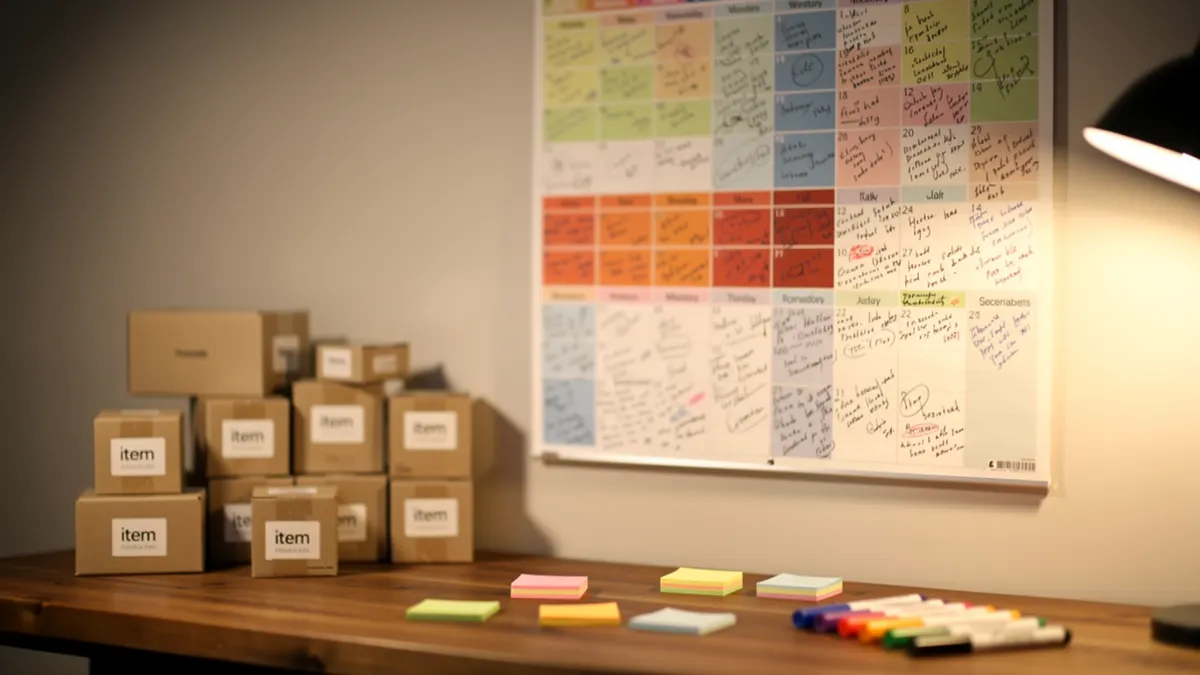
The calendar starts on receipt
Three rules avoiding half the delays.
The delivery deadline is counted in working days after receipt, never after the order.
The tracking is passed on to the creator, with an estimated date.
And the person confirms on receipt, which officially starts the countdown.
One note on cost: in countries where transport is slow or irregular, that one rule avoids most of the tension.
What a well-made shipment contains
| Item | Why | Format |
|---|---|---|
| The product plus a refill | To redo a failed take | The product as it is sold |
| A one-page sheet | What to say and what to avoid | PDF or paper |
| The upload link | To avoid files over chat | One unique link |
What you add when the product works poorly alone
An accessory, a stand, a neutral backdrop, or simply the translated instructions. Those are the additions that save a second shipment.
What is said inside the parcel, not afterwards
The expected delivery date, who to write to if something breaks, and the mandatory disclosure to display. A reminder that lands after the shoot lands too late.
What happens afterwards
Three questions to settle before sending, not after.
Does the product stay with the creator, or does it have to come back.
Who pays for the return, if applicable.
And what happens if the product is damaged during normal use, which happens regularly in demonstrations.
One useful sentence in every purchase order: normal use of the product during the demonstration does not constitute damage. It removes half the discussions.
One last marker, valid for any brand ordering regularly: photograph the contents of the parcel before sending it, and keep that image with the file. The day a question comes up about what was sent or in what condition, nobody has to remember.