The question is no longer whether automatic generation produces usable images: it does. The question is what it cannot do, and what the law requires when it is used.
Transparency is not a choice of tone
That is the constraint structuring everything else here.
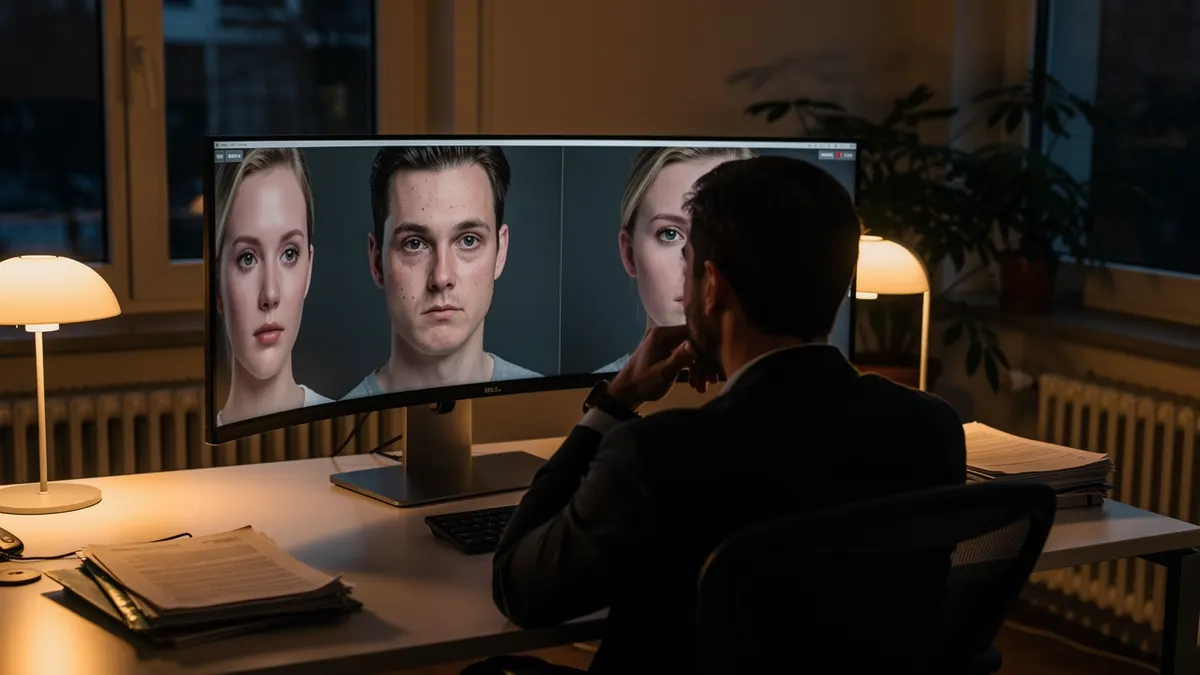
Content showing a generated person or voice, or presenting as real a testimonial that is not, must be identifiable as such by the audience.
It is not only an ethical question: information obligations on generated content are tightening, and they add to the existing advertising obligations.
The working rule is simple: if a viewer could believe they are watching a real person speaking of their own experience, they must be told. The exact arrangements are checked with a lawyer before publication.
What generation handles today
Four uses, all solid and with no particular risk.
Cutaways and backgrounds: a texture, a city, a sky, a neutral interior.
The language versions of on-screen text, rewritten rather than translated word for word.
Format variants from the same edit.
And mock-ups: showing a client what a video would look like before producing it, which saves an entire round trip.
What it cannot sell
Three things, and they are exactly the ones that sell.
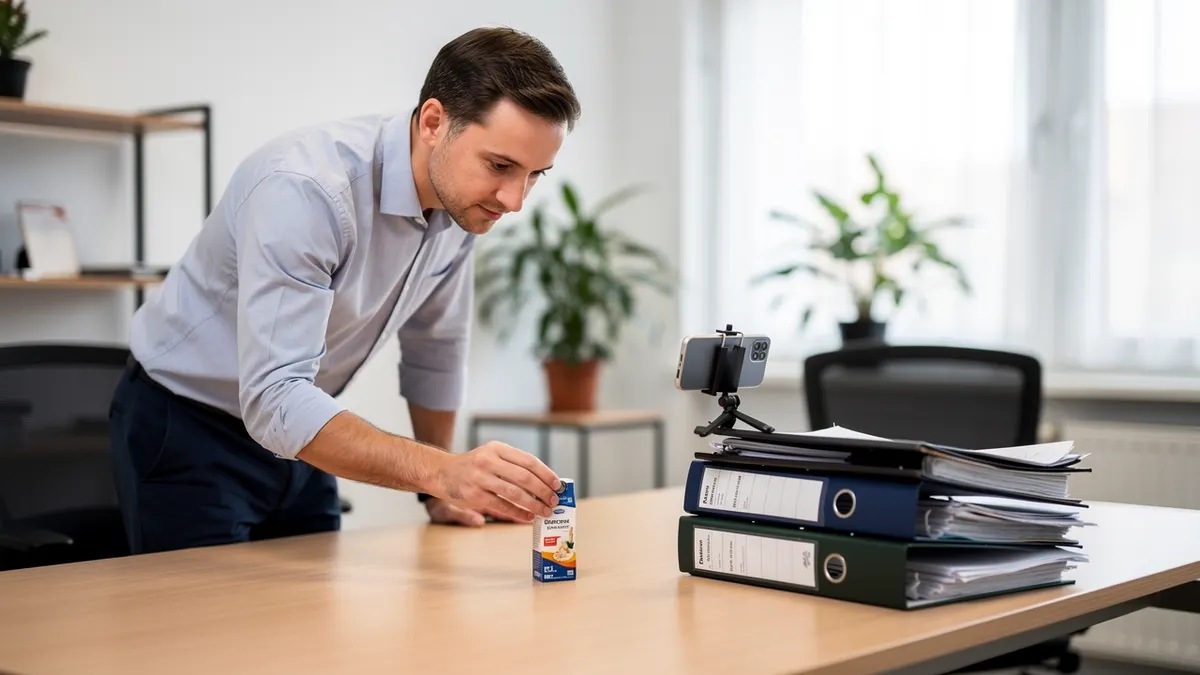
The real use of a product: a hesitating hand, an object resisting, a texture behaving as it behaves.
The testimonial: a personal experience is credible only if it happened.
And the local context: a kitchen, a street, a light, an accent the audience recognises as its own.
A generated image can be beautiful. It cannot be proof.
The combination that works
It is the most profitable model, and it is simple.
The creator films the demonstration, the voice and the context. Generation produces the cutaways, the backgrounds, the graphics and the extra versions.
You then get the best of both: real proof, and a very low cost of variants.
Add a rule: what is generated must never be presented as filmed, and what is filmed must never be altered to the point of changing what it shows.
The decision criterion
One question is enough, asked before every production.
Does this video have to prove something, or only to illustrate something?
If it has to prove, it takes a person, a product and a real take.
If it has to illustrate, generation does the job, faster and cheaper.
What each option can and cannot do
| Criterion | Generated video | Real creator |
|---|---|---|
| The real product on screen | Impossible | Filmed in hand |
| Proof of use | None | The gesture seen |
| Lead time | Immediate | A few days |
What must be disclosed when an image is generated
The use of synthetic content, as soon as it could be taken for a real scene. The rule is strict and moving fast, to be confirmed with a lawyer.
What cannot be replaced
A testimonial. A person saying why they chose a product stakes their word; a generated voice stakes nobody's, and the buyer senses it before knowing it.
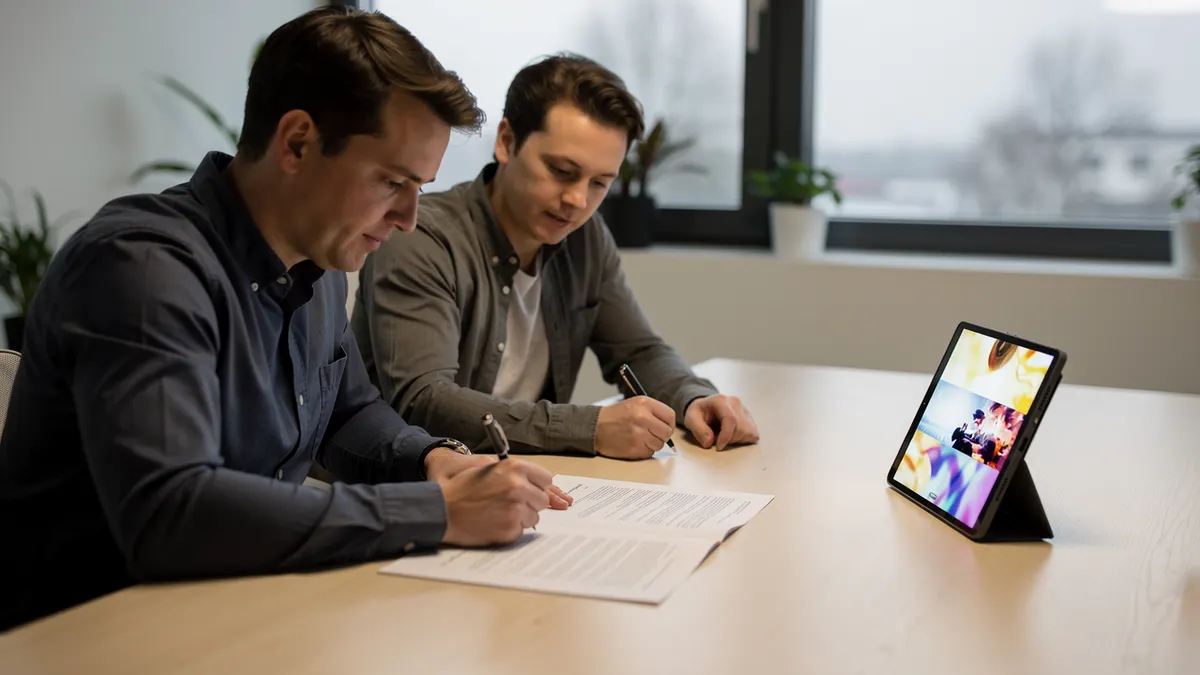
What to write into the contract
Four lines, whatever the share of generation.
What is filmed and what is generated, described explicitly.
The agreement of the person whose image or voice is used, with the duration and the media.
The prohibition on reusing the elements to train or generate something else, unless separately agreed.
And the obligation to display the information on the generated nature, with the person responsible for it.
Those four lines fit into one paragraph, and they avoid the most unpleasant conversation in this category: the one starting six months later, when somebody discovers their face in a campaign they never shot.