What automatic generation already does well, what it cannot sell, the transparency question, and how to combine the two.
What automatic generation already does very well
Four uses, and they save time without risking anything.
Hook variants: producing ten different openings from a base actually filmed.
Subtitles, translations and short versions, which used to cost an hour each.
Neutral settings and backgrounds, for a product filmed against a plain backdrop.
And voice-over on product sequences with nobody on screen, when the brand holds the necessary rights.
What it cannot sell
Three things, and they are exactly what this kind of video is bought for.
Experience: nobody can tell of a use that never happened, and the audience hears the difference before it can explain it.
The accident: the hand that slips, the product that resists, the moment when it does not work first time. That is what makes a demonstration credible, and it is precisely what smooth generation removes.
And the real place: a kitchen with things lying around, a street with its noise, imperfect light. A background that is too clean is spotted immediately on this market.
The transparency question
Two principles, and they hold whatever the applicable regulation.
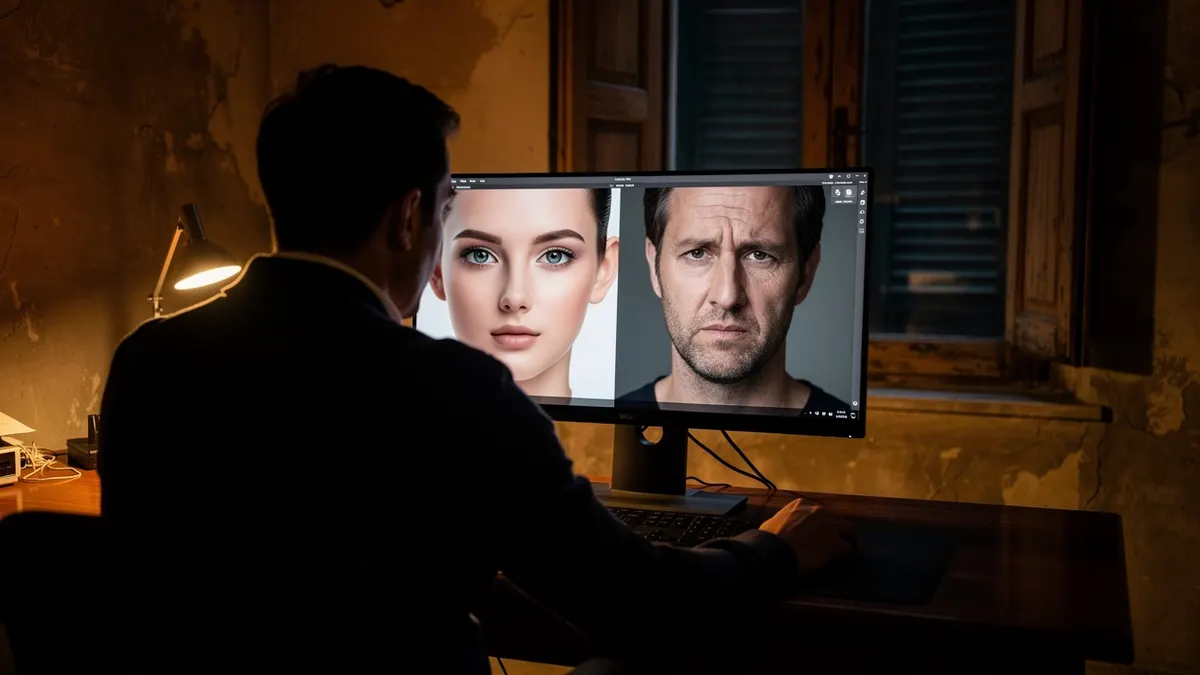
Never present a generated person as a real customer: that is the one use that really exposes you, because it turns a production into a false recommendation.
And flag what has to be flagged, according to the medium and the nature of the content. Information obligations evolve, depend on the medium and the type of image, and are checked with a lawyer before publication.
One simple internal rule, useful even with no obligation: if your team hesitates to say how an image was made, then the video should not be published as it is.
How to combine them without losing trust
A split that works, and it is decided in the brief.
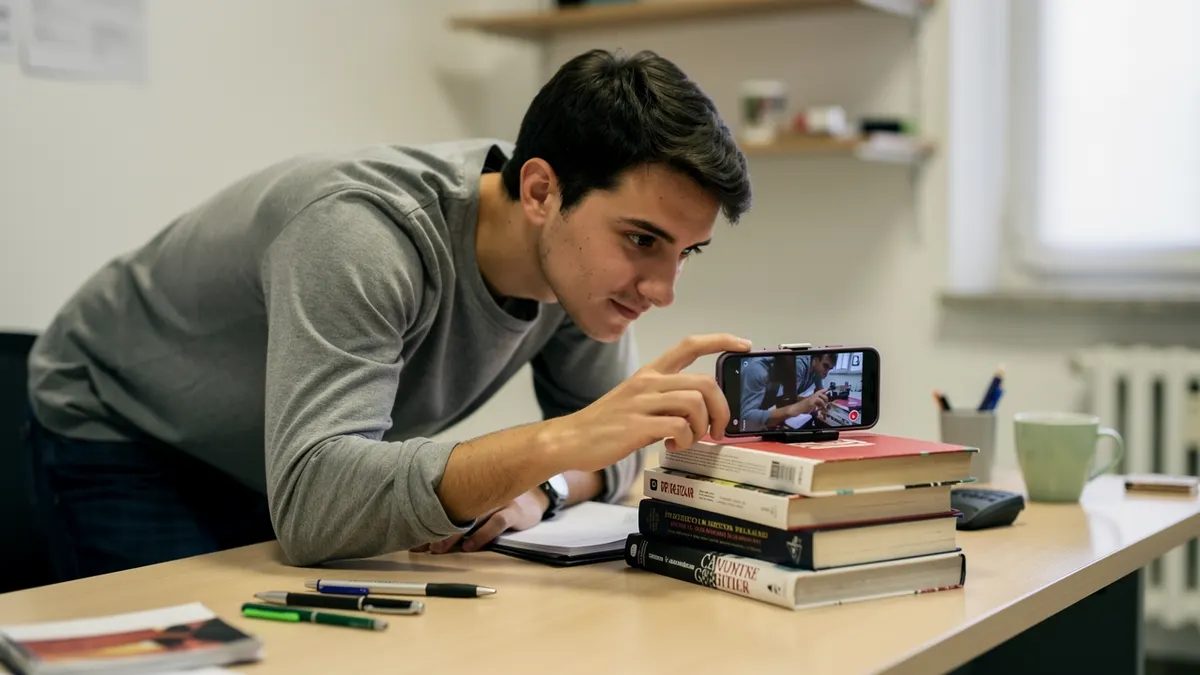
The testimonial, the demonstration and anything committing an experience: filmed by a real person.
The variants, the formats, the translations and the graphics: produced automatically from that base.
Two safeguards. Never alter a real person's face or voice without their written agreement. And never fabricate a sentence they did not say, even one whose meaning they would approve.
What each option can show
| Criterion | Generated video | Real creator |
|---|---|---|
| The real product on screen | Impossible | Filmed in hand |
| Proof of use | None | The gesture seen |
| Lead time | Immediate | A few days |
| Legal risk | High if undisclosed | Low |
What must be disclosed when an image is generated
The use of synthetic content, as soon as it could pass for a real scene. The rules move fast and differ by platform, to be confirmed with a lawyer.
What cannot be replaced
A testimonial. A person explaining why they chose a product stakes their word; a generated voice stakes nobody's, and the buyer feels it.
The decisive criterion
One question, asked before every production, and it settles matters better than any cost comparison.
Does this video have to prove something, or only to show something.
If it has to show, automatic generation does the job for a fraction of the price.
If it has to prove, you need a real person, a real product and a real place, otherwise you are paying for an image that convinces nobody and that, if challenged, rests on nothing.