Eight months later the footage is still running, with somebody else's voice over it, in a language you do not speak. Nobody stole anything. You sent the rushes.
Three reasons for asking, and only one concerns quality
They want the other language
That is the most frequent reason in Belgium, and it is rarely stated. The market is multilingual: the same video has to exist in Dutch and in French, sometimes in English. With your rushes, an agency replaces your voice, rewrites the on-screen text and releases a version you have never seen. Your hands, your kitchen, your product, and somebody else speaking.
They want to keep editing when you are no longer there
The aim is to make new videos without booking you again. Three different edits from a single session, formats adapted over the months, a campaign continuing long after your invoice. That is not illegitimate, it is simply a different product from the one you sold.
They genuinely need something specific
That reason exists and it is legitimate: a shot cut too early, a missing second, a badly framed logo. It is recognised immediately, because it is precise. Nobody asks for all the rushes, they ask for that shot.
The edit is what you were paid for
Six things the client bought, which the rushes bypass.
The choice of shots, which is half the work.
The pacing, which decides retention and therefore the result.
The hook, chosen among several takes and rarely the first.
The worked sound, cleaned and set under the picture.
The subtitles, written and positioned.
And the order of the sequences, which builds the story and which nobody notices when it is right.
What your rushes actually contain
Six things that leave your home with the folder, and that people forget to count.
Every failed take, including those where you correct yourself.
Your voice on sentences you would not have kept.
Your home from angles you had not planned to show.
The people present off camera, sometimes audible.
The files' metadata, including date and sometimes place.
And your working method, meaning part of what makes your value.
Saying yes properly
Seven conditions to set, all simple and all normal.
A written use: what for, and on which media.
A duration, with an end date.
A price separate from the production price.
A ban on re-releasing unused takes without your agreement.
An obligation to inform you before a version in another language.
The retention of your right to show the original edit in your portfolio.
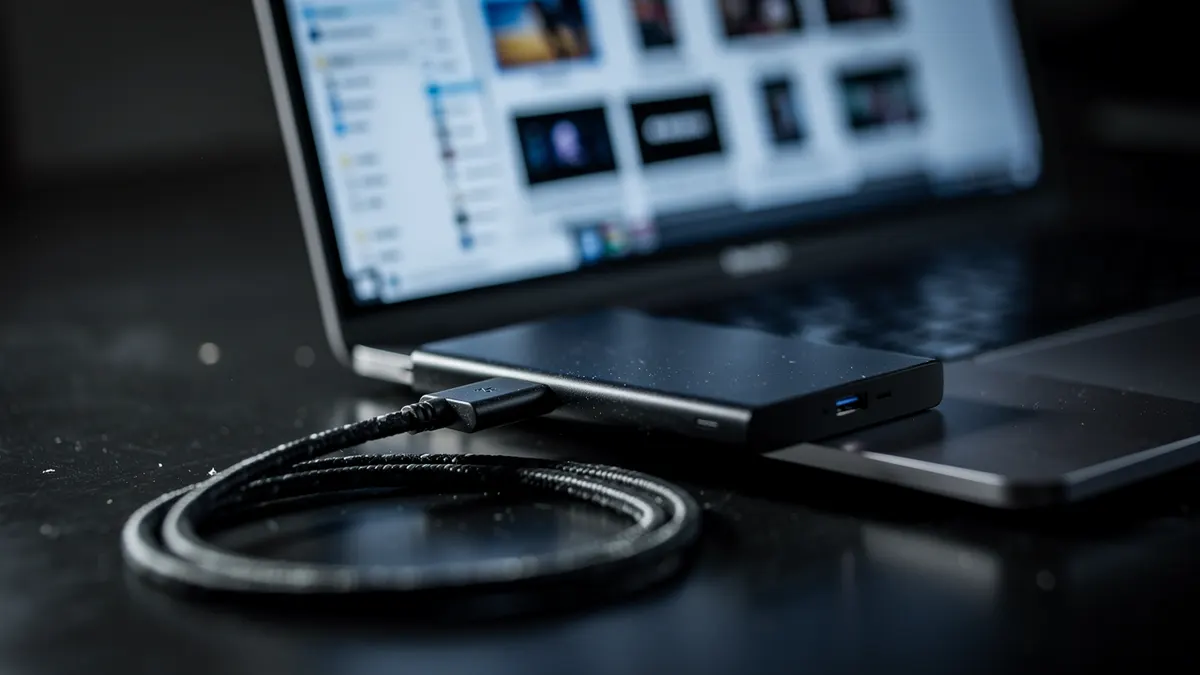
And delivery of the useful files only, not the whole memory card.
What goes on the quote
Seven lines that make the request priceable instead of free.
Sorting and cleaning the files, which takes real time.
Transfer and storage, which also cost.
The licence to use the sources, separate from the licence on the edit.
The duration requested, which changes the amount.
The right to create derivative versions, including in another language.
Paid advertising use, distinct from use on the brand's own accounts.
And a renewal clause priced now, rather than a renegotiation in a year.
How to put it in one sentence
Five formulations that work, without closing the door.
The source files are not included in the production, but I can grant them for that use and that duration.
I will gladly send the exact shot you need, tell me which one.
If the aim is a Dutch version, I can shoot it, which will be faster than re-editing the rushes.
Here is the price for the sources, and here is the price for a new session, whichever suits you.
And I keep the files for six months, so nothing is lost if you decide later.
What each type of delivery covers
| What is delivered | What the brand can do with it | What it costs |
|---|---|---|
| The final edit | Run it as is | The base rate |
| The source files | Re-cut, recrop, reuse | A supplement |
| Every take | Everything, including what was rejected | Rarely justified |
Why rejected takes are a problem
They contain errors, hesitations, sometimes out-of-context remarks. Once handed over, they can reappear cut differently, and the creator no longer controls what is distributed under their face.
What is decided in the quote, never after
The exact scope of what is handed over, and the authorised use for each file category. A request for source files arriving after delivery is billed, not given.
Why the question is frequent in Belgium
Five features of the local market.
Bilingualism, which mechanically doubles the need for versions, dealt with above.
The size of the country, which pushes brands to reuse rather than reproduce.
The proximity of several neighbouring markets, where the same campaign circulates.
The weight of agencies, which have in-house editors and know what to do with sources.
And the habit of tight budgets, which makes the request for rushes more frequent than elsewhere.
One last marker: refusing is not necessary, and often not desirable. What is necessary is that the request be handled as what it is, a separate order, with a written use, a duration and a price. This general information does not replace a lawyer's advice, and as soon as the amount becomes significant, professional review costs less than eight months of distribution you never sold.