The first client does not come from a platform: they come from a message sent to a company that is already selling, at the moment when it has time to read it.
Who to write to first
Five families of companies answer faster than the others.
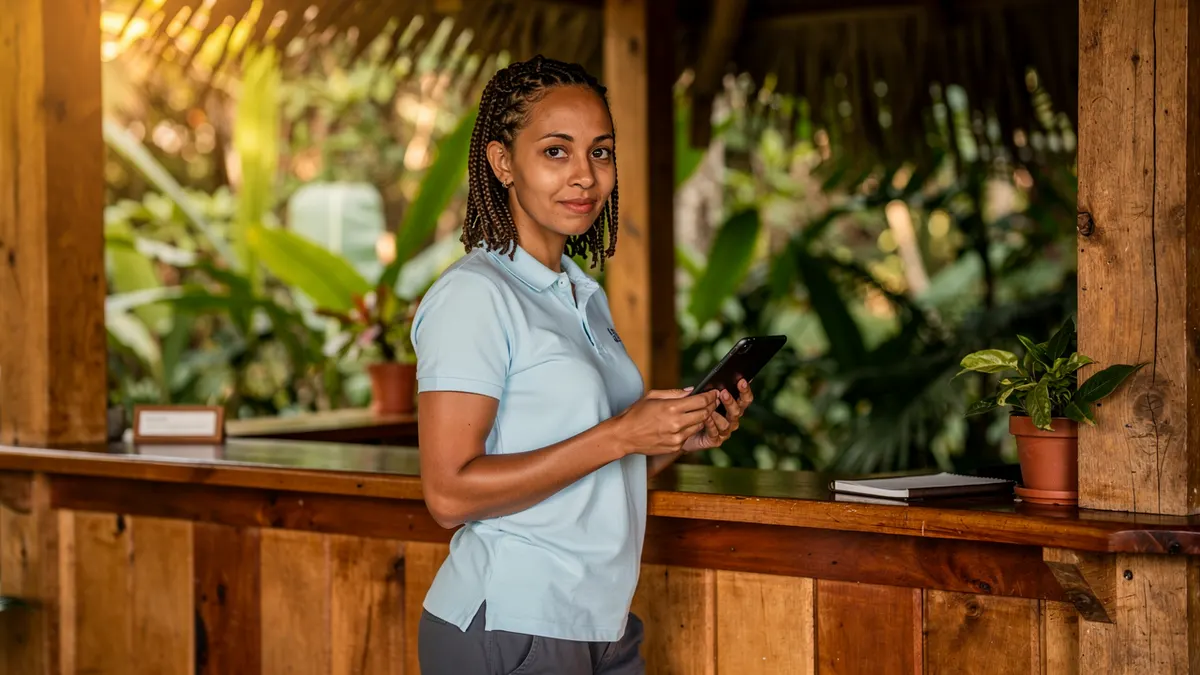
Small hotels and boutique properties
They need images all year, change season twice, and the decision is taken with the person who runs the place.
Tour operators and surf schools
They sell an experience that films well, and their competitors are already publishing.
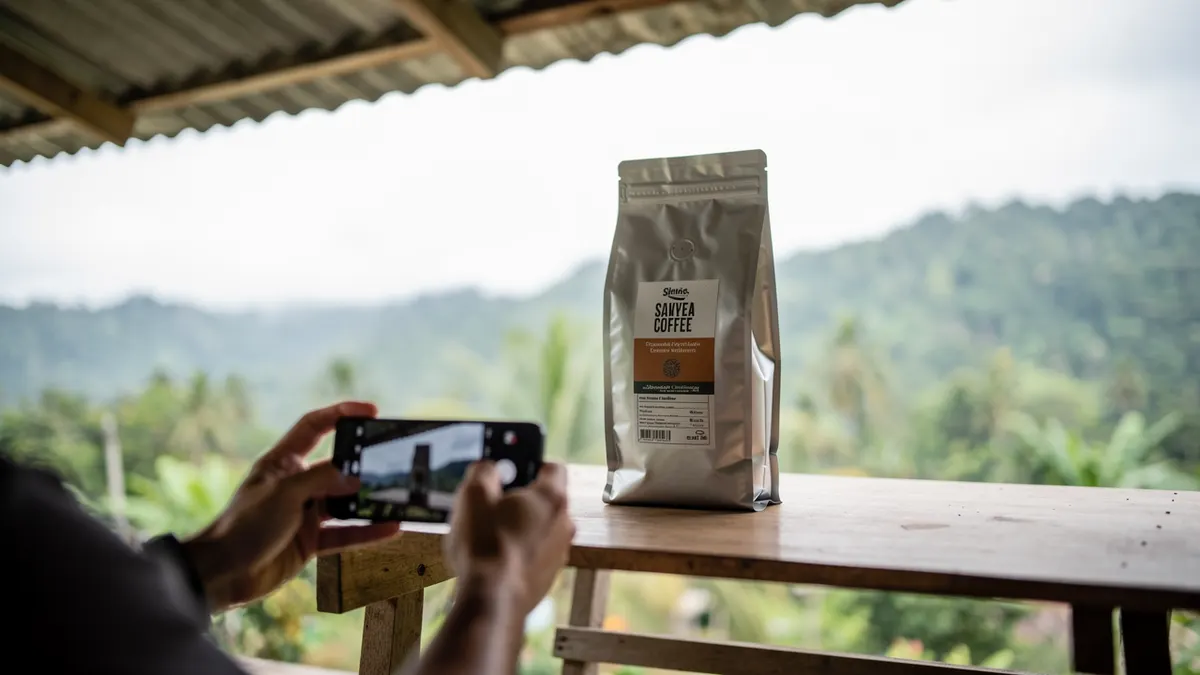
Coffee, cocoa and natural cosmetics brands
They export, they need video for their listings and for their distributors, and they pay better than the local average.
Restaurants and ambitious canteens
The need is permanent and the decision is immediate.
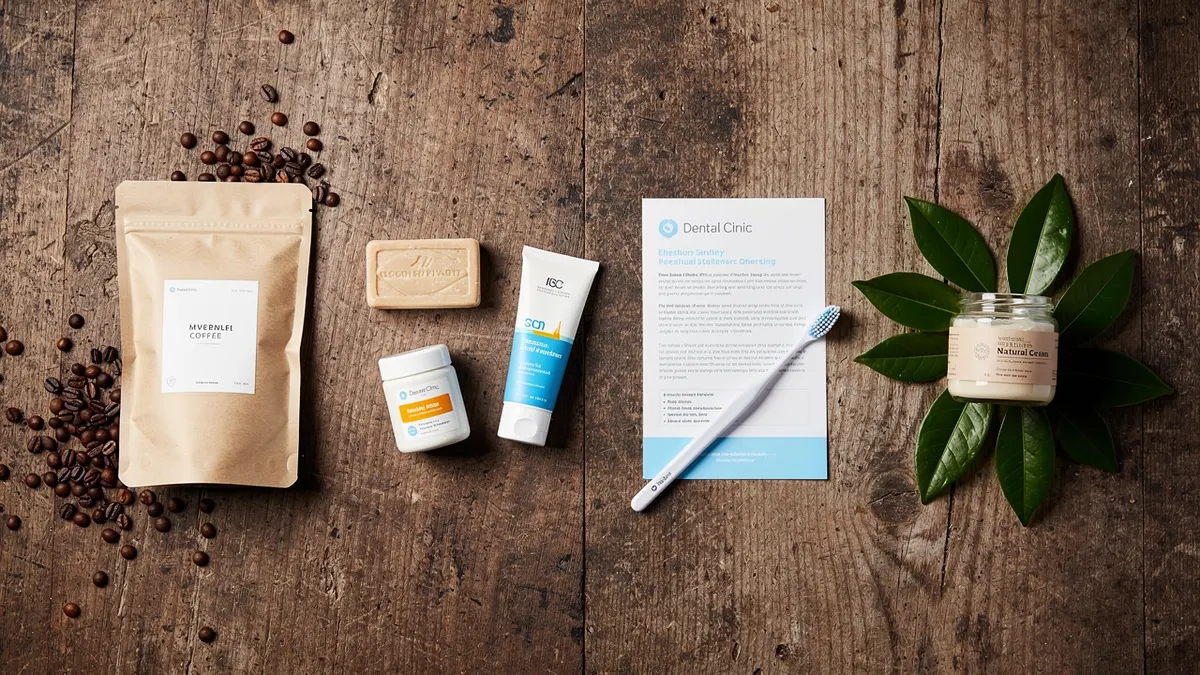
Dental and wellbeing clinics
They partly address a clientele coming from abroad, which changes the budget and the level of expectation.
What to have before writing
Three elements, not one more.
Two example videos, shot on products or places you know.
A written rate, with what is included and what is not.
And a way of being reached that works even on a poor connection: a number, not only a profile.
The message that works
Four lines, sent on the channel the company actually uses, which is most often messaging.
The first names something precise: the room, the dish, the package, the product seen on their page.
The second proposes a concrete idea, with the format and the length.
The third gives the price and the lead time.
The fourth links to two examples.
No personal introduction, no history.
The time of year counts more than elsewhere
That is the local particularity, and it can be planned.
During high season, companies are running flat out and have no time to decide. During the quiet season, the same people have time, prepare the following year and read their messages.
So write when they are available, and offer to shoot when their place looks its best. Those are rarely the same weeks, and that is exactly what makes the arrangement useful to them.
The English lever
It doubles the number of accessible clients.
A company addressing a foreign clientele needs two versions, and rarely knows where to have them produced.
So systematically offer the second version, recorded separately and not subtitled, with a distinct price. It is the most often accepted option, and the one that sets you apart immediately.
What fills an empty diary, in order
| Action | What it produces | Rhythm |
|---|---|---|
| Ten targeted messages | One or two replies | Every week |
| One platform application | A possible order | Every working day |
| A reminder to brands already contacted | A late reply | Every three months |
What is prepared before writing
One sample filmed in the target category, a price, an availability date. Without those three, every reply received costs one more exchange.
What turns a first client into a second
Deliver a day early, add one extra format at no charge, and ask in a single sentence what could be improved.
The offer that unlocks the first yes
Only one, written in two lines.
A first video at a reduced price, with a clear condition: if the result suits, the rest is done at the normal rate, on a batch of three.
It is not free work and it is not a permanent discount: it is a framed trial, with a planned exit.
Finally add the question that avoids every misunderstanding: ask in the first exchange how the company pays its suppliers, and check with an accountant what your own situation requires.
Sources
Checked on 4 September 2026. Thresholds and rates change: where this guide and the official source disagree, the official source is right.