In a market of this size, the question is not which niche appeals to you. It is how many clients it actually contains.
What changes here compared with a large market
Two differences, and they pull in opposite directions.
The number of brands is limited, which makes a too-narrow niche dangerous. On the other hand, the number of creators is limited too, which makes a properly chosen niche far more profitable than elsewhere: you quickly become the person called for that subject.
The second difference is export: part of the demand comes from brands selling outside the country and paying in another currency. That share changes the calculation entirely.
The sectors that actually pay
They have three things in common.
A regular buying cycle, not tied only to the high season. A need for demonstration, not only for image. And a foreign or visiting audience, which pays better.
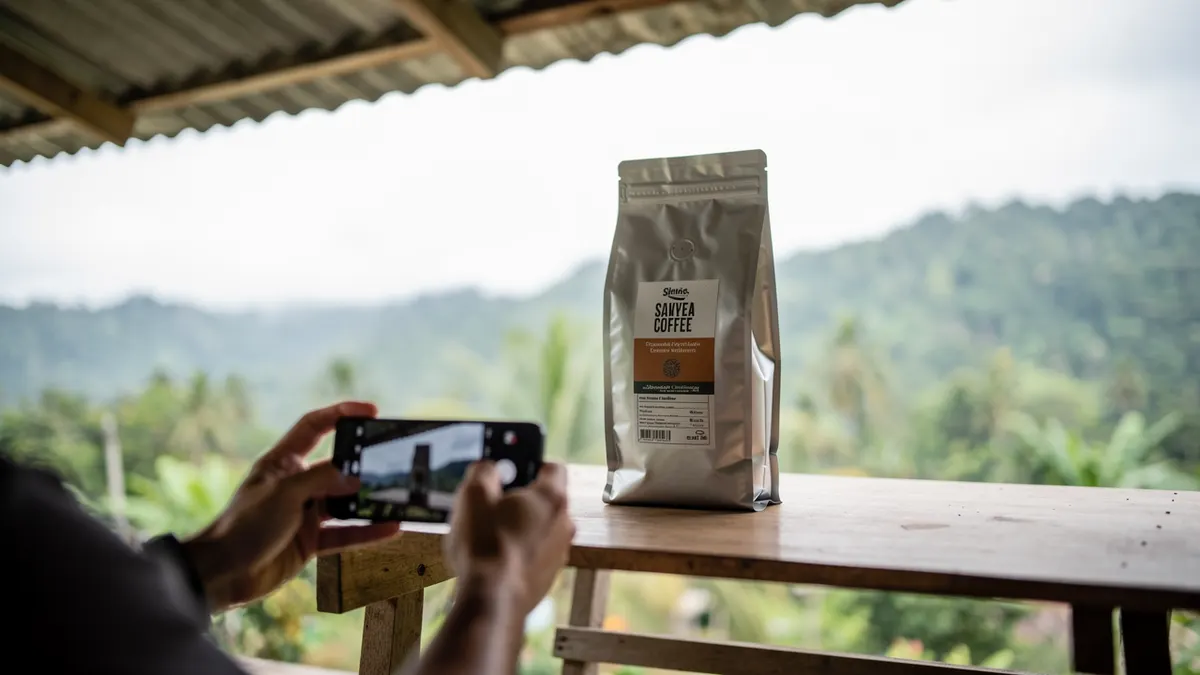
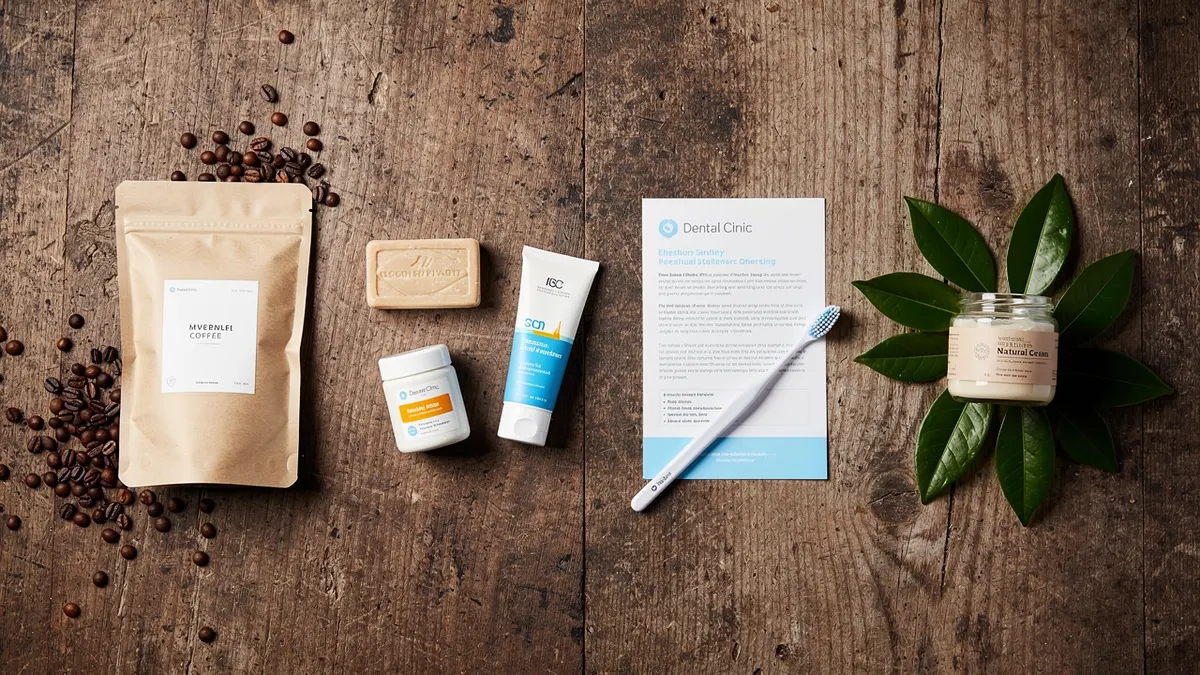
That describes: tourism and accommodation, coffee and export food, natural cosmetics, crafts, property, health and medical tourism, outdoor equipment and gear that has to withstand humidity.
Those that pay less
Those where video is a decorative extra.
When the brand buys no advertising, when the product sells on a photograph, or when the buying decision is made once every five years, creator content has no clear economic role, and the price shows it.
So check, before specialising: are those brands already running advertising, several times a month?
How to choose yours
Three questions, after the count.
Do you have real access? Do you already own the products, do you know people in the sector, can you film without buying anything?
Can you deliver in two languages? In this market English is not a bonus, it is what opens the better-paid half of the demand.
And will you last a year? That question eliminates more niches than the other two together.
Regulated niches
They pay better, for a simple reason.
Health, food, cosmetics, medical tourism: a wording mistake costs the brand dearly there, so it pays not to make one. What it is buying is your discipline as much as your images.
The rule there is always the same: the permitted wording comes from the brand's approved documentation, and the regulatory points are checked with the competent authority and with a lawyer before the shoot, taking the destination market into account when the content goes for export.
How to test a niche without losing time
Six steps over two weeks.
Shoot a single sample for the category.
Pick ten brands of the same kind.
Send them all the same proposal.
Note the answer rate.
Write down the most frequent question that comes back.
And decide afterwards whether to continue.
Three niches compared on the same criteria
| Criterion | What you look at | Good sign |
|---|---|---|
| Number of brands | On a platform and in town | More than twenty |
| Campaign rhythm | Over twelve months | Continuous, not one season |
| Wording constraints | On a product page | Few mandatory notices |
What can be tested in a fortnight
One sample, ten contacts, the reply rate and the recurring question.
What makes you change niche
No reply at all, only product-for-content offers, or an approval that drags for weeks.
How to announce it and how to change
By showing, and by keeping two versions.
Three videos from the same sector at the top of the portfolio, an English version and a local version, and a dated availability line. That is enough.
And remember to redo the initial count once a year: a market of this size moves fast, and a niche that held thirty brands may hold fifty two years later, or fifteen.