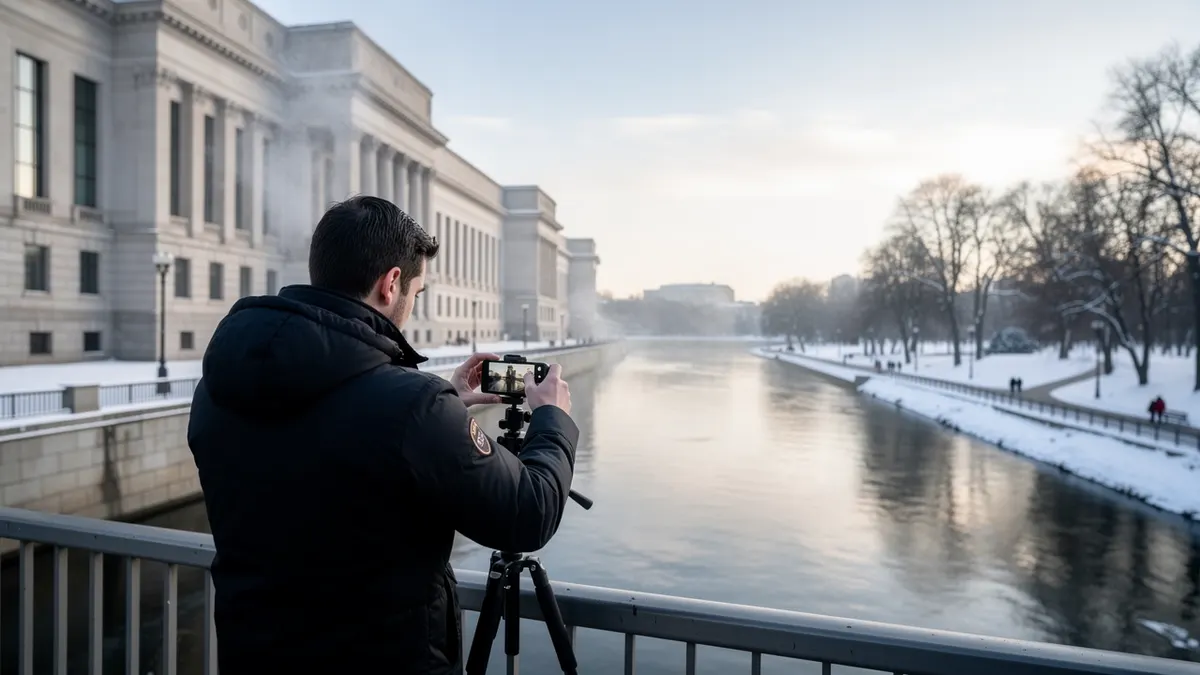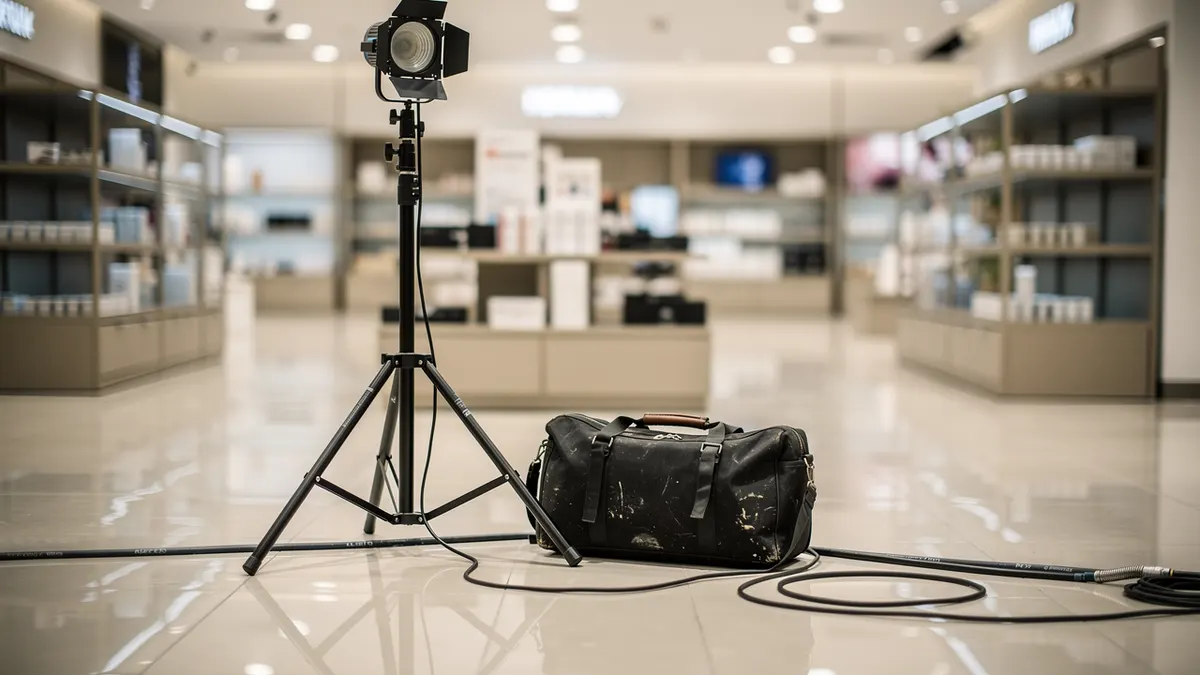
When a client starts asking for a certificate, what standard policies cover, and what filming at somebody else's place implies.
Why the request appears
Four situations that trigger a request for a certificate.
A shoot in premises belonging to the client or a third party, where the owner demands proof of cover.
A framework agreement with a large company whose internal rules impose it on all suppliers.
An agency passing on its own client's requirements to its providers.
And a shoot involving the public, extras or borrowed equipment.
One note: the request does not mean you are under suspicion. It means the legal department applies the same procedure to everybody, and that no exception will be made.
What general liability covers
Five typical situations.
Material damage caused to a third party during a shoot.
Bodily injury occurring within your activity.
Damage caused in rented or borrowed premises.
The defence costs associated with a covered claim.
And, depending on the policy, certain damage caused by the equipment used.
What it does not cover: the content itself, its claims and its rights, dealt with below.
Errors and omissions is another matter
Four risks falling under that second cover.
Infringement of a third party's rights: music, image, visible trademark, filmed work.
A statement judged misleading in the delivered content.
An invasion of privacy or of the image rights of a filmed person.
And a contractual failure, such as a non-compliant delivery that caused harm.
One practical consequence: it is that cover, not general liability, that answers the risk described in the warning above. Many creators take out the first believing they are protected against the second.
Equipment cover is yet another matter
Three useful clarifications.
Home insurance rarely covers equipment used for professional purposes, even at home.
Equipment transported or used at a client's premises generally falls under a specific guarantee.
And rented or borrowed equipment supposes a distinct cover, often demanded by the hire company.
One simple check: ask your insurer in writing whether your camera, your microphone and your computer are covered when used for paid work. A written answer is worth more than an assumption.
The three risks of a shoot
| Risk | A concrete example | What generally covers it |
|---|---|---|
| Damage caused to a third party | A tripod knocked over at a client's | A liability cover |
| Damage to your own gear | A dropped camera | A separate equipment cover |
| A claim linked to the content | A contested use | A specific cover, rarely included |
What is almost never covered by default
The use of the footage, rights disputes and delivery errors. Those belong to the contract, not to insurance.
What is verified before signing an insurance contract
The geographic scope, cover on third-party premises, the ceiling and the exclusions. Each is confirmed with the insurer, and the policy always prevails over the brochure.
The practical version
Five steps, in order.
Check what your current contract really covers, in writing.
Ask for a quote for professional liability suited to a video production activity.
Add errors and omissions cover if you deliver content published publicly.
Keep the certificate in a ready-to-send format, because it will be asked for one day at the last minute.
And have your standard contractual clauses reread once by a lawyer, notably the indemnity clause.
One last marker: insurance does not replace a clear contract. It steps in when something has gone wrong, whereas a well-written contract prevents most of the situations where it would become necessary.