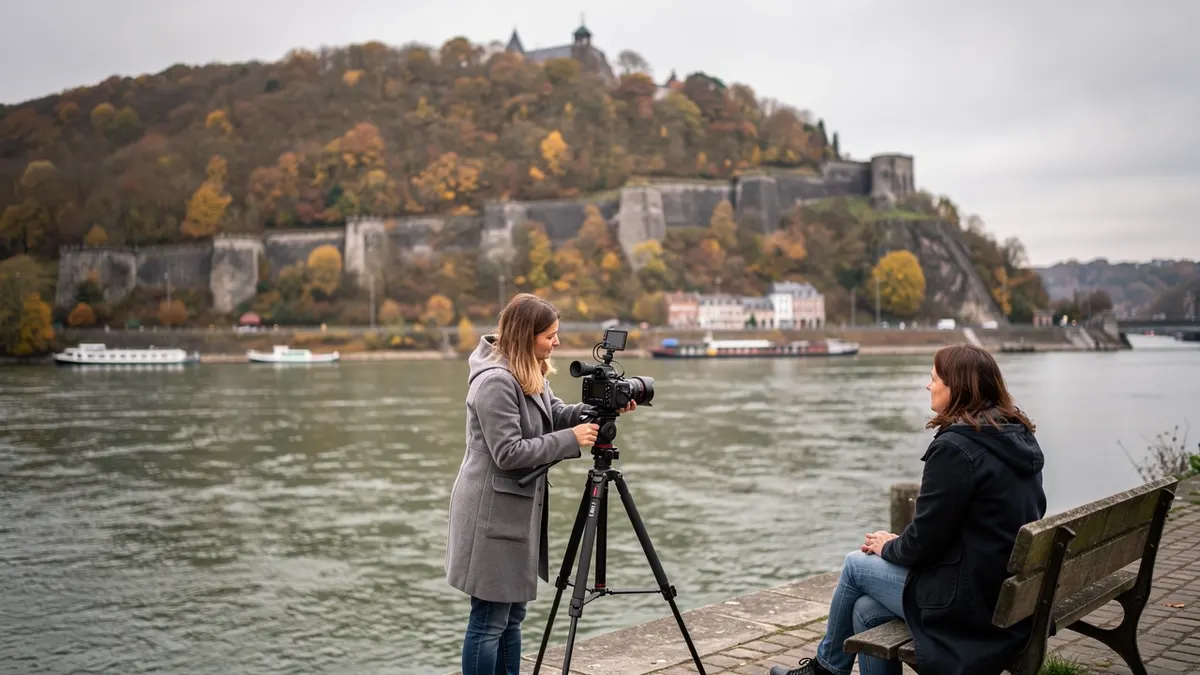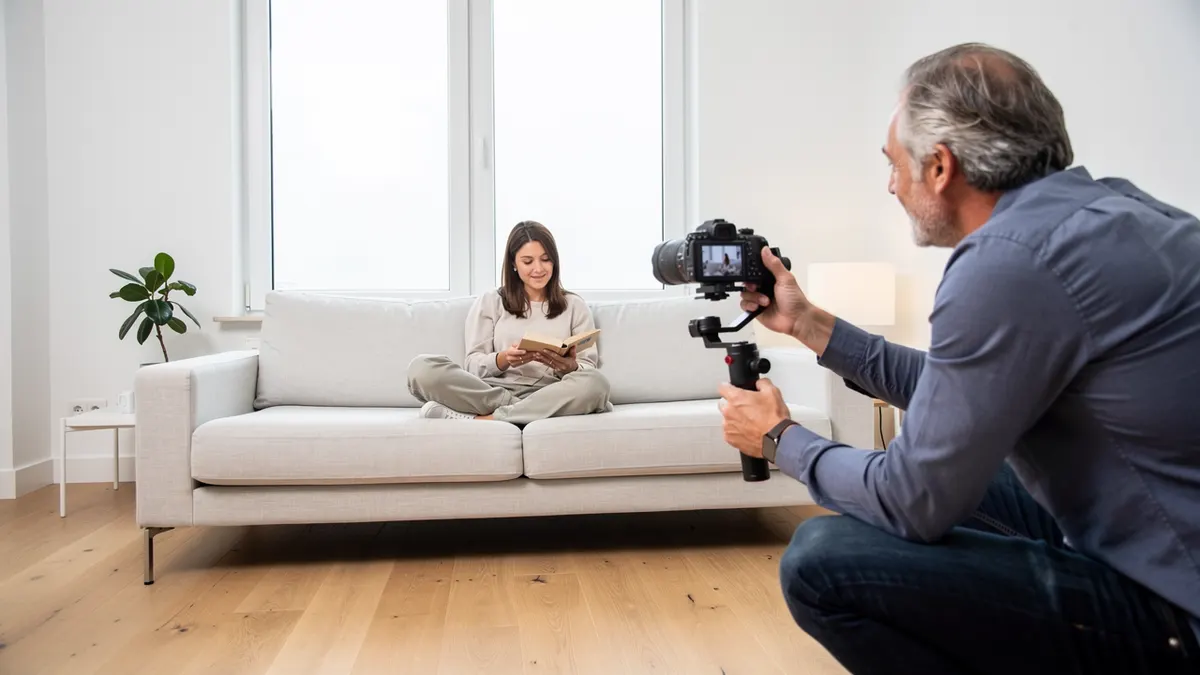
On Pinterest, creator video does not sell: it gets you into a plan that does not exist yet. That is the verdict, and it explains why brands that move their TikTok creative here get so little back. The content is not bad, it arrives at a different point in the decision.
What someone saving a pin is looking for
A person saving is not buying. They are gathering material for something they will do in a few weeks: a renovation, a dinner, a trip, a wedding, a wardrobe change.
That completely changes what the video is for. Content saying "buy it now" interrupts a planning task; content saying "this is how it looks, this is how it is done, this is what it costs" gets saved, and gets watched again the day the decision is actually made.
The consequence for the script
The video has to survive a second viewing weeks later, out of context, with the brand no longer present in the viewer's memory.
In practice: no references to a running promotion, no "as I told you yesterday", nothing that depends on a moment. The piece has to explain itself on the day somebody finds it again on their board.
The calendar offset
Here is the most expensive operational mistake, and it has nothing to do with creative. Planning activity runs ahead of the event, so a campaign published when the season starts arrives late.
For a Spanish brand the consequence is concrete and it affects the whole production calendar:
| Season | When planning starts | When to shoot |
|---|---|---|
| Summer | Spring | March and April |
| Christmas | Early autumn | September and October |
| Sales | Before the previous season ends | November, for January |
The third row breaks the most plans, because it forces sale content to be produced while the team is still running the previous campaign. The first two, by contrast, only require accepting an out-of-season set.
What that forces you to decide early
If the brand wants to be present when people plan, it has to accept shooting out of season. That means sets, clothes and light that do not match the day of the shoot, and it has to be in the brief, not announced on the shooting day.
What works on video here
The format is vertical and silent by default: it is seen without sound, on a board, among other still images. That condition governs everything else.
The complete, short process. Beginning to end, with no cut hiding a step. This is what gets saved to be repeated.
The result before the process. The first frame shows where you end up, because that decides whether anyone stops.
On-screen text as the main voice. Legible, high in the frame, with the full sentence rather than a loose word.
A locked shot over movement. A camera on a tripod reads better in a grid than a moving shot.
The usual objection
"We already post vertical video, we will reuse it and be done." You can, and it will underperform. A video built for sound loses half its information when watched silently, and a video whose first frame is a talking face tells a planner nothing about what they will get.
The second objection is different: that there is less audience here than on other networks. That can be true and still be beside the point. What you buy on this surface is not reach, it is presence at the moment somebody decides what they are going to do, and that moment cannot be bought later.
The pin leads to a page, and that page decides the outcome
A pin is not a post closed on itself: it carries a destination. That is the most practical difference with the other vertical surfaces, and the one most brands waste by sending all the traffic to the shop's home page.
Somebody arriving from a recipe video expects that recipe, not the whole catalogue. When the destination does not continue what the video promised, the visitor leaves, and the production work is lost in the last metre.
What has to be ready on the website side
The landing page has to exist before the pin is published, show what the video showed, and let the visitor continue from there. If the brand has no such page, the pin still works for saving, but it stops working for selling.
Rich Pins also sync information from the page itself, such as price or availability, so what shows on the board stops going out of date on its own.
How it is measured, and why it takes time
The indicators that matter here are not the feed's. How often a pin is saved is worth more than how often it is played, because saving is the real signal of intent.
And the reading arrives late on purpose. A pin published in March may produce its heaviest click volume in June, when people execute what they were planning. Judging performance after seven days is the fastest way to cancel something that was working.
A reasonable window for judgement
For a seasonal campaign, the honest comparison is year on year, or at minimum across the full planning period. Inside that window you look at saves first and outbound clicks second, in that order.
Which Spanish brands it is worth it for
This deserves saying plainly, because not every brand wins here. The surface rewards categories where the decision is prepared: home and decoration, furniture, cooking and recipes, weddings and celebrations, seasonal fashion, garden and terrace, travel.
Outside those categories the effort returns little. A product bought on impulse, or whose decision is not planned, does not find the moment it needs here, and the brand does better putting that budget on another surface.
The in-between case
There is a grey zone that does work: products that are not planned but appear inside something that is. A small appliance inside a recipe, a garment inside a wedding-guest look, a tool inside a renovation. The brand is not competing for the intent, it is leaning on the project's.
Sources
- Pinterest, create a Pin from an image or a video
- Pinterest, create Rich Pins
- Pinterest Business, creative best practices
- Pinterest Business Spain
Checked on 8 September 2026. Where this guide and the official documentation disagree, the documentation prevails.