A cork bag, a hand-thrown bowl, a painted tile. Everyone who picks one up in a shop in Lisbon buys it within a minute, and the same object sits unsold on a website for a year.
Nothing is wrong with the photography. The problem is that the argument for the object lives in the hand, and a photograph has no hand. Video is the only substitute available, and it only works if you record the right thing.
What the screen takes away
Touch carries three pieces of information at once, and each one has a visual equivalent that most brands never film.
Weight, which is always a surprise
Cork is the clearest case. People expect a bag that size to be heavy and it is not, and that surprise is half the sale. It is invisible in a photo and obvious in two seconds of video: a hand lifting it with one finger, a strap dropping onto a shoulder without settling.
Sound, which nobody records
A glazed bowl set on a wooden table rings. A tile tapped with a fingernail is dense and dry. Cork makes almost no sound at all, which is its own information. Record it clean, with no music over it, and the object becomes real in a way no caption manages.
Temperature and give
Ceramic is cold and unyielding, cork is warm and slightly soft. You cannot film temperature, but you can film the consequence: a thumb pressing into cork and leaving nothing, a hand wrapped around a cup that has just been filled.
Two buyers who never meet
These brands almost always serve both, and one video cannot answer both.
The visitor is standing in the shop with the object already in their hand. They have solved the material question themselves, and what they still need is a reason it should travel home: whether it will survive a suitcase, what it is actually for, who made it. Content for them lives at the point of sale and answers logistics.
The buyer abroad has none of that. They are looking at a screen, comparing your bowl to a cheaper one from somewhere else, and the entire material argument has to be reconstructed for them. Content for them is slow, close, and quiet.
| Material | What the buyer wants to check | The shot that proves it |
|---|---|---|
| Cork | That it is lighter than it looks | Lifted with one finger, then a full bag on a shoulder |
| Ceramic | That the surface is hand made, not printed | Raking light across the glaze, edge in focus |
| Tile | That the colour has depth | Slow tilt, reflection moving over the face |
| Textile | That the weave is dense | Held against a window, then folded |
| Any of them | That it survives real use | The same piece, used, months later |
The last row costs nothing and beats everything above it. A cup with a year of coffee behind it says more about quality than any studio shot of a new one.
The heritage trap
There is a version of this video that every artisan brand ends up commissioning: sepia hands, an old wheel turning, a voiceover about tradition passed down. It is beautiful and it sells nothing.
The reason is simple. It moves the object into the past tense, where it becomes a souvenir of a disappearing craft rather than something you would use on Tuesday. Nostalgia lowers the price the buyer is willing to pay, because a keepsake is worth less than a good object.
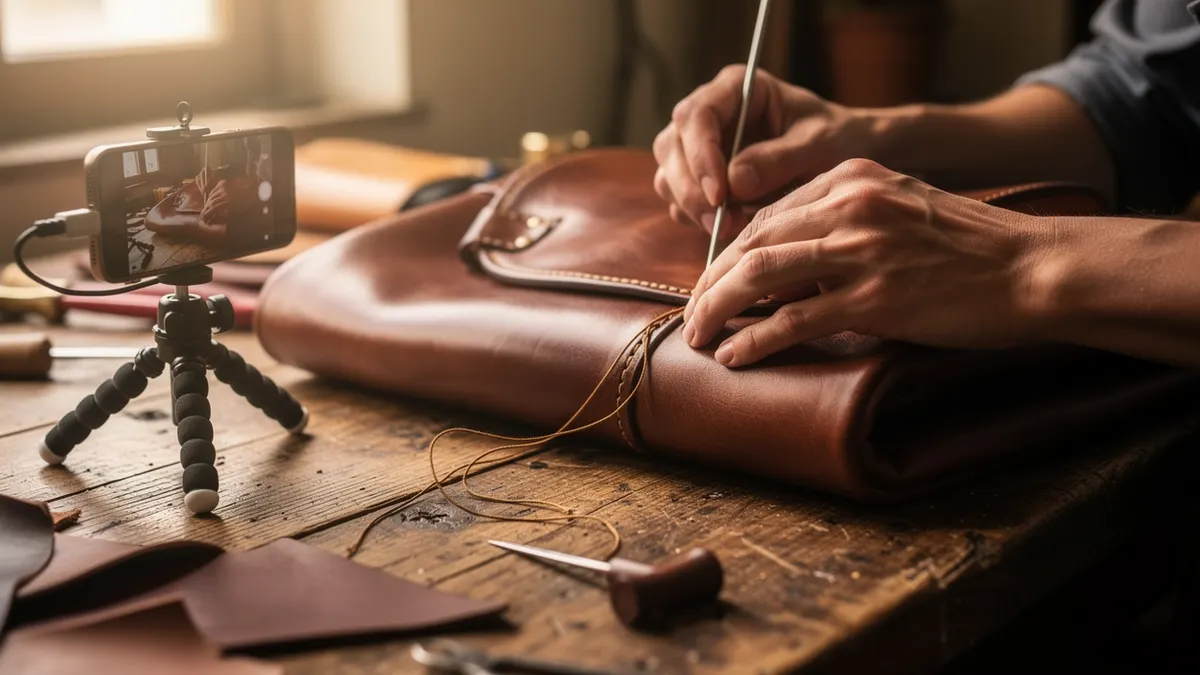
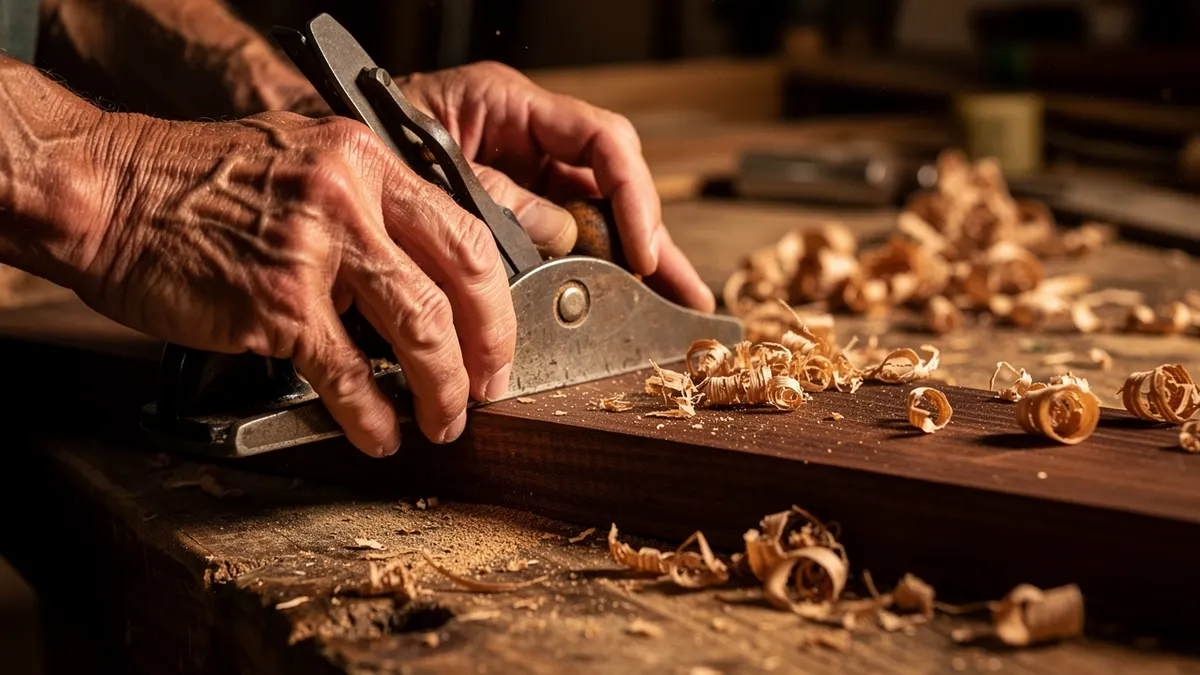
Film the making by all means, but film it as competence rather than as memory: someone very good at something, working fast, in a workshop with the lights on. The heritage is in the skill, and the skill shows without being narrated.
What to shoot once and use for three years
Most of this content does not date, which is unusual in this business. The material footage stays true for as long as the product line exists, so it is worth shooting properly once rather than repeatedly in a hurry.
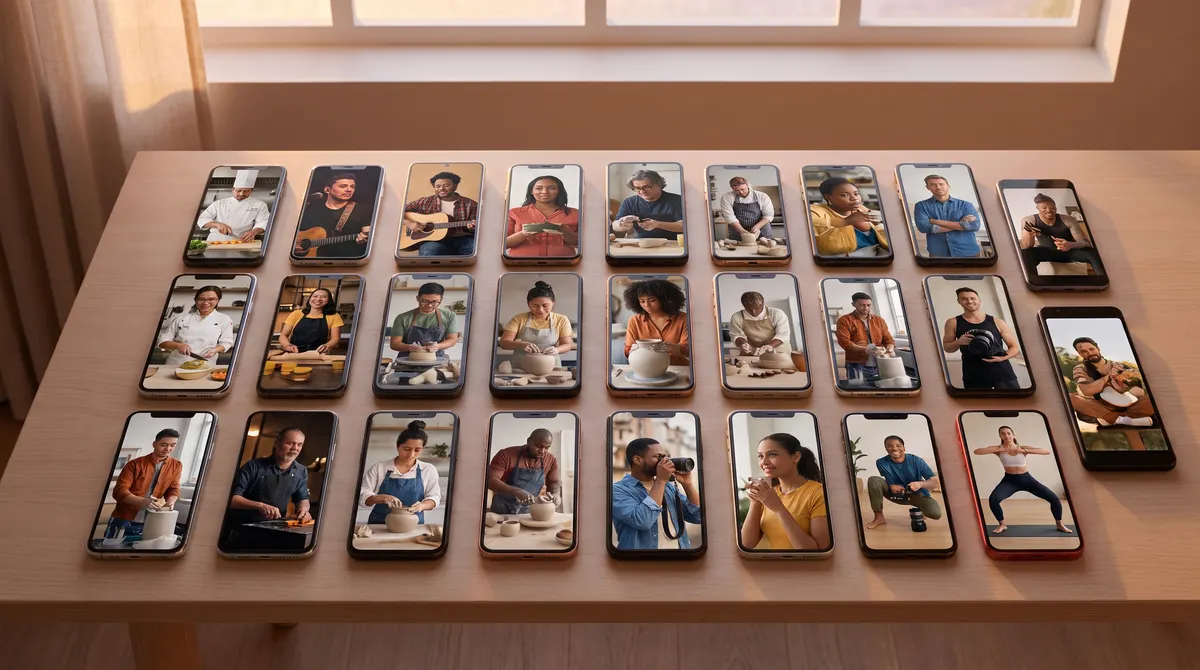
Ask a creator for the object at three distances, in daylight, with clean sound and no music, plus one hand-held sequence of the piece being used for its actual purpose. That set covers a product page, an ad, a marketplace listing and a retail pitch, and none of it expires.