On a product page, the video does not have to seduce. It has to answer, and the questions are already written under the listing.
What you buy when you pay in instalments
That is the local particularity, and it changes the message.
A large share of purchases is made in monthly instalments. The viewer's question is therefore not only "is this product right for me", it is "do I still want to be paying for this object in eight months".
Three consequences. Durability becomes a central argument, not a detail. Proof of use over time counts more than novelty. And the video must show what you keep, not what you try.
Add caution: the amount, the number of instalments and the conditions come from the seller and go out of date. They are not filmed, they are added as an overlay.
Where to place it and how long
Three simple rules.
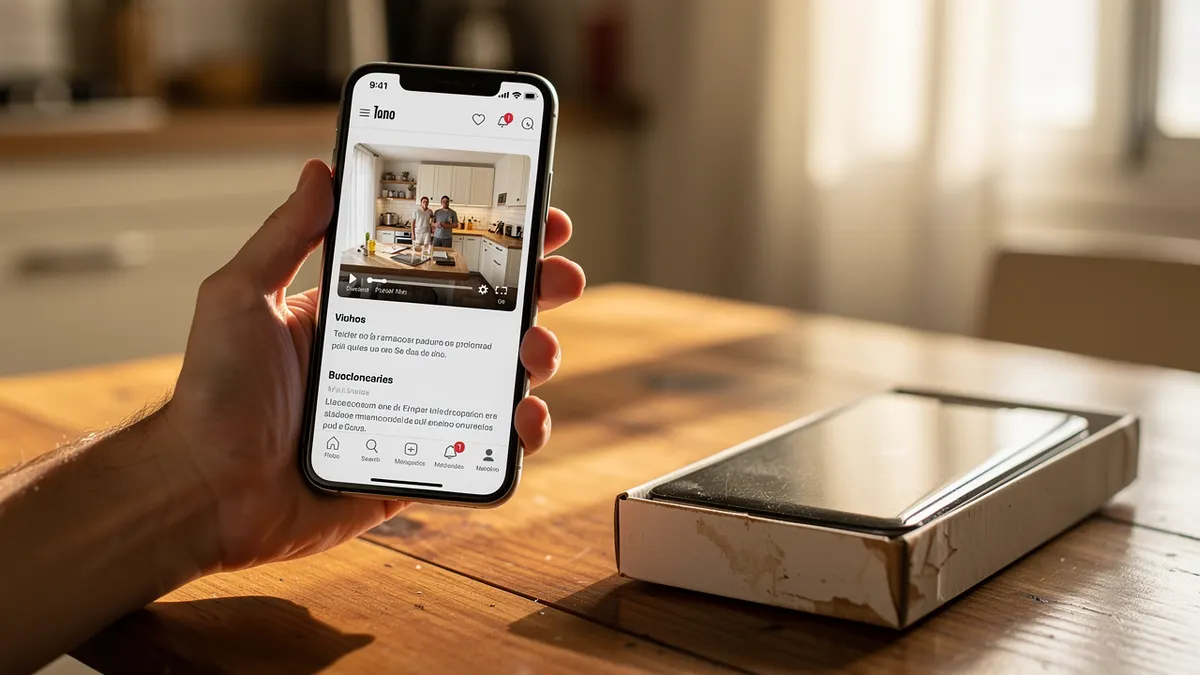
At the top of the page, visible without scrolling, with a cover image showing the product in use.
With no sound at start, in a short loop, with legible subtitles. A visitor who wants sound turns it on.
And a short length for the first video, about thirty seconds, completed further down by a long version for those still hesitating. The second is what converts large baskets.
What it must answer
Four pieces of information, in this order.
The real scale, shown with a known object or a person.
The material and the finish, filmed close up, with the sound of contact.
What is in the box, laid out flat, with what is not included.
And the timescale, said out loud, distinguishing dispatch from delivery.
Those four points cover almost all the public questions on an average listing.
The most frequent mistake
Reusing the advertising video as it is.
An advertising creative is made to attract somebody who was not looking for anything. A product-page video addresses somebody already looking and wanting to check.
The two do not resemble each other: one starts with a hook, the other starts with the information. One can be spectacular, the other must be verifiable.
Good practice is to shoot both in the same session, with the same product and the same light, then edit them differently.
What the video must say in place of the text
| Visitor's question | The shot that answers | Length |
|---|---|---|
| How big is it really | The object held in hand | 4 s |
| How is it used | The full gesture, uncut | 10 s |
| How does it feel | A close-up on the material | 5 s |
What you produce for a whole catalogue without spending a month on it
One set, a fixed frame, a twenty-second video per reference. The edit works from one identical template for all of them.
What is checked on the page before publishing
The file weight, the absence of autoplay and the presence of subtitles. A video that slows the page loses more than it convinces.
The detail that reassures
It costs nothing and nobody does it.
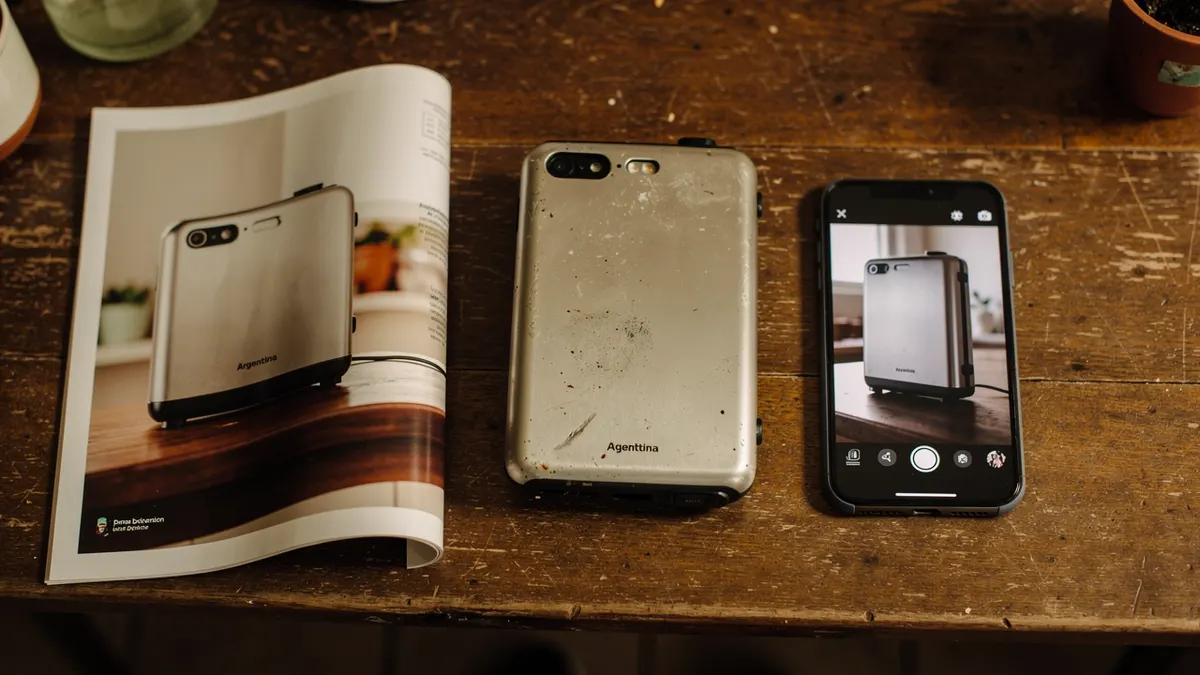
Show the product after several weeks of use, in the same video or in a second one placed just below. The object washed, put away, slightly marked, still working.
In a market where people pay in instalments, that sequence is worth every sales argument: it proves the object will still be there at the last instalment.
Finally, add what the seller does when a problem arises: exchange, spare part, repair. That is the part nobody films and everybody checks before confirming an order that commits them for a year.