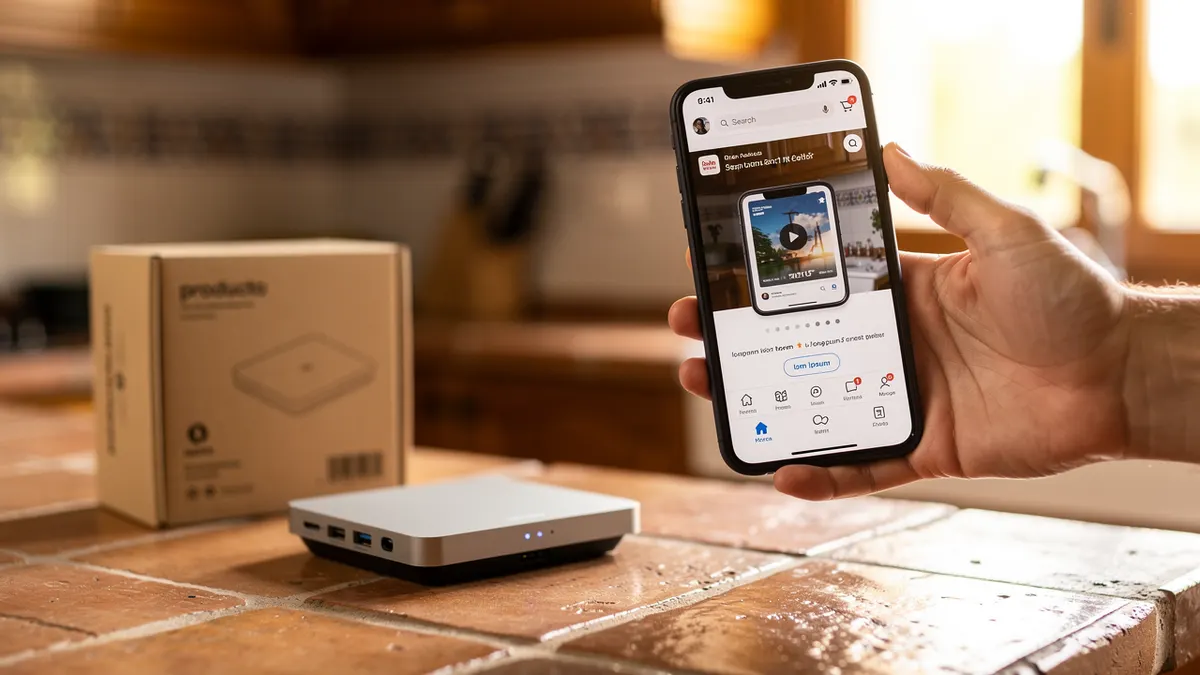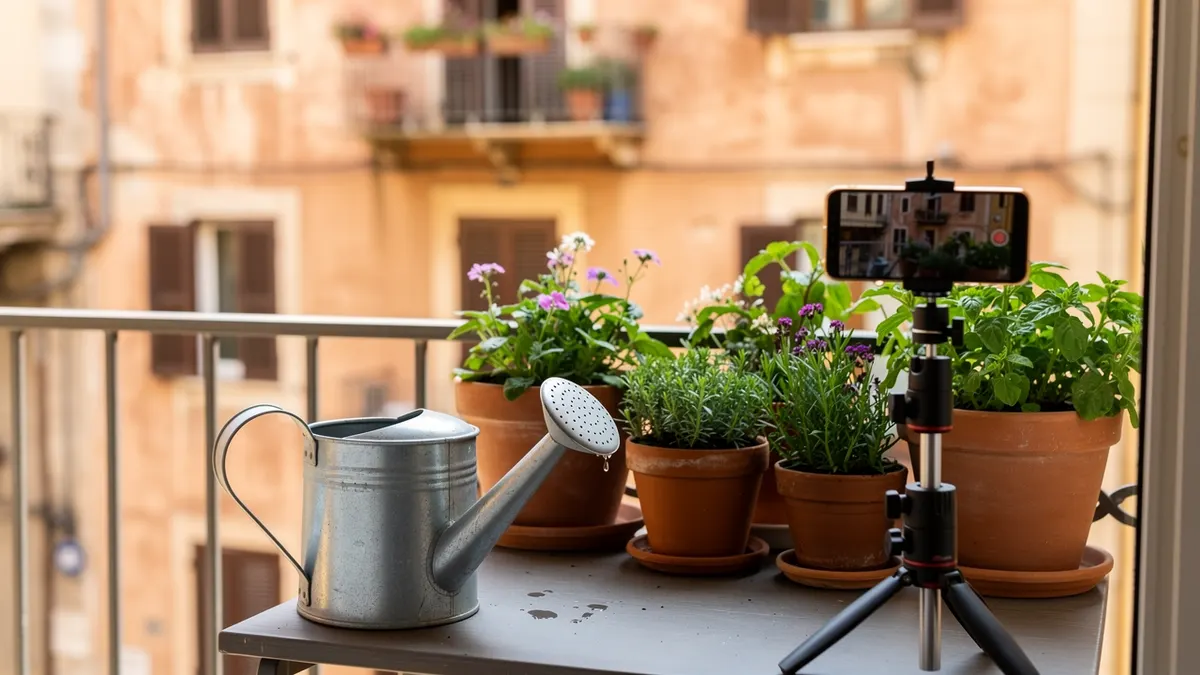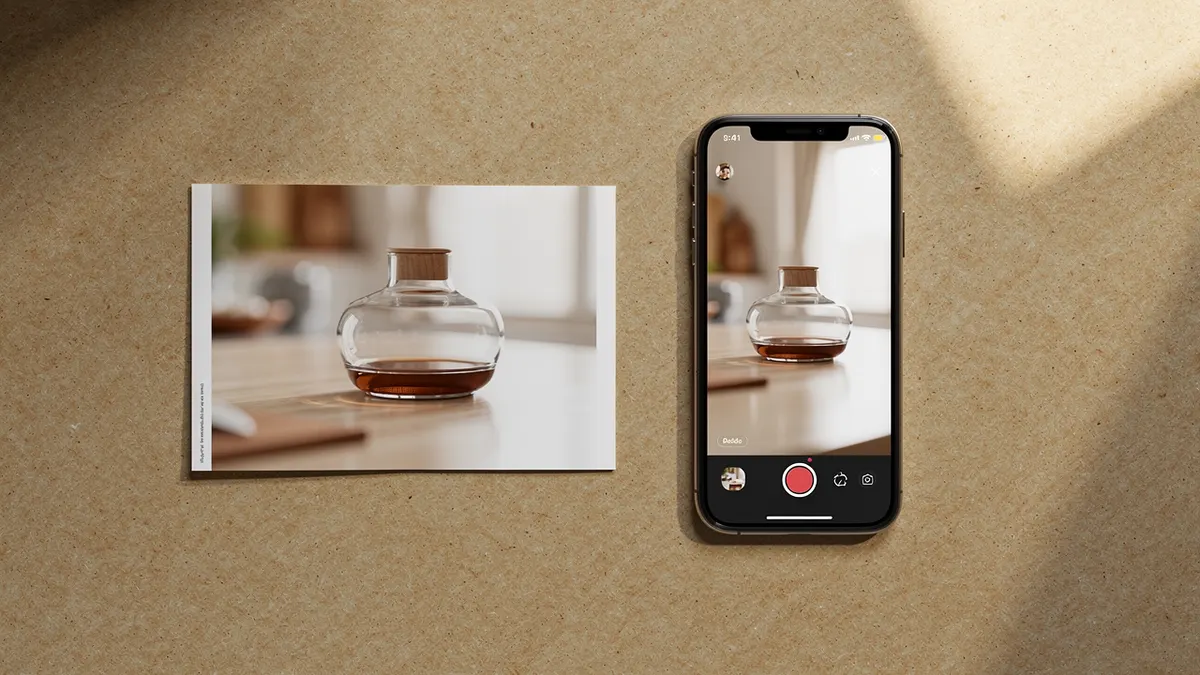
The question is badly framed when it is put in terms of taste. It is settled by looking at what your customers already ask, every day, of your customer service.
What photography does well
It answers "is it what I think it is".
Exact colour, material, finish, scale against a hand. It loads fast, reads instantly, scales across a whole catalogue and remains the basis of the product page and the marketplaces.
It is also far cheaper in volume: one session covers thirty references, a video session covers three.
What video does well
It answers "does it actually work".
The action, the real duration, the result after use, the size in a real hand, the object after three months. It carries a voice, and therefore an objection and its answer.
And it occupies the places photography cannot: the social feed, paid advertising, the home page, the post-purchase email.
Which matters more, by category
The customer service sort almost always gives the same answer by product family.
Fashion and accessories: photography for colour and cut, video for drape and movement. Cosmetics: video, because application is an action. Home and decoration: photography, plus an assembly video. Electronics and tools: video, the only thing able to show operation. Food: video, no argument.
How to split a small budget
Three steps, in this order.
First a photo session covering the whole catalogue: without it the product page does not exist. Then a video for the product that generates the most questions, not the one you like best.
Finally, once that video has proved it converts, buy three variants from the same shoot rather than a new product filmed once. That is the best ratio of spending to effect in this category.
How to know what you are missing
Two signals, both free.
The repeated questions to customer service, already described. And the return rate by reason: a "not like the photo" reason signals an image problem, a "does not work as expected" reason signals a lack of demonstration.
Those two figures tell you what to produce next, more precisely than any media plan.
What each format proves
| Buyer's question | The photo | The video |
|---|---|---|
| What does it look like | Enough | Enough |
| How big is it | Difficult | Immediate |
| How is it used | Impossible | The gesture shown |
| How is it assembled | Impossible | The full assembly |
What stays a photo, whatever happens
The main image of the listing. It loads instantly, reads as a thumbnail and remains the first point of contact, even when a video is available.
What is produced in the same session
Both. One set, one light, a still take for the photo and a moving take for the video. Doubling the session costs thirty minutes, not a day.
What holds for Spain
Two particularities change the trade-off.
A significant share of purchases is decided on a phone, often in the evening: the photograph has to stay legible small and the video has to work with no sound.
And sale periods and local festivals saturate attention for several days. Produce your videos outside those peaks, and keep for those periods the simple visuals, which fare better when everybody is talking at once.