A brief is not an inspiration. It is the list of decisions you have already taken, and six lines carry nearly all the load.
The six lines
The four that are the same everywhere
The sentence the viewer has to retain, dealt with above.
The exact deliverable: number of videos, length, format, with or without subtitles, and the files expected.
The prohibitions: the words, gestures, places and visible brands that are excluded. That list is more useful than any creative instruction, because it frees up everything else.
And the commercial framework: rights granted, duration, territory, number of revisions included, delivery date.
One note: those four lines fit on half a page. Everything beyond is inspiration, and inspiration commits nobody.
The two that are Portuguese
The language and the variety: the Portuguese here and that of Brazil are neither written nor spoken the same way, and a script translated into the wrong variety is spotted in three seconds. Specify which one, and have it shot by somebody whose language it is.
And the expected advertising disclosure, with its exact wording and its place in the video. The applicable rules are checked with a lawyer, and they belong in the brief rather than being left to the creator's judgement.
One useful third particularity: in a market where the decision-makers know each other, a clear brief travels like a good reputation. Creators recommend to each other the brands that know what they want, exactly as brands recommend reliable creators.
What a one-page brief must contain
| Block | What you write in it | Length |
|---|---|---|
| The product | What it does, for whom | Three lines |
| The expected shots | The list, in order | Five lines |
| The exclusions | What must not be said or shown | Three lines |
| The deliverable | Formats, count, date | Two lines |
What is missing from nearly every brief
A concrete example. A link to two videos you like and one you dislike saves two rounds of correction.
What never goes into a brief
A script to be recited word for word. The video loses its naturalness, which is exactly what the brand came for.
What to remove
Six elements that weigh a brief down without deciding anything.
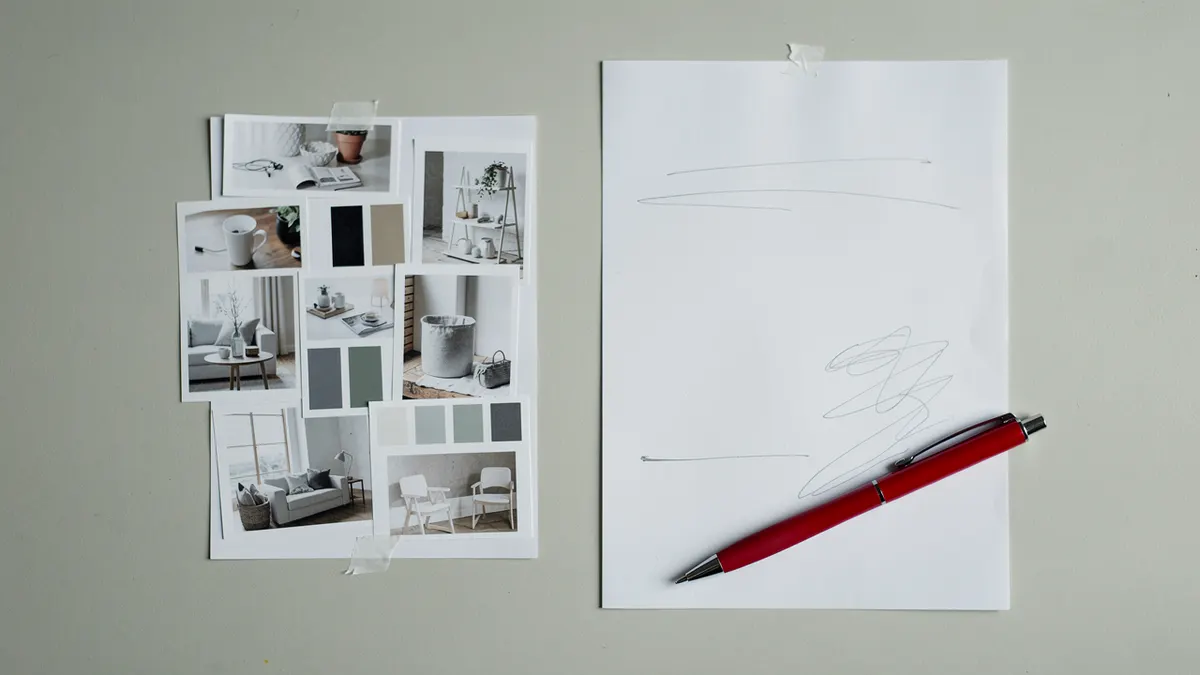
The mood board, unless it serves to show a precise framing. An inspiration image produces a failed copy, not an intention.
Adjectives: dynamic, authentic, premium mean nothing and cannot be filmed.
References to existing campaigns, which push towards imitating instead of solving.
The word-for-word script, except for the mandated sentence and the compulsory disclosures. A fully written text produces a reading, and a reading is audible.
The brand's history, which does not help in filming thirty seconds.
And the campaign's numerical objectives, which are neither within the creator's remit nor their responsibility.
One rereading method: take the brief and delete everything that is neither a decision, nor a prohibition, nor a technical piece of information. What remains is the real brief, and it almost always fits on one page.
One last marker: a good brief does not say how to film, it says what must not happen and what the video has to have proved by the end. Between those two markers, the person you chose knows how to do their job, and that is exactly what you are paying for.