Real ranges per video, per package and with usage rights, and where the budget really goes.
The real ranges
Three levels, and they cover almost the whole market.
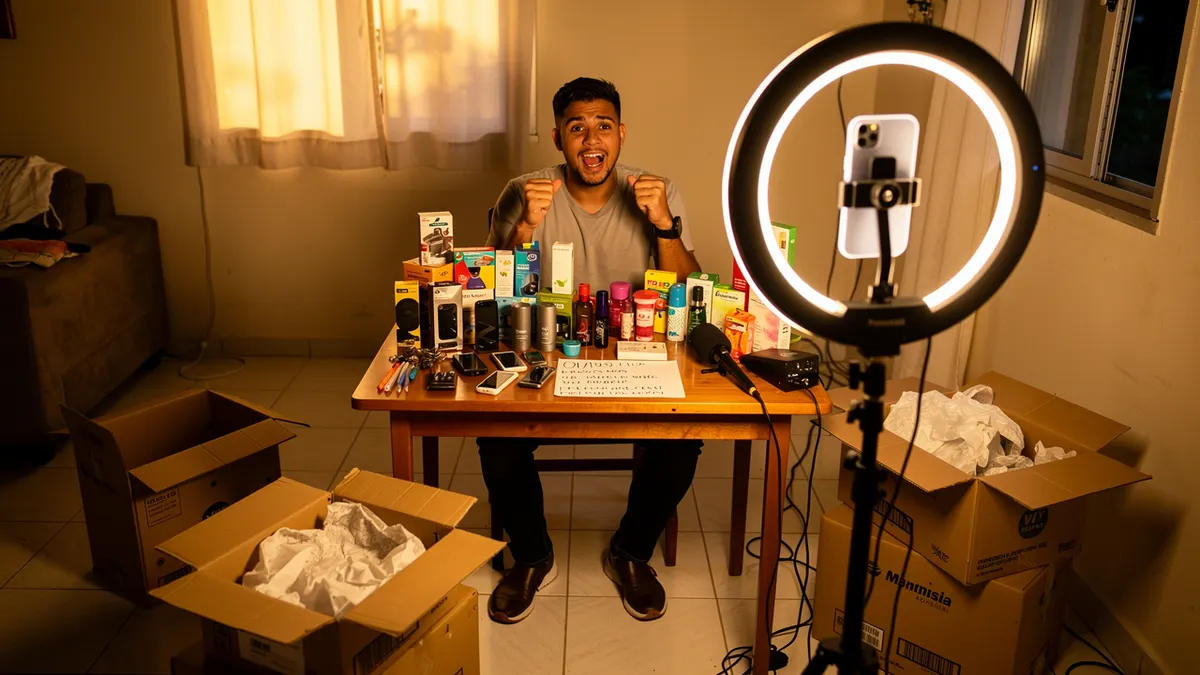
Entry: a beginner creator, a simple video, a product sent, raw delivery or minimal editing. That is the level feeding tests.
Middle: a creator delivering regularly, clean editing, subtitles, two formats, a few hook variants. That is the level that runs a campaign.
Top: a specialised profile, a technical category, a prepared shoot, sometimes several people on screen. That is the level reserved for what will be distributed with paid media.
Two rules for reading a rate card. A price with no scope means nothing. And a price with unlimited usage rights is not a price, it is a transfer.
Where the budget really goes
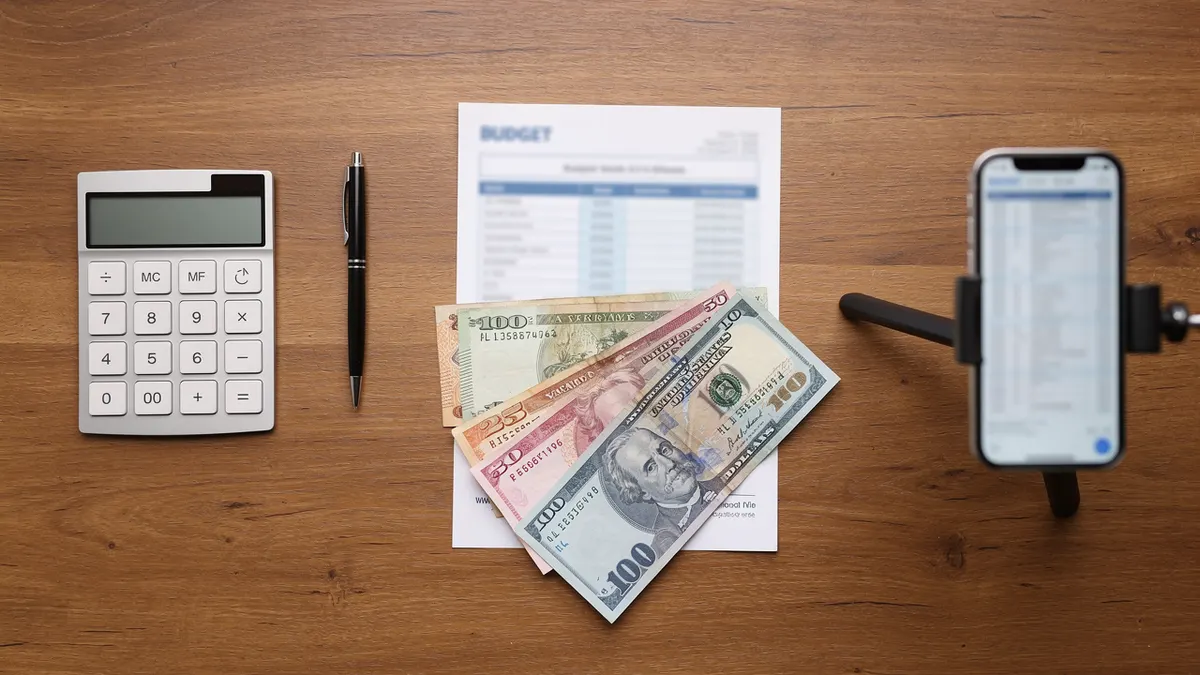
Four lines, and two are invisible at the start.
The production itself: shoot, edit, versions.
The usage rights: that is the line doubling a quote, and rightly so, because it turns a video into an advertising asset.
The product logistics: shipping, delay, sometimes return. In a country of that size, a parcel can take two weeks, and that delay belongs to the campaign calendar.
And coordination: the back and forth, the approvals, the reshoots. That is the line nobody invoices and everybody endures.
How to buy intelligently
Five decisions, in order.
Order a batch rather than one piece: the cost per video drops and you get variation.
Buy the rights for the campaign's real duration, not forever.
Separate shooting and editing when you have an in-house team: you pay less and you keep control of the variants.
Test with two different creators before ordering ten videos from the same one.
And keep a reserve of twenty per cent of the budget to redo what will not work. It always gets used.
What not to save on
Three items, and they cost dearly when cut.
The brief: one clear page avoids three reshoots, and one reshoot costs more than a page.
The sound: a badly lit video passes, an inaudible video does not.
And the written rights: a transfer that does not list the uses only covers those it names, and the discovery happens at the worst moment, when the campaign is already running.
What makes up the real cost of a campaign
| Item | What it covers | Often forgotten |
|---|---|---|
| The creation | Shooting and editing | No |
| The licence | Media, duration, territory | Yes |
| Internal steering | Brief, approvals, chasing | Yes, always |
| The distribution | The advertising budget | No |
What lowers the cost per video without lowering the price
Ordering a batch rather than a single piece, providing a complete brief from the start, and limiting revisions to two. Internal time costs more than the discount obtained.
What costs the most in the end
A video that cannot be used because the product was wrong or a disclosure was missing. Two minutes of checking before the shoot avoid that entire cost.
What to check before paying
Four points, whatever the amount.
The person's status and the way they invoice, because the tax treatment and any withholding depend on their situation. This point is checked with an accountant, before the first payment.
The written agreement on rights, by channel, territory and duration.
The permission of the people appearing on screen, including children and third parties.
And the advertising disclosure, mandatory as soon as there is consideration, with exact forms to be checked with the competent authorities.
One last methodological note: the real cost of a campaign is not read on the quote, it is read three months later, by dividing what was spent by the number of videos still running. That is the only figure comparing two suppliers honestly.
Sources
Checked on 4 September 2026. Thresholds and rates change: where this guide and the official source disagree, the official source is right.