Here nobody buys a material, they buy the certainty of not having to start again. It is a purchase saved up for over months, and that changes everything you have to show.
Durability sells, not looks
That is the reversal specific to this market.
When a purchase is saved up for over months and the price of materials follows a foreign currency, the buyer is not looking for what is beautiful, they are looking for what will not have to be redone. Behaviour over time therefore becomes the main argument.
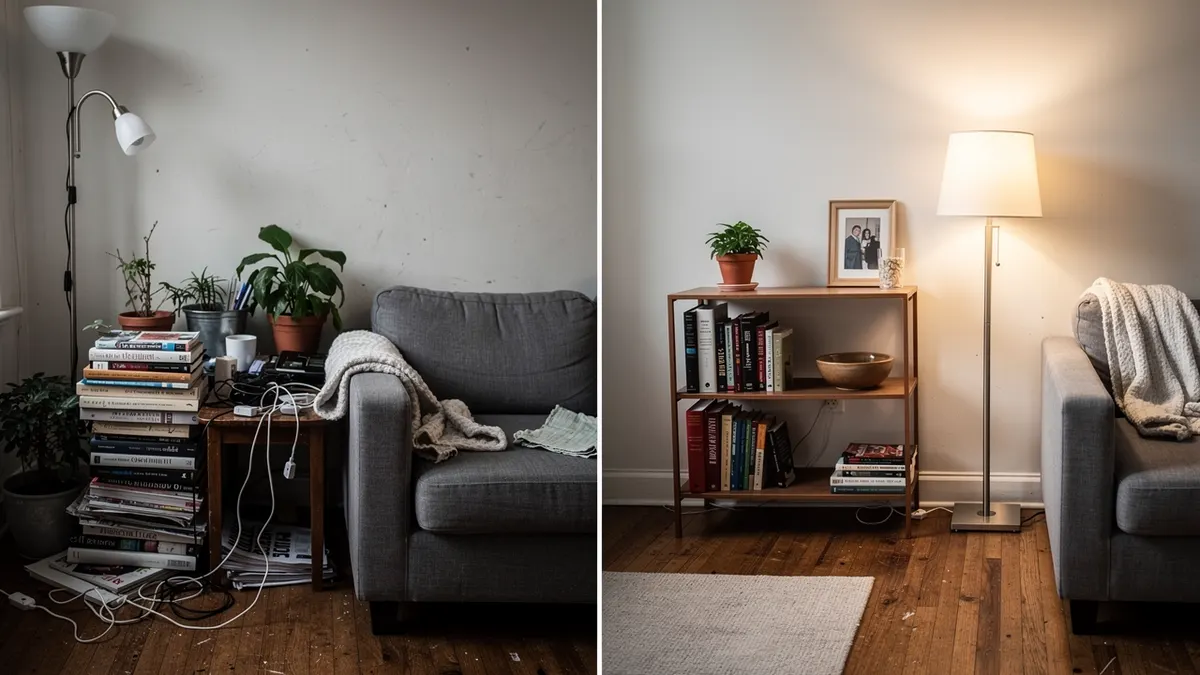
Film what ages: the same wall, the same floor, the same joinery, two years after installation, in a real house. It is the hardest content to produce, the most impossible to copy, and the most convincing.
Who actually buys
Rarely the person doing the fitting.
The decision is often taken by two people: the one who pays and the one who installs. The first wants to know how long it lasts, the second wants to know whether it is a pain to fit.
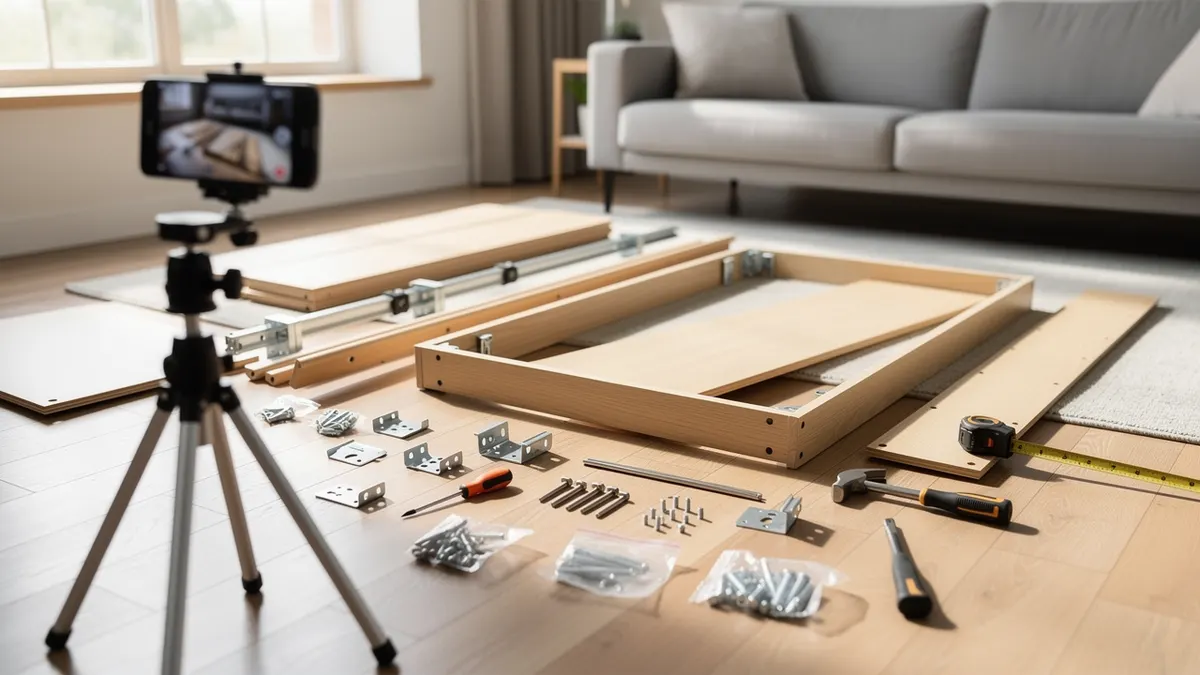
So two pieces of content are needed, not one. One video for the household, centred on durability and maintenance. One video for the installer, centred on the action, the tools needed, the traps and the real fitting time.
Fitting is the most valuable content
It is the one brands most underestimate.
An installer who recommends a product sells more than a campaign, because they are present at the exact moment of the decision. And they recommend what makes their day simpler, not what has the prettiest advertising.
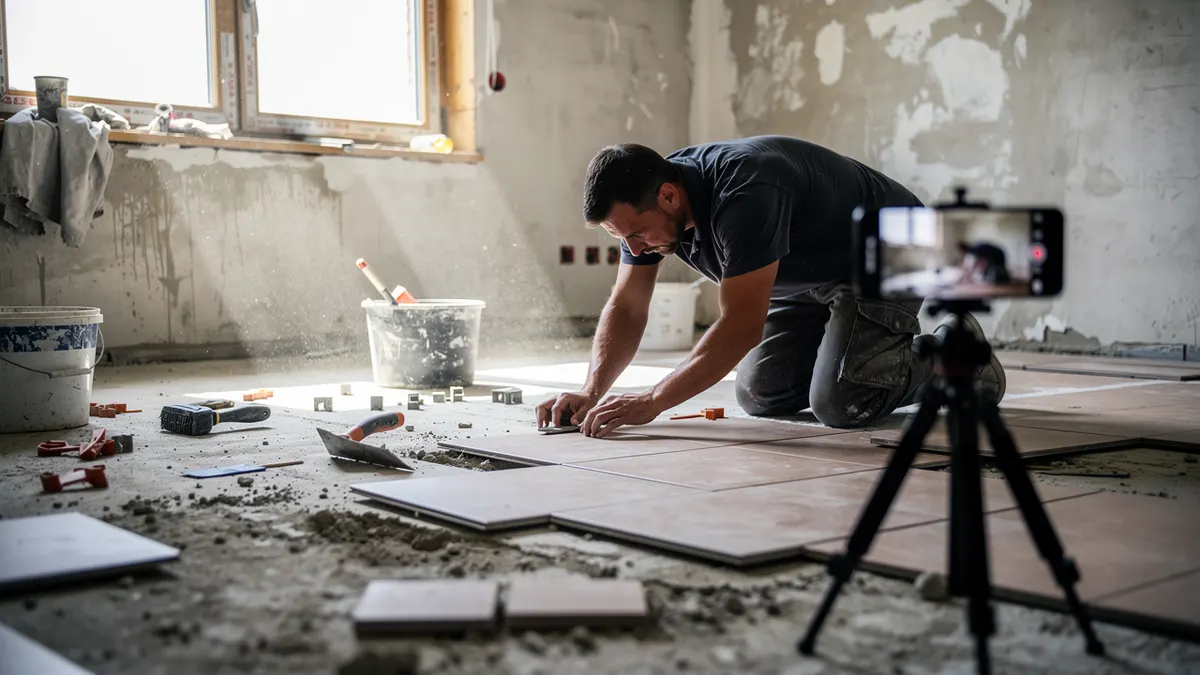
So film the complete installation, in real time, with the difficulties: the cut that catches, the join that does not line up, the extra tool needed. Content that acknowledges a difficulty gets passed around by professionals; content pretending everything is easy is ignored.
Price, and what may be said about it
That is the most asked and most delicate question.
In this market prices move, and a video announcing an amount becomes false within weeks, which damages the brand more than the absence of information.
So do not film prices. Show instead what really decides: the quantity needed for a given surface, the lifespan, the maintenance frequency, and what else has to be bought. That lets somebody work out their own budget without you having to set it.
Statements about prices, warranties, standards, technical performance and environmental claims come from the manufacturer's approved documentation and are checked with the competent authority and with a lawyer before distribution.
Safety, non-negotiable
Three rules for this category.
No dangerous handling shown as a shortcut: cutting, scaffolding, electricity and chemical products are filmed in accordance with the applicable rules and the manufacturer's documentation, or not filmed at all.
Nobody filmed without written agreement, including the workers present.
And no advice that would replace the intervention of a qualified professional.
What gets filmed on a building site
| Moment | What you film | Constraint |
|---|---|---|
| Before the work | The starting state, wide shot | One chance only |
| During | The technical gesture, close-up | Noise, helmet required |
| After | The same frame as at the start | Same hour, same light |
What is arranged with the site manager
Access, protective equipment, restricted areas and the slot when the machines stop.
What is blurred in the edit
Workers' faces without written consent, number plates and the client's exact address.
The buying window
It is short and it is prepared for.
Works concentrate before winter and after the summer holidays, and the decision often follows an inflow of money or a deadline. So the content has to be online before the window, not during it.
Film the fitting and the ageing whenever you have access, keep those sequences free of prices and promotions, and they will serve again every season without dating.