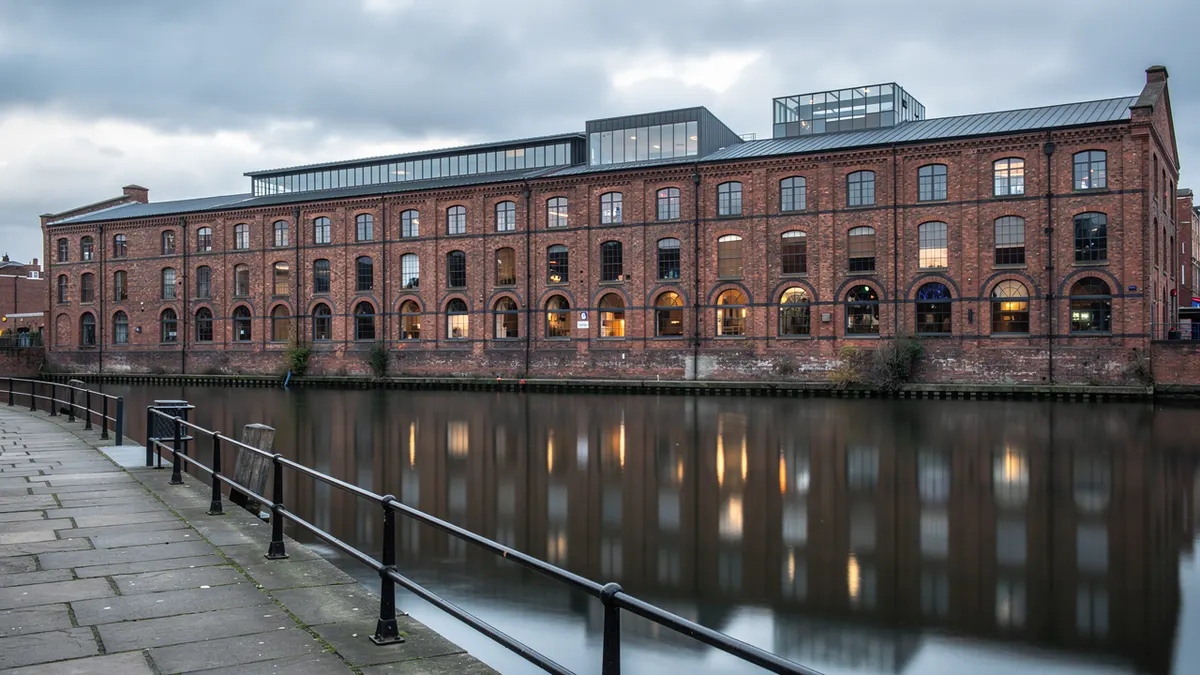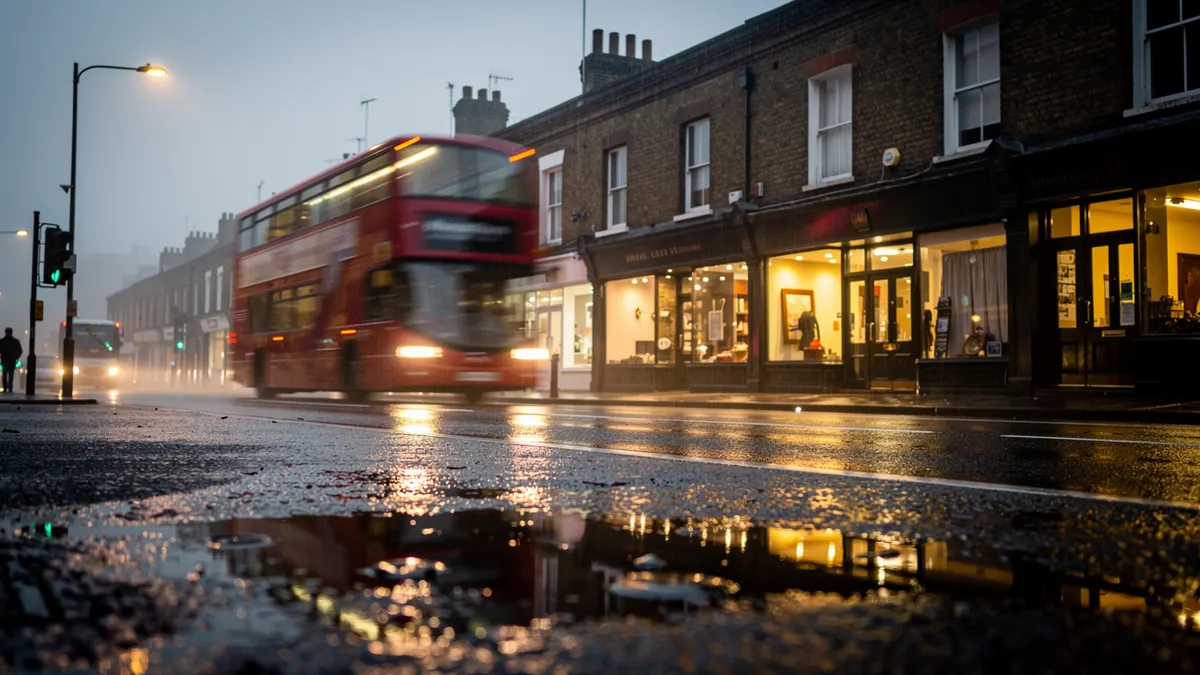
That square you were going to film in probably is not public.
Large parts of London that look like public space are privately owned: estates, station concourses, whole shopping streets, the pedestrian areas around new developments. On those, permission does not come from a council. It comes from whoever owns the ground, and their answer depends on what you have brought with you.
That single fact saves more shoots than any equipment advice in this article.
Where you actually are, and who controls it
| The location | Who controls filming there | What to sort before the camera comes out |
|---|---|---|
| Council street or park | The local authority | Whether your setup crosses their threshold for a permit |
| Privately owned estate or plaza | The landowner or managing agent | Written permission, requested in advance |
| Station or transport property | The transport operator | Their own filming process, which is separate from everything else |
| Inside a shop or venue | The business | Consent from the business and from anyone in shot |
| Your own flat | You | Nothing, which is why most London UGC is shot indoors |
The workable habit is the same as anywhere: handheld and quick if you have not asked, tripod and lights only once you have.
What London genuinely gives you
Physical proximity
This is the only city in Britain where being there still matters. Brand teams and agencies are here, they run casting days, they invite creators to shoots, and they add people to rosters after meeting them.
None of that is available remotely, and it is the single strongest argument for being in London rather than an hour outside it.
Getting onto lists
Most repeat work in this city moves through rosters rather than through search. Agencies keep lists of creators they trust for specific categories, and being on one is worth more than being excellent and unknown.
Getting on them is unglamorous: reply fast, deliver on the stated date, and be the person who caused nobody a problem last time.
What London costs you
Your floor is higher. Rent, transport and time all cost more, and you are competing with creators two hours away whose floor is lower and whose work looks identical on a phone screen.
That is the real trap here, and it is not about undercharging. It is about accepting London costs while pricing against national competition. If you live here, your rate has to reflect what being here provides, which is availability and access, not a nicer background.
What a location costs
| Location | Frequent status | What to ask for |
|---|---|---|
| Residential street | Public | Nothing, unless bulky gear |
| Building or station forecourt | Private | Written permission, sometimes paid |
| Covered market, arcade | Private | Slot, duration and fee |
What is prepared the day before
The status of each location, an alternative five minutes away, the quietest hour and the manager's contact.
What loses a day
Arriving without permission, filming with a tripod in a private area, or promising the client a precise address without checking it.
What London brands look for outside London
Worth knowing, because it cuts against the instinct to stay. Brands based here regularly cast creators elsewhere on purpose, for national campaigns where a London accent narrows the fit.
So the useful position is not "I am in London" as a credential. It is "I am in London and available this week", which is a different claim and the one that actually gets booked.
Sources
Checked on 27 August 2026. Thresholds and rates change: where this guide and the official source disagree, the official source is right.