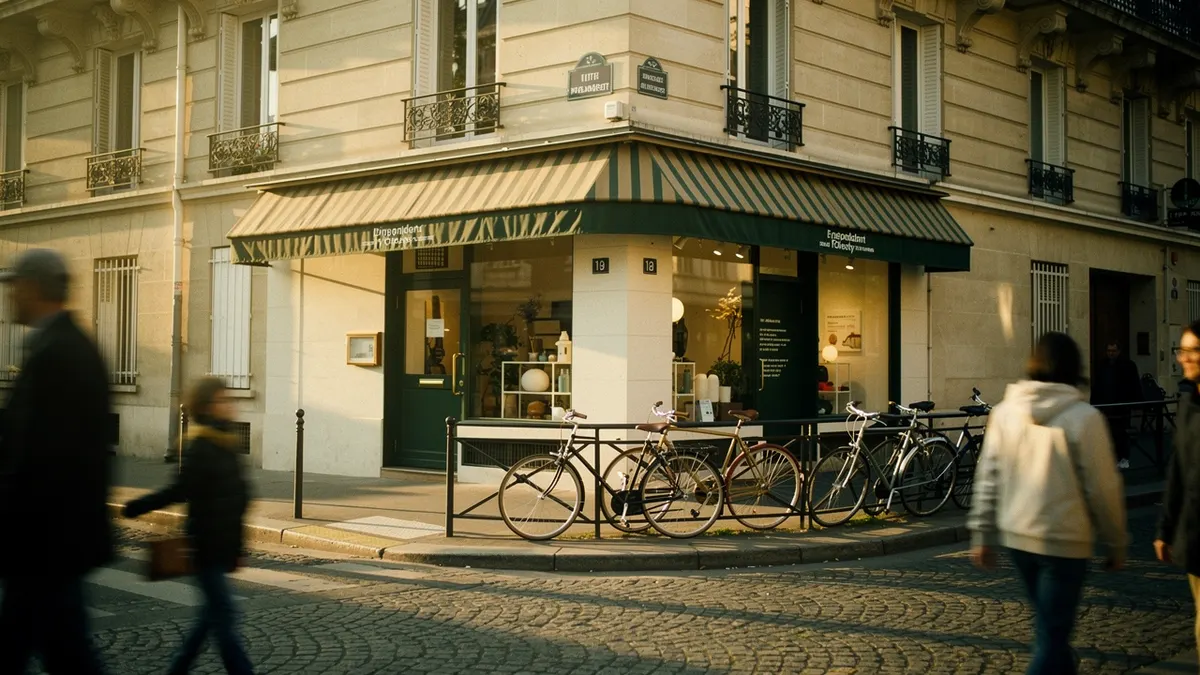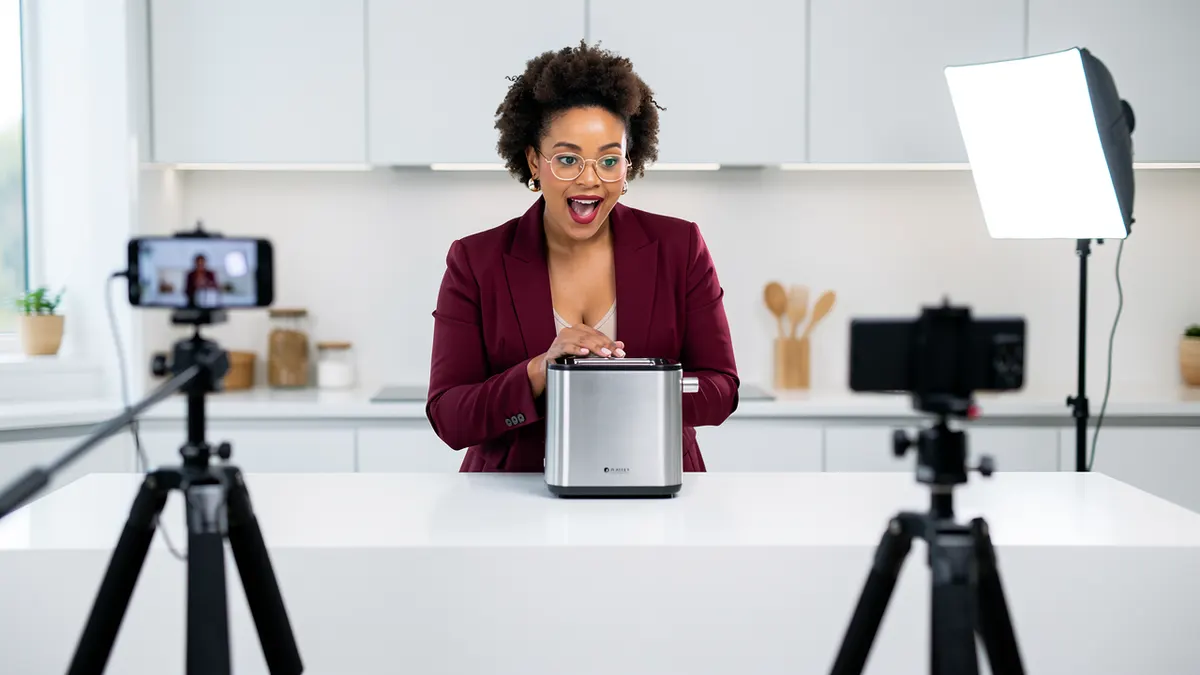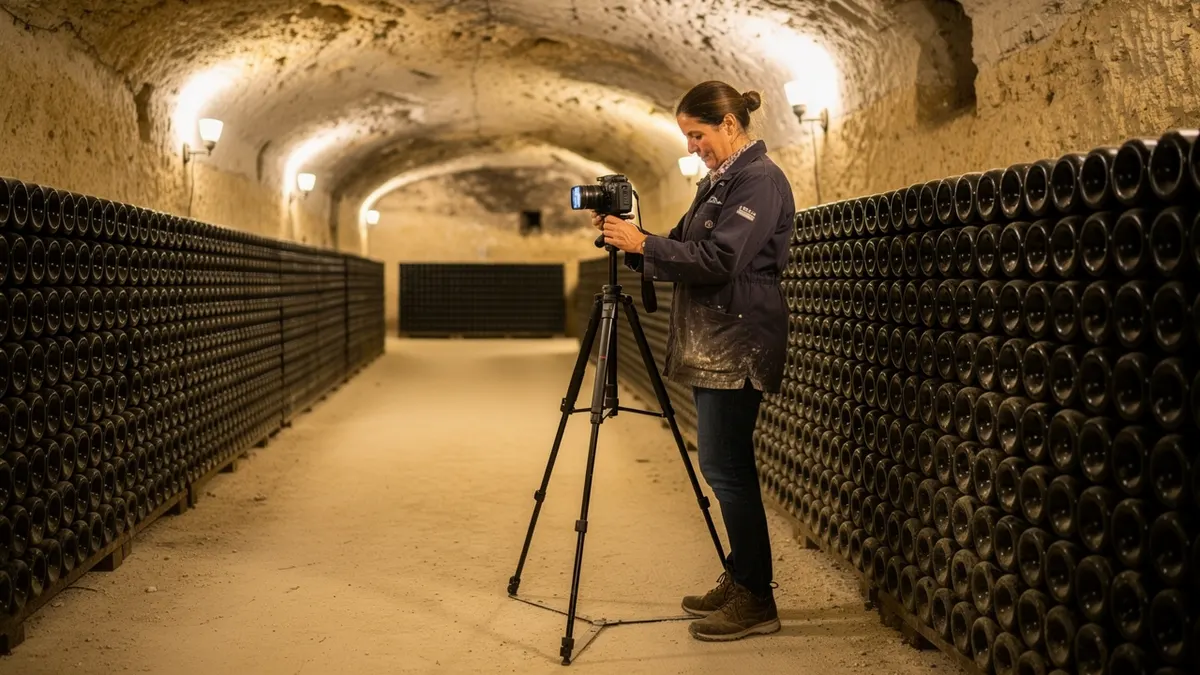
The most protected name in wine is here, with precise rules on what can be said about it, and tourism that pays well.
Who buys content here
Six client families.
Houses and independent growers.
Cooperative cellars and merchants.
Hotels, restaurants and reception venues.
Tourism operators and guides.
Town-centre shops and craftspeople.
And professional event organisers.
What they order
Six frequent formats.
A presentation of an estate or a house.
Seasonal content tied to work in the vines.
A venue video for receptions.
A team or craftsperson testimonial.
Event coverage.
And a short series for social media.
Why approval takes longer here
Six reasons a delivery waits.
The legal team reads every spoken line.
A house name commits more than a product name.
Several people share the final say.
The peak work season empties the offices.
A single disputed frame sends the whole edit back.
And an approved video is often reused for years.
The rules are the subject
Seven precautions before shooting.
Ask for the client's communication guidelines.
Have the script approved before the shoot.
Have the edit approved before release.
Check the applicable mandatory notices.
Avoid any forbidden association on screen.
Promise nothing about health or effects.
And confirm the obligations with a lawyer.
What can actually be filmed
Six subjects that remain open.
Work in the vines through the seasons.
The craft gesture in the cellar.
Built heritage and landscapes.
The welcome and the tour of a place.
The trade of the people who work there.
And the preparation of an event.
What to write into the quote
Seven clauses that prevent a dispute.
Who supplies the guidelines and by when.
How many approval rounds are included.
What happens if a shot is refused after the shoot.
Whether a mandatory notice must appear on screen.
Which territories the content may run in.
How long the content may stay online.
And who pays for a reshoot caused by a late refusal.
The tourism that goes with it
Six possible clients.
Hotels and guest houses.
Restaurants and regional tables.
Guides and private tours.
Shops and craftspeople.
Transport and visitor services.
And tourist offices and cultural players.
The season decides the calendar
Six organising markers.
Work in the vines follows a fixed cycle.
Peak activity periods close access.
Content is prepared several months ahead.
Tours are filmed mostly outside the production season.
Events are booked very early.
And a good collaboration is renewed every year.
How to build a price here
Six lines to show.
Preparation and reading the guidelines.
The shooting time on site.
The number of approval rounds.
The number of revisions included.
The rights line, with duration and territory.
And the option of an English version.
What a prestigious wine region orders
| The buyer | Their typical order | What they require |
|---|---|---|
| A house or a grower | The cellar, the gesture, the service | Legal wording on alcohol |
| An accommodation or caterer | The place and the table | Very polished imagery |
| A town-centre business | The window and the product | A short shoot |
What the appellation imposes on vocabulary
The terms are protected and their use regulated. You reproduce exactly what the house supplies, without inventing a flattering synonym, and any new phrasing is approved by them before publication.
What the cellar changes about a shoot
Little light, a lot of damp and dark surfaces. A fast lens, one discreet light and a cloth for the optics are enough, whereas a powerful lamp flattens the atmosphere that gives the place its value.
What the platform brings
On UGC MATCH, joining is free and there is no subscription: you are visible by category and country, and the order keeps a record of the brief and the delivery. The brand pays at ordering, the funds are not released straight away, and payment goes out on approval. The platform retains 10% of the price on the creator side, who therefore keeps 90%, and charges the brand a 6% service fee, with a minimum of 1.50 EUR.
One last marker: here the regulatory constraint is your best protection against competition. Those who master it keep their clients for years.
Sources
- Urssaf, official auto-entrepreneur portal
- Service Public, how to become a micro-entrepreneur
- Service Public, crossing the micro-entrepreneur turnover thresholds
Checked on 26 August 2026. Thresholds and rates change: where this guide and the official source disagree, the official source is right.