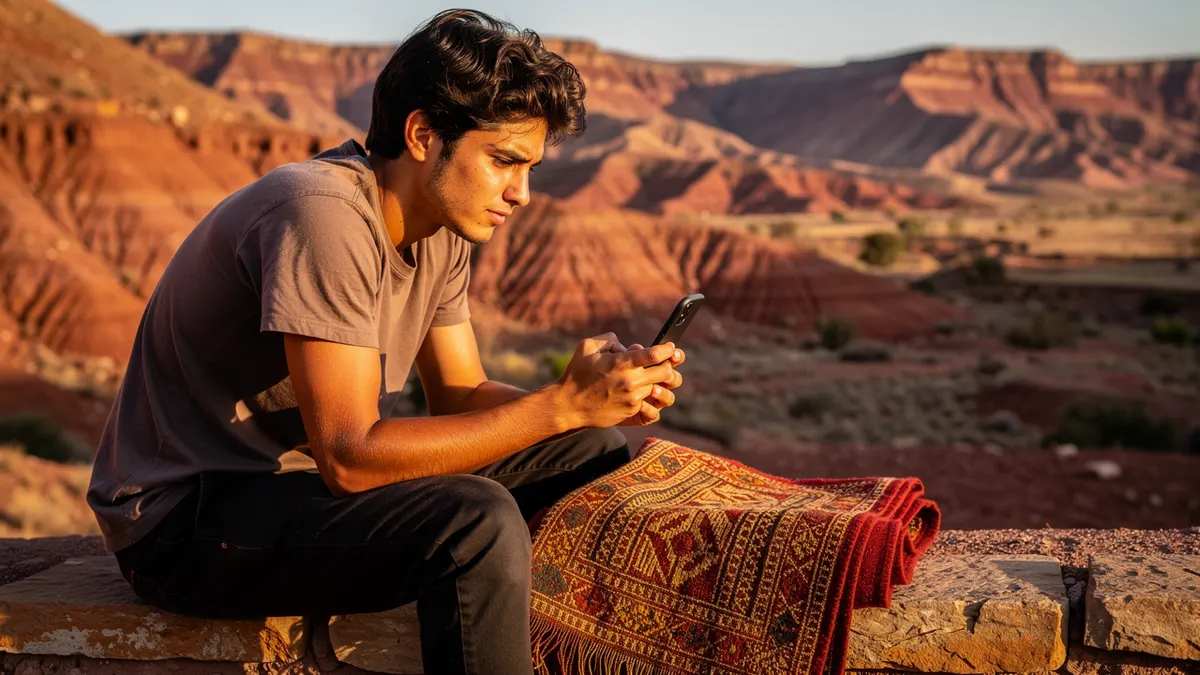
Salta sells landscape. Coloured hills, gorges, high altitude vineyards in Cafayate, colonial architecture and a regional cuisine with its own identity. It is the Argentine province where tourism weighs most in the public conversation, and that shapes the content market: here images are valuable because nobody else has them.
An economy of tourism, high altitude wine and services
Tourism organises much of the calendar, with strong seasons in winter and around long weekends. Hotels, guesthouses, tour agencies, restaurants and artisans live off it. The high altitude wine of the Calchaqui Valleys adds an exporting industry that needs to show product, winery and landscape at the same time.
On top of that sit the capital's services, serving the whole province and part of the region: clinics, retail, education and the supplier ecosystem around mining, a sector that has grown a lot and communicates almost nothing on video.
The categories that hire in Salta
- Tourism and hospitality: boutique hotels, guesthouses, gorge excursions, regional food. The traveller decides while looking at a screen.
- High altitude wine: wineries in Cafayate and around, with content in Spanish and in English for foreign visitors.
- Food and regional products: empanadas, cheeses, sweets, spices and brands shipping across the country.
- Craft and design: weaving, ceramics and silverwork, categories where close up detail sells on its own.
- Health and aesthetics: clinics and centres in the capital serving the whole province.
- Services and mining: suppliers, workwear and professional services, a category with budget and no creator supply.
How local creators find work
Tourism runs on referral and on season. A satisfied hotel introduces you to the tour agency and the restaurant next door, and within a couple of months you have a circuit. The key is to be early: pitches go out before the season, not during it, when nobody has time to answer.
The highest income comes from outside. National and international brands need Andean landscape, colour and culture, and have nobody in the north to film it for them. A creator from Salta who presents with access to gorges, vineyards and the colonial centre holds a visual catalogue Buenos Aires cannot match. To get found: monotributo in order, an organised portfolio, clear prices and a profile on a UGC marketplace.
Filming at altitude without mistakes
High altitude light is intense and deceptive: it burns colour at midday and creates very hard contrast. Film early or in the last hour of the day, when the hills give back the red that makes the landscape famous. Gorge wind ruins audio, so a wind cover for the microphone is mandatory.
And plan your timings: distances in the province are long and mountain roads are slow. Quote the travel day as part of the job, not as a favour.
What creators charge
In Argentina it pays to set the price in dollars and invoice in pesos at the exchange rate of the day, so inflation does not eat the gap between the quote and the payment.
As a reference: a single video for a local business starts at the equivalent of twenty five to fifty dollars. With a strong portfolio, seventy to a hundred and eighty dollars per video. Packages of three to five videos sell between two hundred and five hundred dollars. Tourism and wine pay above average when the material runs as paid media or in export markets, which is charged separately, as is travel.
What is prepared before going up
| Item | Why | When |
|---|---|---|
| State of the road | Access changes with the weather | The day before |
| Hour of the light | Valleys darken early | The day before |
| Batteries and storage | No charging on the way | In the morning |
What is filmed along the route
The stops, the changing landscape, the altitude you can see, the arrival at the village.
What is kept in reserve
An indoor shot, an interview, a product sequence: enough to save the day if the sky closes in.
Where to go next
Salta gives you a unique visual product and two industries that live on imagery. To turn that into paid work, our guide on how to become a UGC creator covers building the portfolio, setting prices and closing the first collaborations.
Publish your creator profile →---
Sources
Checked on 26 August 2026. Thresholds and rates change: where this guide and the official source disagree, the official source is right.