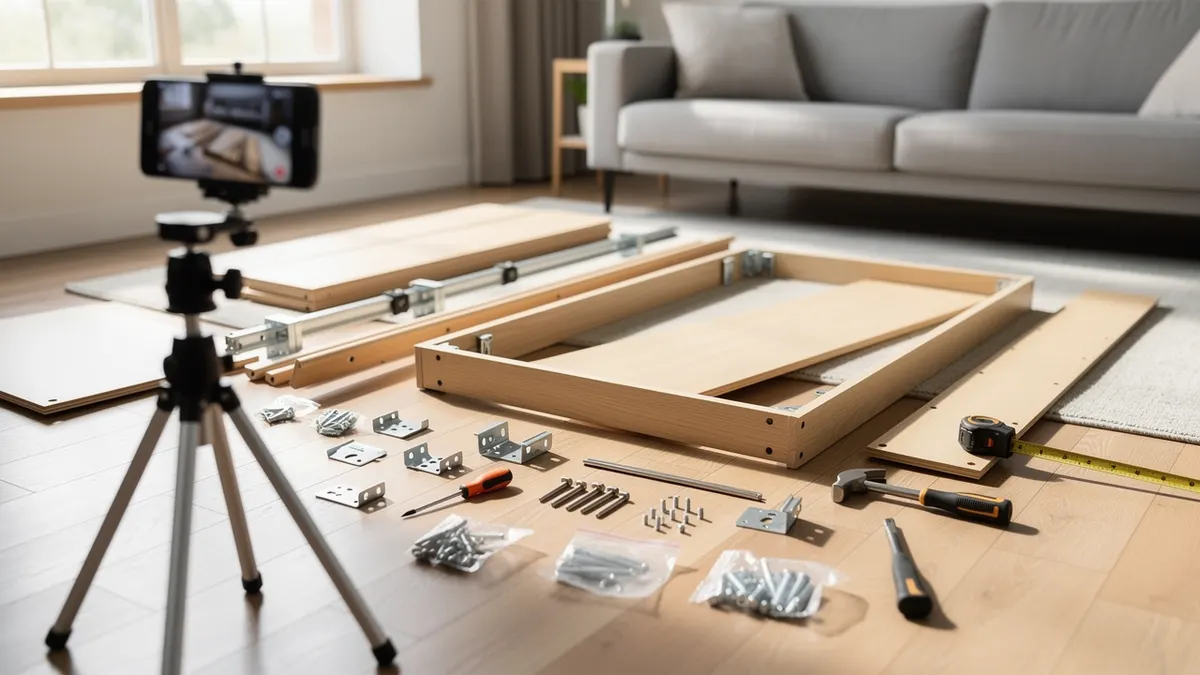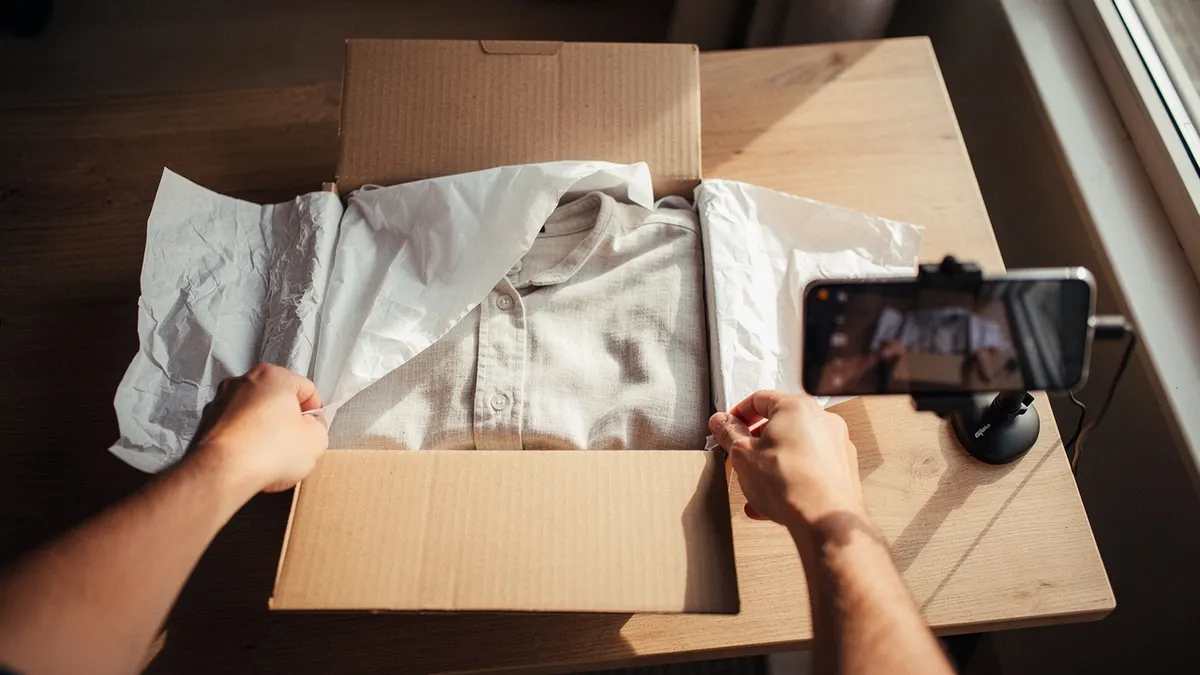
Online retail buys UGC for one precise reason: video replaces what the customer cannot do, touch, try on, compare in hand. A shop that forgets this orders pretty images and then wonders why its conversion rate does not move.
In Argentina a second lever is added, and it often weighs more than the product itself.
Instalment payment is part of the pitch
There, a price is not read alone. It is read alongside the number of instalments that comes with it, and that mention is sometimes looked at more than the total.
That has a direct consequence for content. A video that only talks about the product leaves the viewer facing an unknown at the exact moment they hesitate. One sentence recalling that the purchase can be split, without giving a figure the video could not keep up to date, removes that last brake.
The right phrasing is simple: say that payment can be split and point to the product page for current terms. You keep the video usable for months, and the shop keeps control of what it announces.
What the video has to replace
Scale. The most expensive mistake in online retail. Show the object in a hand, next to a familiar item, on an ordinary table. Half of returns come from this.
Material and finish. What a retouched photo will never say: the weight, the sound, the stitching, what shines and what does not.
The real unboxing. How the parcel arrives, what is inside, the state of the packaging. It is the first moment of truth in the relationship.
The gesture of use. The product actually used, not presented. A ten second demonstration is worth three paragraphs of description.
The comparison with expectation. What the page suggested against what comes out of the box. It seems risky and it is what reassures most.
Where these videos actually work
They do not only serve advertising. The same piece is reused on the product page, in answers to customer questions, in abandoned basket campaigns and in messaging.
So ask for cut-out shots with no face and a version without burned-in captions at the time of ordering. It costs almost nothing to capture at the same time, and it multiplies the places where the video works.
Which creator to hire
Someone who resembles the customer, not someone who resembles a model. In online retail, resemblance is the central mechanism: the viewer either pictures themselves or does not, and nothing else compensates.
Look too for someone able to show a flaw. A video that says what is not great and why it is still a good buy converts better than sustained enthusiasm, because it reads as an opinion rather than an ad.
The brief that produces usable material
Give the specification, the most frequent objections from customer service, what must appear on screen, three possible openings and the list of what may not be claimed.
Add an instruction few brands think to write: ask for a mention of how the purchase is paid for, with no figure. It is the line most often missing, and it is the one that walks the viewer to the button.
Where content acts in the funnel
| Stage | What the video must remove | Format that works |
|---|---|---|
| Discovery | Doubt about usefulness | 15 s, one single use |
| Product page | Size, material, box contents | 30 s, close shots |
| Abandoned cart | Doubt about delivery or returns | 10 s, one sentence |
What video genuinely reduces
Questions to support, size-related returns and carts left halfway.
What it does not replace
A badly written product page, a vague delivery time or a returns policy nobody can find.
The calendar
The May Hot Sale and Black Friday concentrate a significant part of the year, the end of year holidays land in high summer, Mother's Day falls in October, and March reshuffles family budgets. Pieces are commissioned four to six weeks before each peak, because there is producing, revising and testing to do before the traffic arrives.