Millions of people here are using a financial application for the first time. The video therefore does not have to praise a product: it has to lift a concrete distrust.
The real competitor is cash
That is what brands from other markets understand latest.
For a large part of the audience, the alternative is not another application: it is the note in the pocket, the branch deposit, payment on delivery, money kept at home.
The video must therefore answer the real advantages of cash: it is immediate, it depends on no network, it does not freeze, and it asks nobody for an account.
That gives three concrete, verifiable arguments: what happens with no connection, what happens if the phone is lost, and what happens on a Sunday.
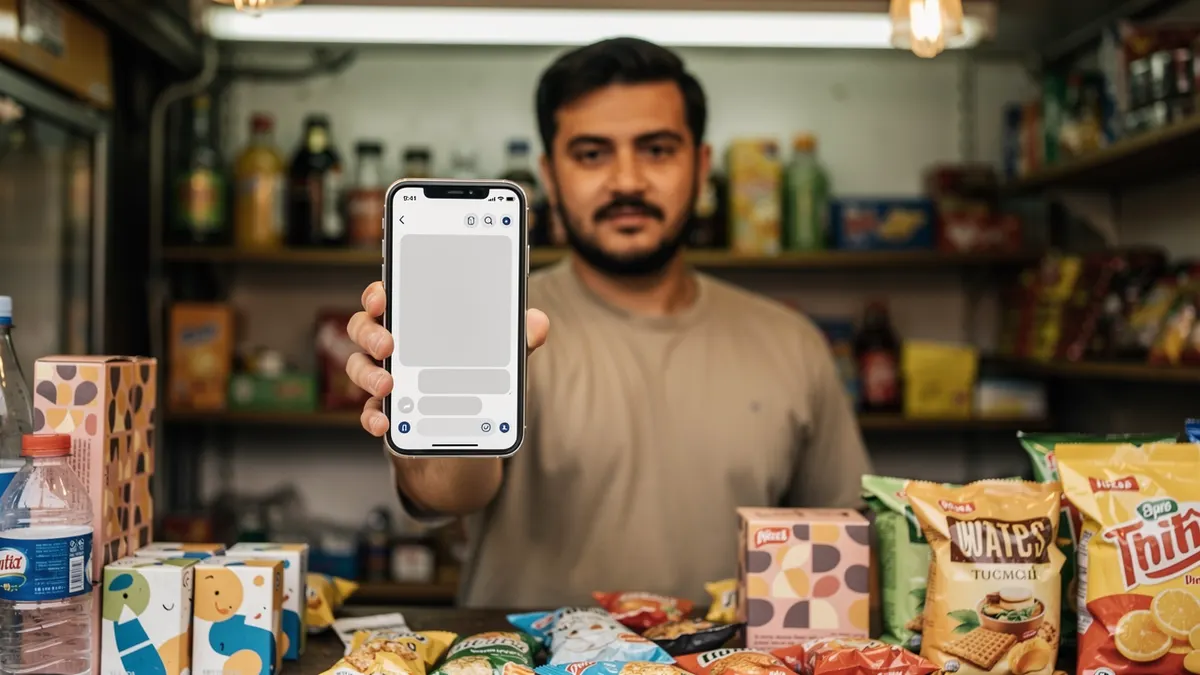
Show the screen, slowly
That is the most important production rule here.
Somebody who has never used this kind of service does not follow a fast edit. They watch where to tap, what appears, what has to be entered.
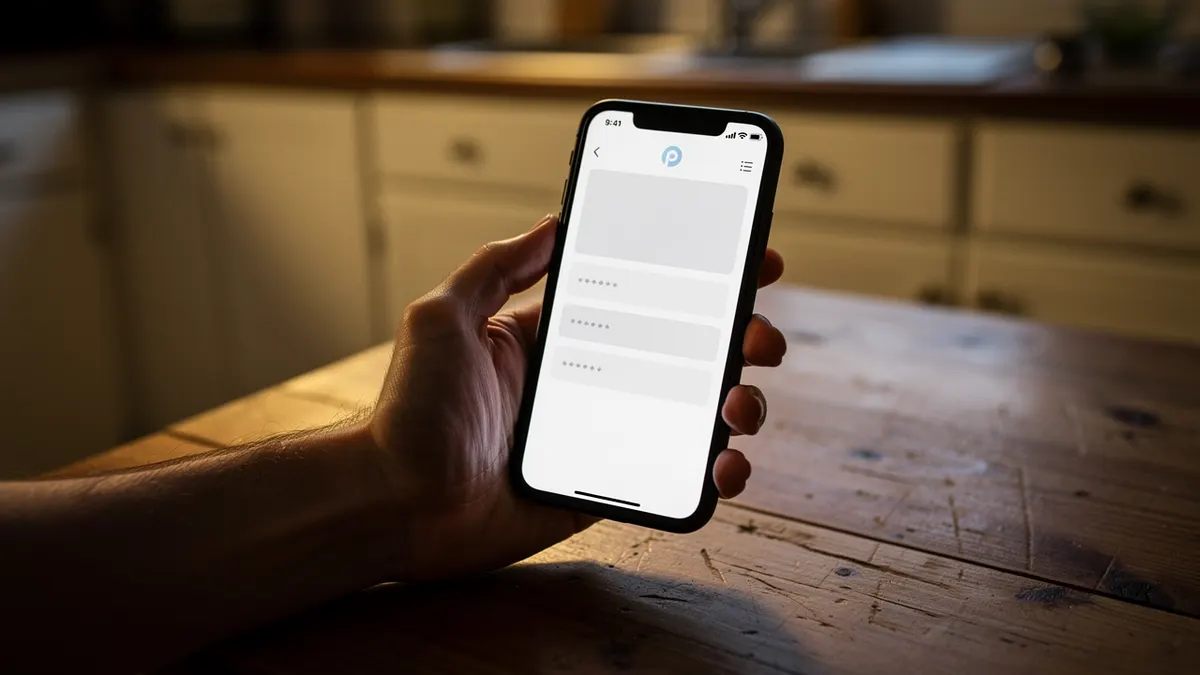
So film the real screen, with no speeding up, with the hand visible. Leave time to read.
Two precautions. Mask any personal data, any number, any real balance. And use a demonstration account rather than a personal one.
Take somebody who was sceptical
That is the most effective casting in the category.
Somebody enthusiastic from day one convinces nobody: they sound like an advert. Somebody who explains why they refused, then what changed their mind, speaks directly to the person still hesitating.
The best-performing format is therefore the two-part testimonial: the objection first, honestly formulated, the answer second, shown on screen.
Add the length of use: somebody who has used the service for eight months does not carry the same weight as somebody who has just installed it.
The disclosures are not optional
It is the most heavily regulated sector of all those covered on this site.
Three families of obligations coexist. Those of advertising in general, including identifying the commercial nature. Those specific to financial services, which frame information on costs, rates, guarantees and the status of the institution. And those linked to personal data shown on screen.
A promise of return, a comparison of rates, a mention of a guarantee or an allusion to the safety of funds is never improvised: it is taken word for word from an approved document.
These rules depend on the product, the status of the company and the medium, and are checked with the competent authorities and a lawyer before going live.
What the video can show without advising
| Element | What is possible | What is not |
|---|---|---|
| The app | A filmed sign-up journey | A promise of returns |
| A price | The publicly displayed price | A comparison with no source |
| A service | What it does, step by step | A personal recommendation |
What is systematically masked on screen
A balance, an account number, an identifier, a code and any other person's data. A poorly cleaned shot is dropped, not blurred after release.
What must appear in every video
The advertising disclosure, the institution's identity and the warnings required by the regulation, to be confirmed with a lawyer.
What builds trust over time
Four kinds of content, all unspectacular and much watched.
The problem-solving tutorial: lost password, blocked transfer, swallowed card.
The public answer to a question asked in the comments, filmed by a real person from the company.
The explanation of a fee, line by line.
And the six-month update from somebody filmed before. It is the hardest proof to dispute, and the cheapest to produce, since it only takes one phone call.
Sources
Checked on 4 September 2026. Thresholds and rates change: where this guide and the official source disagree, the official source is right.