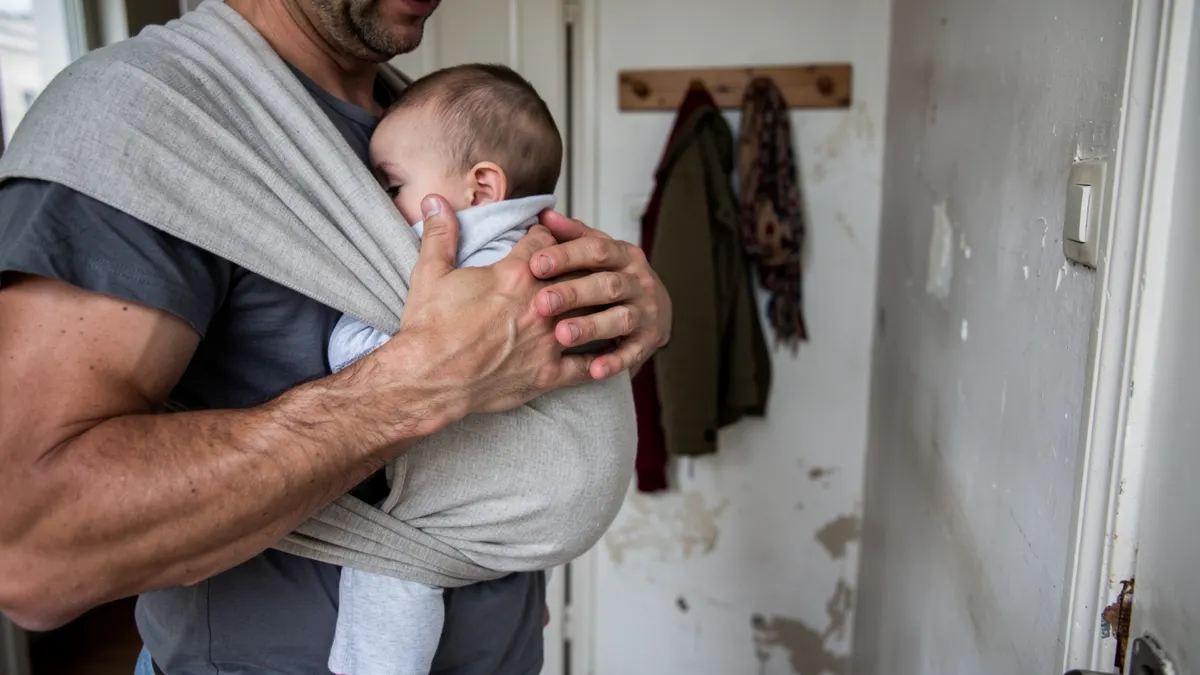
Fitness is the category with the widest gap between the video people like and the video that sells. An athletic body in a well lit gym makes fine images and convinces nobody, because the viewer knows that is not where they are starting from.
In France two market particularities shift the argument that has to be made.
The peak is in September, not January
The autumn return is the real moment of this category. September is when schedules settle again, when memberships are signed, when clubs fill their slots. January exists, but it comes second and lasts less.
Content produced for January therefore arrives after half the market has decided. Pieces meant for the September return are commissioned in July and August, when nobody is thinking about it, which is precisely the advantage.
The third moment is spring, before summer, with a different intention: preparing rather than restarting.
The brake is not price, it is consistency
The market is largely structured by monthly no-commitment gyms, at rates that are no longer an obstacle for a large part of the public.
What the customer fears is therefore not paying, it is paying and not going. Almost everyone has had a membership they did not use, and that memory blocks more sign-ups than any price.
The video that converts here does not talk about results, it talks about continuity. How you hold on for three weeks, what happens when you skip a session, how you resume without starting from scratch. A brand that tackles dropping out head-on disarms the real objection instead of answering beside it.
What actually converts
The honest starting point. Someone beginning, out of breath, stopping. It is the only content a beginner identifies with, and the beginner is the market.
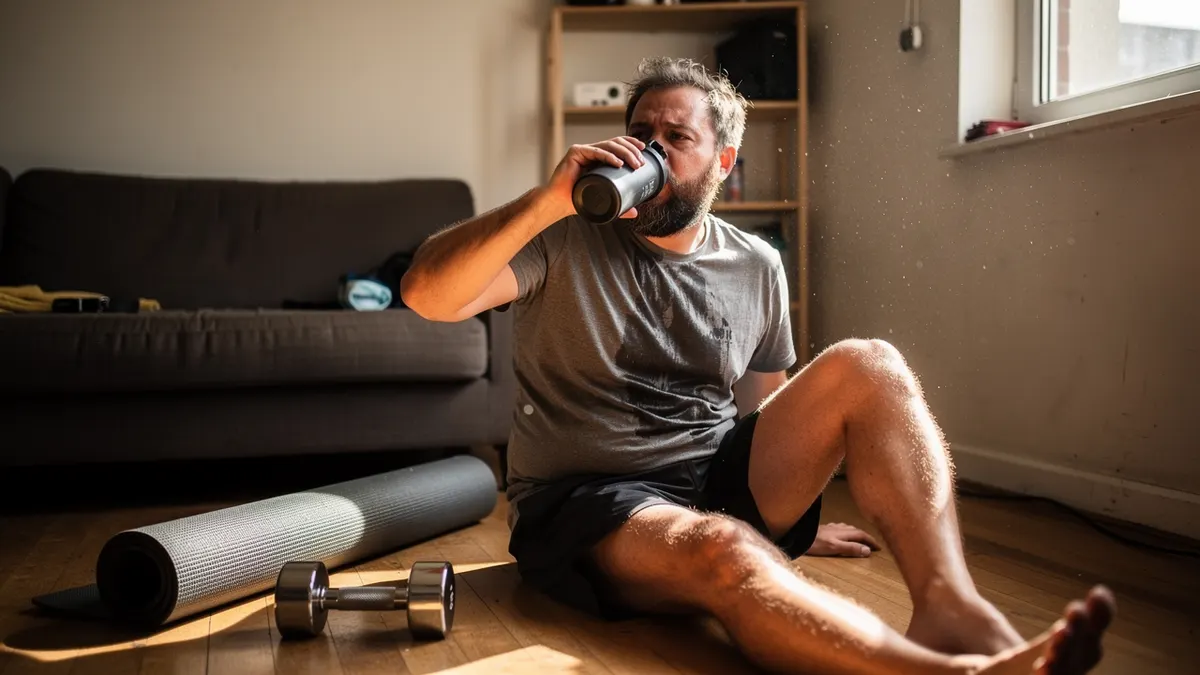
The short, real session. Twenty minutes in a living room, between work and dinner. That is what the customer lives, and it sells better than a perfect ninety minute workout.
Using the equipment in a flat. Where it stores, how much space it takes, whether the neighbour below hears it. Those objections decide more purchases than any technical specification.
Dated, modest progress. A verifiable marker over a stated period, with no spectacular transformation. Excess scares off an audience that has seen too many promises.
The comeback testimony. Someone recounting the six months off and the return. It is the rarest and most effective content in the category.
Which creator to hire
Someone whose body and level resemble your customer's, not an athlete. Resemblance is the conversion mechanism, and an unreachable physique produces admiration, not a sign-up.
Look too for the ability to film alone, in movement, with no crew: framing a complete exercise, holding focus, staying audible under effort. That can be verified in ten seconds from a previous example.
What each piece of content may claim
| Content | What can be said | What cannot |
|---|---|---|
| Garment under effort | The fit, the breathability | Guaranteed performance |
| Machine or accessory | Footprint, stability | A bodily result |
| Supplement | What the label states | An effect on health |
What is agreed with the gym beforehand
The quiet slot, the manager's consent, the filmable areas, the music on the system and the consent of those present.
What gets proofread
Every spoken line and the advertising disclosure, to be confirmed with a lawyer.
The brief, and what cannot be claimed
Give the exact exercise or product, the level targeted, the real length of a session, what has to be shown about safe execution, three possible openings.
Attach the list of forbidden claims. It is indispensable here: promises about weight loss, performance and health claims are regulated, and the risk falls on the brand. The reference when in doubt is the competent authority, never a competitor's communication.
Finally ask for a short version with no face, centred on the movement, which goes on to the product page and tutorials for the price of the same shoot.
Sources
Checked on 4 September 2026. Thresholds and rates change: where this guide and the official source disagree, the official source is right.