Food video does not convert because it is beautiful. It converts because it triggers a physical reaction within three seconds. That misunderstanding explains how many food brands buy appetising content that sells nothing.
In Argentina a second factor weighs just as much: the time of day the product is filmed.
The moments that shape the day
Three eating occasions organise consumption there, and none has an exact equivalent elsewhere.
Mate, from morning to night, alone or in a circle. A product filmed next to a flask and a bombilla enters a daily ritual rather than an occasion. For anything that goes with it, biscuits, pastries, savoury snacks, this is the most profitable and least exploited context.
The merienda, late afternoon, which is a real meal and not a guilty snack. A brand showing its product at that hour speaks to an established habit, not to a passing craving.
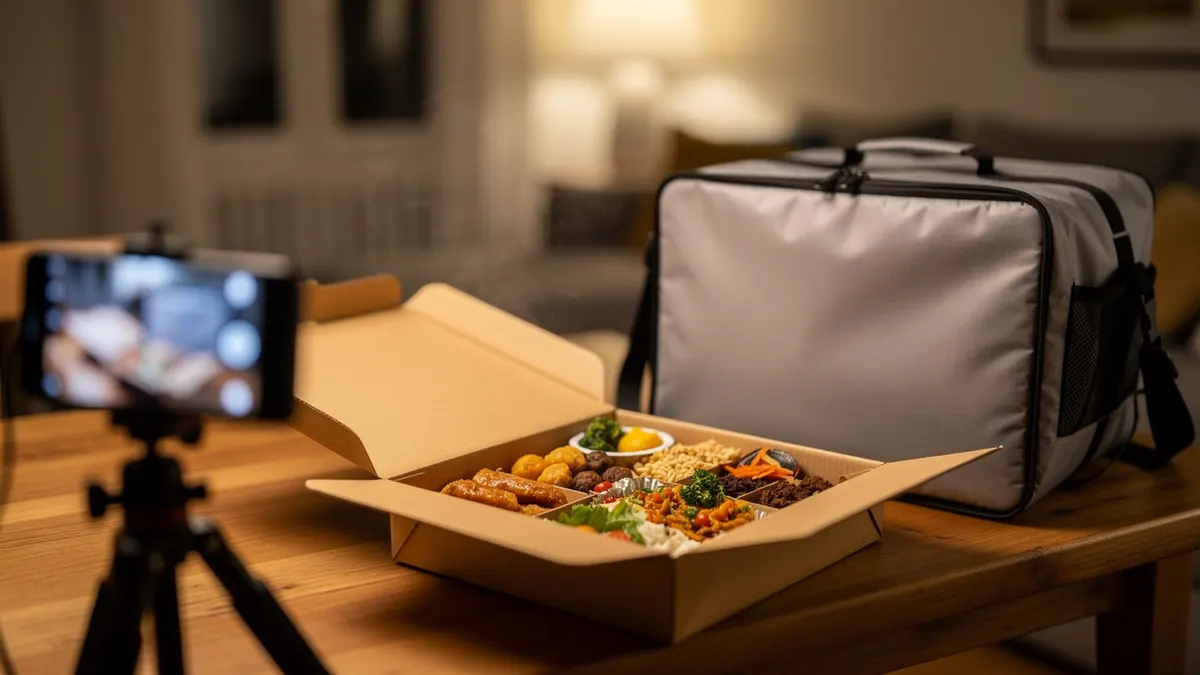
The late dinner. People eat late, which has an immediate practical consequence for the shoot: the evening scene is filmed under artificial light. The brief has to say so, otherwise you will receive a seven o'clock table bathed in sunlight that resembles no real dinner.
Then come the calendar occasions: the weekend asado all year round, the end of year holidays in high summer, the March return to routine, and the short winter for hot products.
What actually converts
Sound. The crunch, the bubbling, the slicing. In food, audio works harder than image, and it is the first thing neglected.
The genuine first bite. The reaction of someone actually tasting, including the pause before they speak. That pause cannot be acted.
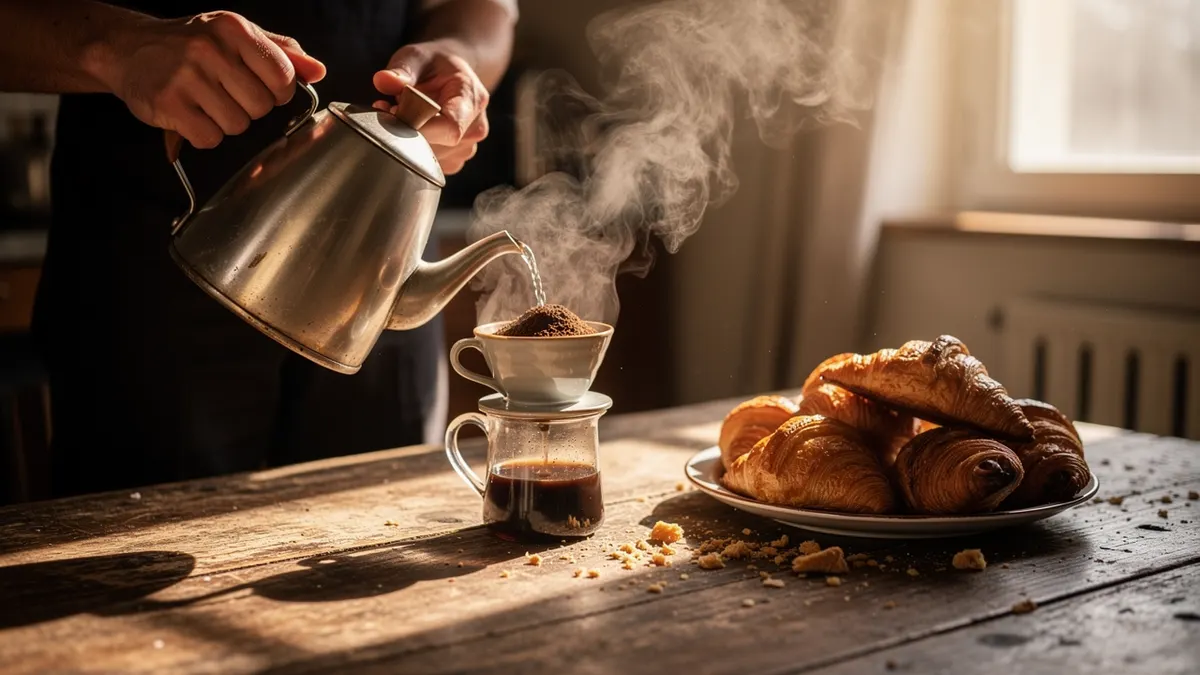
Steam, the drip, the stretch. Movement of the product, not of the camera.
The consumption context. Where and when it is eaten. An ordinary scene sells more than a perfect plate on a marble worktop.
Real time preparation. Especially if the product saves time: showing the actual three minutes convinces more than promising a quick prep.
Which creator to hire
The one who can film food, not the one who cooks well. These are two different skills and the brand needs the first.
Ask for previous food examples before hiring. An excellent beauty creator can deliver grey, unappetising food, and it is not their fault: it is a separate technique.
Look too for people whose kitchen resembles your customers'. A magazine kitchen tells the viewer the product is not for their ordinary days.
The brief that produces usable material
Give the preparation step by step, the time of day the product is consumed, the mistake people usually make with it, and three possible openings.
Add the list of what may not be claimed. Nutrition and health claims are regulated, and the risk falls on the brand. When in doubt the reference is the competent authority, never a competitor's wording.
Finally, ask for detail shots with no face. Those are the ones reused as product page footage and short ads, and they cost almost nothing to grab on the same set.
What happens in a kitchen before the shoot
Six preparations that save time.
A second portion ready for the second attempt.
A clean cloth within reach.
The plate wiped before recording.
The light set on a stand-in portion.
The camera at the height of the dish.
And a spoon ready for the decisive move.
What is filmed in what order
| Moment | What you film | Why now |
|---|---|---|
| Before cooking | The raw ingredients | The set is still clean |
| During | The gesture, the texture | The material is moving |
| Right after | The plate served | The steam does not last |
What is prepared in duplicate
One stand-in portion to set the light, a second for the real take: the first plate is for testing.
What is never said
A health promise, an effect on weight, an origin that is not on the label.
How many pieces to order
Six pieces with three openings each for advertising. And test at least two different consumption moments: it is the variable that moves the result most in this category, ahead even of the choice of creator.