Here is why payment on invoice and a high return rate change what your videos have to show, and the formats that convert.
The video completes the listing, it does not repeat it
Three reasons.
A German site's product listing is already long and precise: repeating its information in video adds nothing.
What it does not contain is movement, material, scale and gesture: that is exactly what the video brings.
And the buyer reads before watching: your video therefore arrives second, to remove a precise doubt, not to present the product.
One practical consequence: ask for the list of questions put to customer service about the reference. It is the best video script there is.
What the video has to show
Five elements, all concrete.
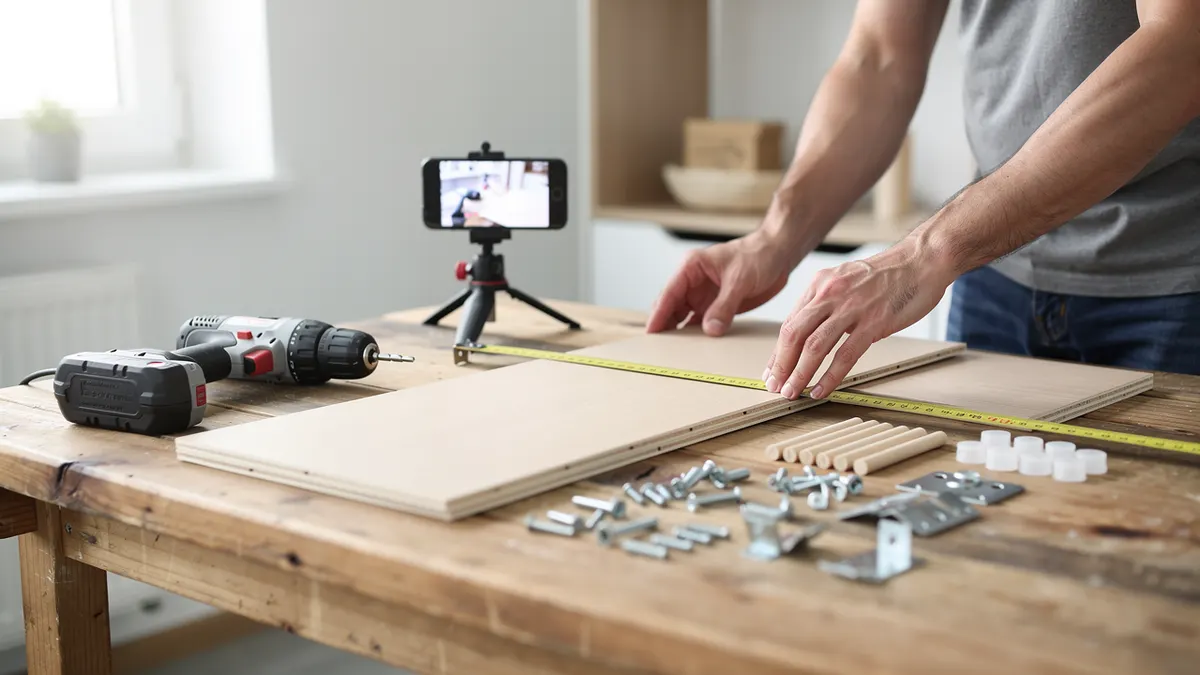
The real dimensions, said out loud and compared with a known object.
The person wearing or using the object, with their measurements or their context stated.
The material in close-up, filmed in natural light, with no filter.
The care: washing, drying, storing, and what it becomes afterwards.
And what is in the box, laid side by side.
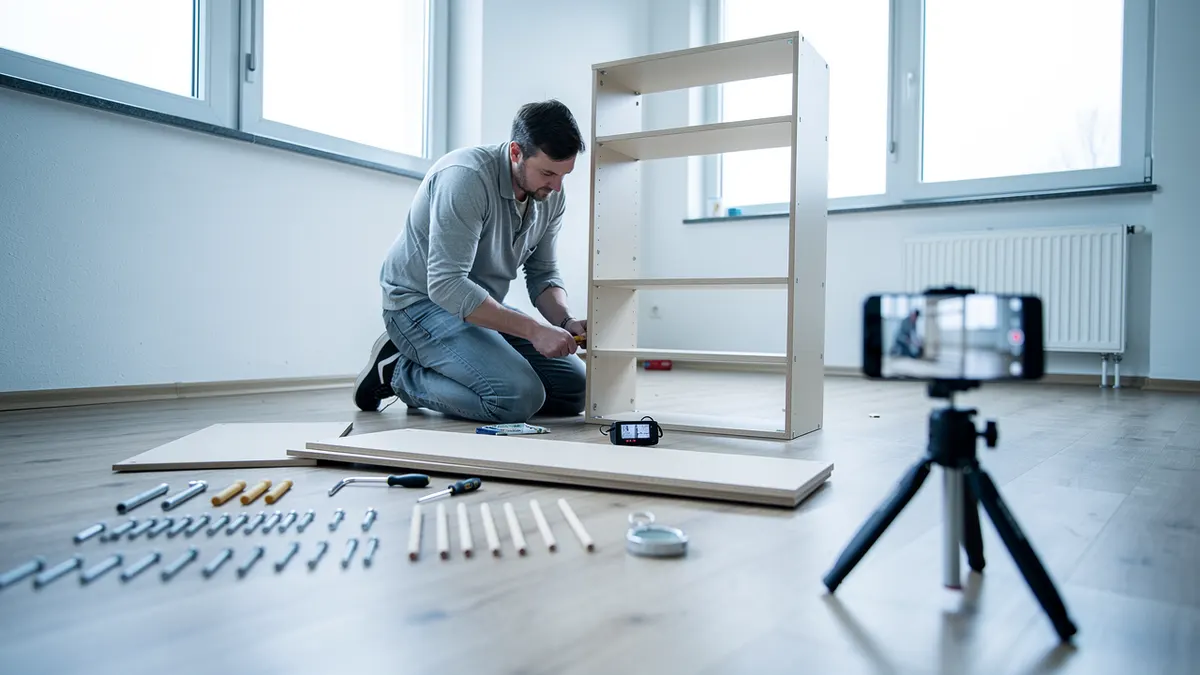
One shot to add in technical categories: the assembly or installation in real time, with the duration stated.
The formats that convert
Four formats, by return.
The comparison of two sizes or two variants, filmed in the same frame.
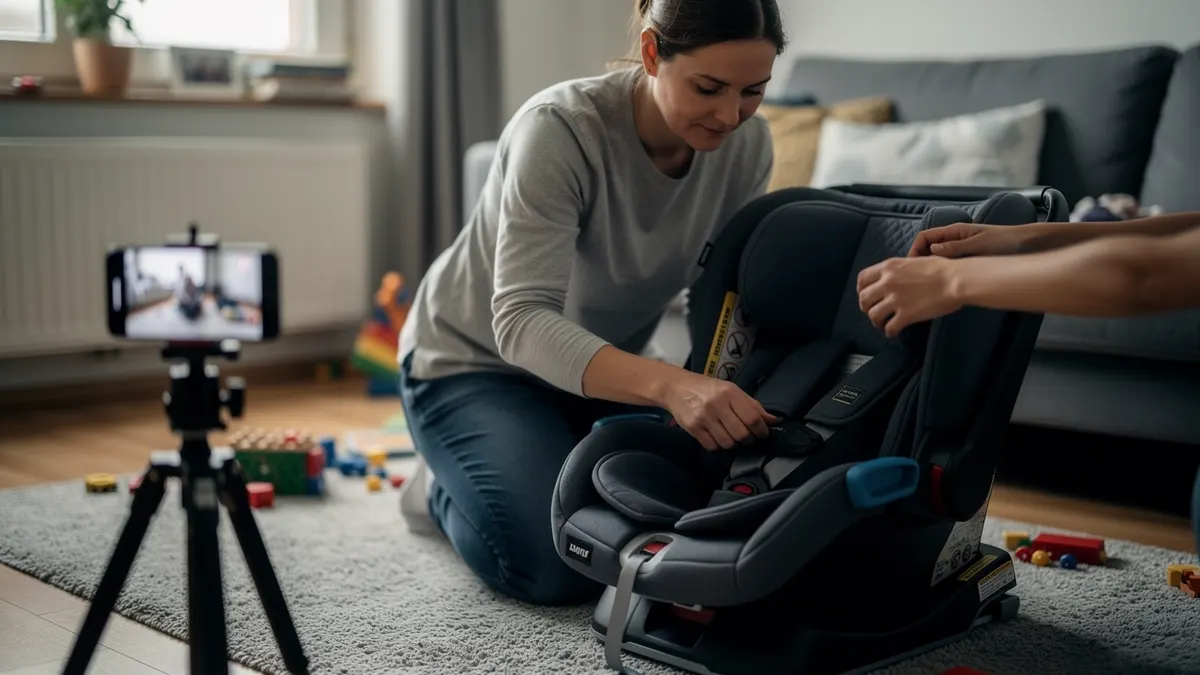
The demonstration of use in a real setting, with no staging.
The experience report after several weeks, answering the question of durability.
And the video answering a single objection, short, intended for the listing or for a message after ordering.
One format to avoid: the enthusiastic video with no information. It works badly here and it feeds precisely the multiple-order behaviour.
The most frequent mistake
Three versions.
Filming a glamorised product, with lighting and framing that do not match what the buyer will receive.
Avoiding the drawbacks: saying what the product does not do raises trust, and videos including an honest reservation often convert better.
And neglecting the advertising disclosure: it is said and shown in the video, and the applicable rules are checked with a lawyer before publication.
One fundamental note: in this market, restraint is not an aesthetic, it is a commercial argument. A video describing precisely is perceived as serious.
Where to place it
Four placements, in order of profitability.
On the product listing, in second position after the photos.
In the message following the order, to cut returns even before delivery.
In paid advertising, with two formats delivered separately.
And in the basket reminder, with a video answering the most frequent doubt about that reference.
What is most often missing from a product page
| Gap | What the video adds | Expected effect |
|---|---|---|
| Scale | The object held in hand | Fewer returns |
| Material | A close-up on the touch | Fewer questions |
| Assembly or setup | The gesture filmed in full | Fewer abandoned carts |
| The mandatory notices | The official text read on screen | Fewer complaints |
What you shoot for a whole catalogue
One set, one frame, a ten-second shot per reference. Thirty products fit in a day when nothing changes between takes.
What is checked before going live
The file name, the linked reference, the orientation, the weight, and the presence of the notices required by the sector, to be confirmed with a lawyer.
What is measured
Three indicators, in this order.
The return rate per reference, before and after the video goes live: that is the figure that decides.
The conversion rate of the listing, over four full weeks.
And the number of customer-service questions about the same reference, which drops when the video answers well.
One last, often counter-intuitive marker: in this market, a video selling slightly less but returning far less earns more. The margin is decided at the return, not at the click.