The 15th and 16th of September sell food, drink and gatherings. Here is what works and what reads as a borrowed flag.
What people actually do
Three moments, in chronological order.
The preparation, the day before and in the morning: the longest, the most filmable, and the least filmed.
The evening gathering, at home or in the street, with people arriving one after another.
And the following day, calmer, when what is left is finished and the house is tidied.
One production consequence: the video that works shows a home, not a public square. The official setting belongs to everybody, a family's kitchen belongs only to them.
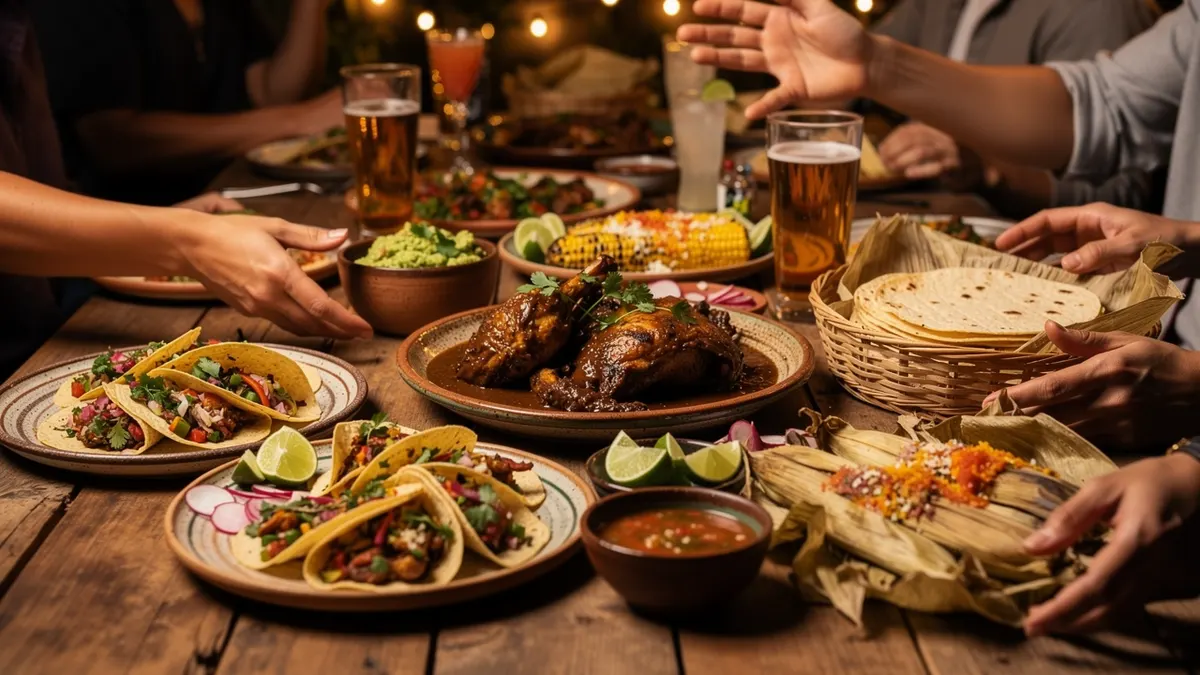
Regional cooking is the strongest angle
That is what separates a video shot there from a generic one.
The same dish changes name, ingredients and preparation depending on the region, and that detail is immediately recognised by the audience concerned.
Three ways to use it.
Name the region, in the first sentence.
Show the local variant rather than the version recognised everywhere.
And let the person cooking speak, not the person presenting.
One casting note: several profiles are worth more than one, because the country does not have one cuisine but several, and a single version excludes all the rest.
What actually sells
Four families carry these days.
The ingredients and the preparation: everything going into a shared dish.
The drinks, with the particular rules that come with them.
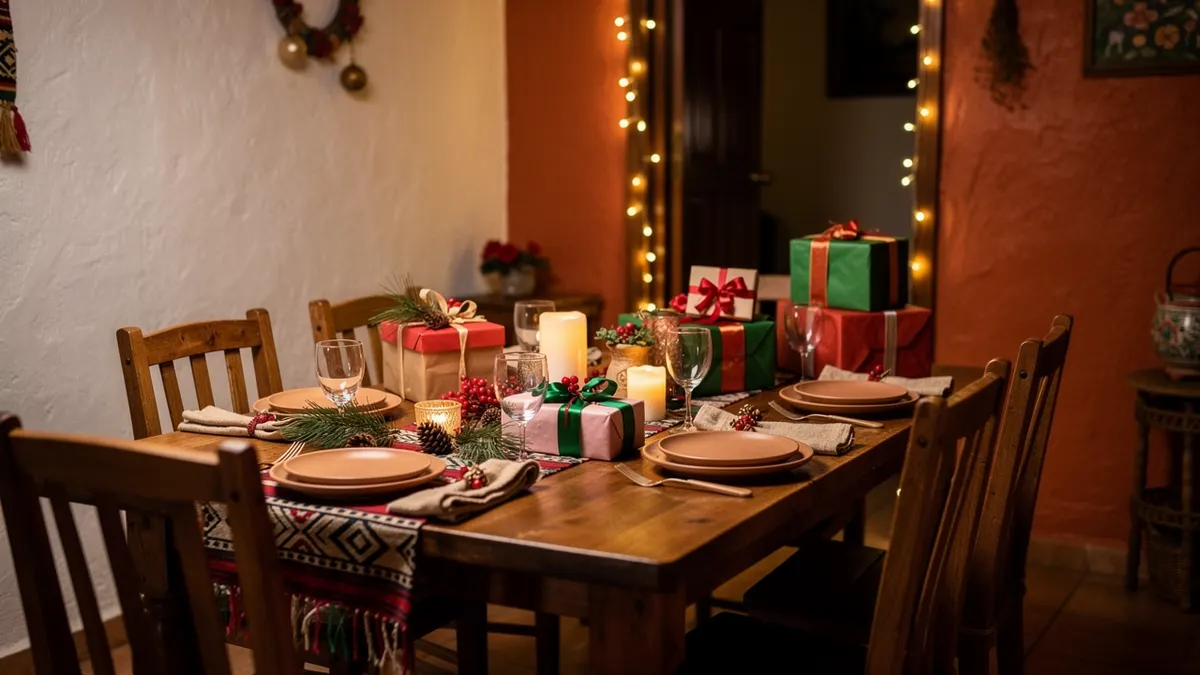
What hosting requires: crockery, cool box, chairs, outdoor lighting, a speaker.
And clothing, when it is genuinely worn and not treated as a costume.
Three categories that almost always fail: disposable decorative objects, products with no link to the celebration dressed in colours, and anything treating a national symbol as a graphic motif. The rules applicable to the use of national symbols are checked with a lawyer before publication.
Advertising for alcohol has its rules
That is the most exposed point in this category.
Three principles hold almost always.
No minor may appear in content linked to an alcoholic drink, neither in the foreground nor in the background.
The mandatory statements must appear in the form and for the duration provided.
And the content cannot associate consumption with driving, work, performance or social success.
Those elements, along with the permitted broadcasting times and channels, are checked with the competent authorities and with a lawyer before the shoot, never after.
Publish before the 14th
That is the calendar rule of the period.
Buying decisions are taken the week before: the shopping, the order, the booking, the list of what has to be bought.
Three consequences.
The content must be online at the latest a week before, not on the day.
The preparation videos are shot in August, when creators are available.
And the content from the day itself serves another purpose: it feeds the campaign's memory for the following year.
What is filmed with accuracy
| Element | What respects it | What jars |
|---|---|---|
| A national symbol | A sober shot, no repurposing | A decorative use |
| A tradition | The real gesture, filmed on site | A reconstructed set |
| A product | Its true place in the celebration | A dressing in the day's colours |
What is asked before filming
The consent of the people filmed, permission for the place, and the view of someone who lives the tradition on what the video shows and the words used.
What separates homage from opportunism
A product with a place in the celebration can appear. A product with no connection repainted in the season's colours is spotted immediately, and turns against the brand.
What is left afterwards
Two assets, produced with no extra effort.
The preparation footage, reusable all year for the food category, with no reference to the celebration.
And the next day's account: what was missing, what was bought in excess, what will be done differently. That is the video preparing next year's campaign, and it is shot in ten minutes while everybody tidies up.