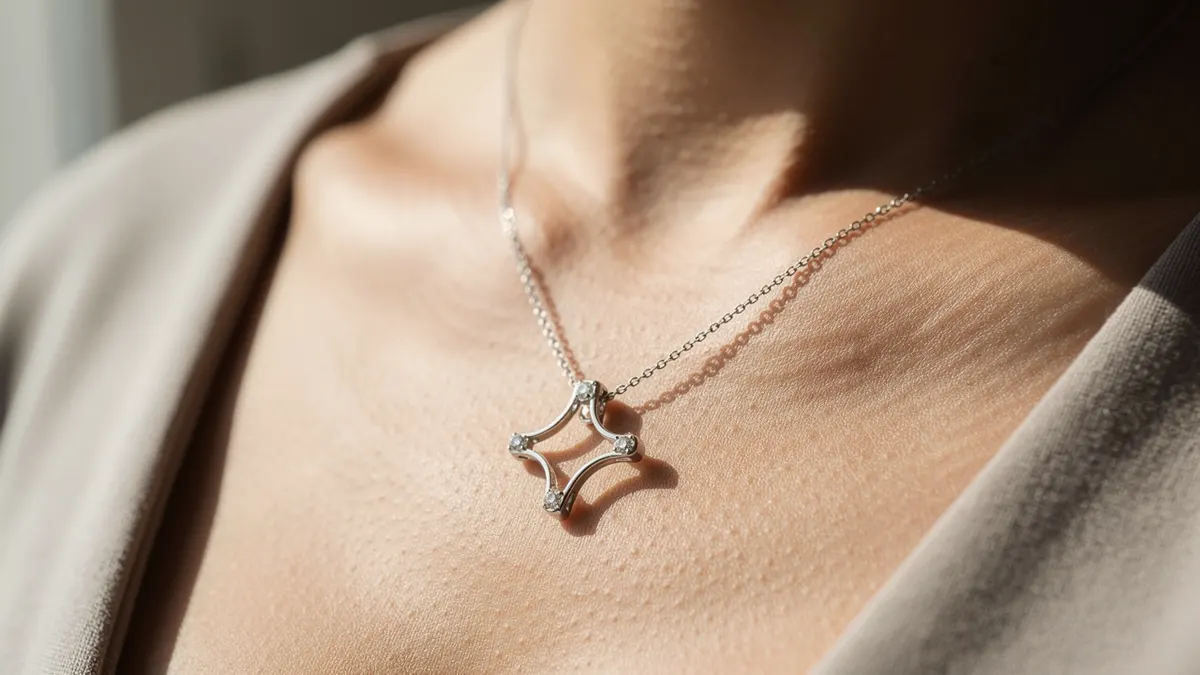
Jewellery is the category where photography lies most. Studio lighting transforms any metal, and the buyer knows it. Video converts precisely because it shows what the photo arranges.
In Spain two things decide the rest: the date, and what may be claimed.
The gift peak does not fall at Christmas
The gift season does not end on 25 December. The Three Kings on 6 January concentrate a significant share of gift purchases, and that date shifts the whole production calendar compared with the rest of Europe.
In practice, a campaign designed to stop at Christmas goes dark just as part of the buyers are beginning to decide. Pieces therefore have to cover the first week of January, and be commissioned in November at the latest.
The rest of the year follows its own dates: Mother's Day in spring, communions which concentrate lasting gifts, and the wedding season.
What can be said, and what is regulated
Statements about metal purity, hallmarks, stones and guarantees are not sales arguments like any other: they are regulated.
The consequence for a brief is simple. Give the creator the exact wording the brand uses on its product page, and forbid any variation. An approximate sentence in a video commits the company, not the person who said it. When in doubt about a formulation, the reference is the competent authority, never a competitor's communication.
That does not deprive the video of its strongest argument: showing. A hallmark filmed in close-up says what no sentence would be allowed to claim as quickly.
What actually converts
Worn on skin, in movement. Daylight, a wrist that moves, a chain that slides. It is the only way to show real size and how a piece falls.
Scale against a known object. A ring next to a finger, a chain on a hand. Cut-out photography makes everything look bigger, and a significant share of returns comes from that.
The finishing detail. The back of the piece, the clasp, the solder. That is what separates careful making from an anonymous import.
Layering. Two or three pieces worn together. It raises the basket with no sales effort.
Care. What tarnishes, what cleans, what can be repaired. A video answering those three sells better than one showing ten models, because it deals with what blocks.
Which creator to hire
Varied hands and skins, across the full range of tones. Metal does not read the same on every skin, and a brand showing only one leaves part of its audience without a reference.
Look too for the ability to film small: close-up, soft light, stable focus. It is a precise technique, and it can be verified in ten seconds from a previous example.
How to make a small object look big
Seven moves for close-up work.
A fixed support instead of a free hand.
A distance that holds the focus.
Soft side light instead of a flash.
A background in a single colour.
A slow move that reveals the sparkle.
An object for scale comparison.
And a cleaning cloth between two takes.
What each shot must settle
| Shot | The doubt it removes | Length |
|---|---|---|
| Hand in movement | The real size on skin | 8 s |
| Clasp handled | Whether it closes alone | 6 s |
| Fixed daylight | The colour of the metal | 5 s |
What is cleaned before every take
The metal, the nails, the background, the lens: a fingerprint shows more than an editing flaw.
What is checked after the shoot
Sharpness on the stone, colour fidelity and the absence of the camera's reflection.
The brief that produces usable material
Give the exact material, the weight, the dimensions, the care instructions, what is guaranteed, the authorised wording for the regulated statements, three possible openings.
Ask for shots with no face on a neutral background: those are the ones that go on to the product page and short ads, and they cost nothing to capture in the same session.
And allow for more takes than in other categories. A small shiny piece demands patience to get a clean image, and that has to appear in both the deadline and the price.