It is a small market, spread across five families of buyers, two of which pay in another currency. Its size is both a drawback and an advantage.
Who buys creator video
Five families, with very different budgets and rhythms.
Tourism and hospitality
That is the first buyer, and the most seasonal. Hotels, lodges, activity operators, inbound agencies: they buy before the season, never during, and they need content reusable from one year to the next.
Service companies and free-zone businesses
They recruit, communicate in English, and often address a parent company abroad. Their needs are less visible and much better paid: recruitment, team presentation, service explanation.
Local retail and online selling
The volume is small, the frequency high. These are the clients who come back every month, provided the price matches the size of their business.
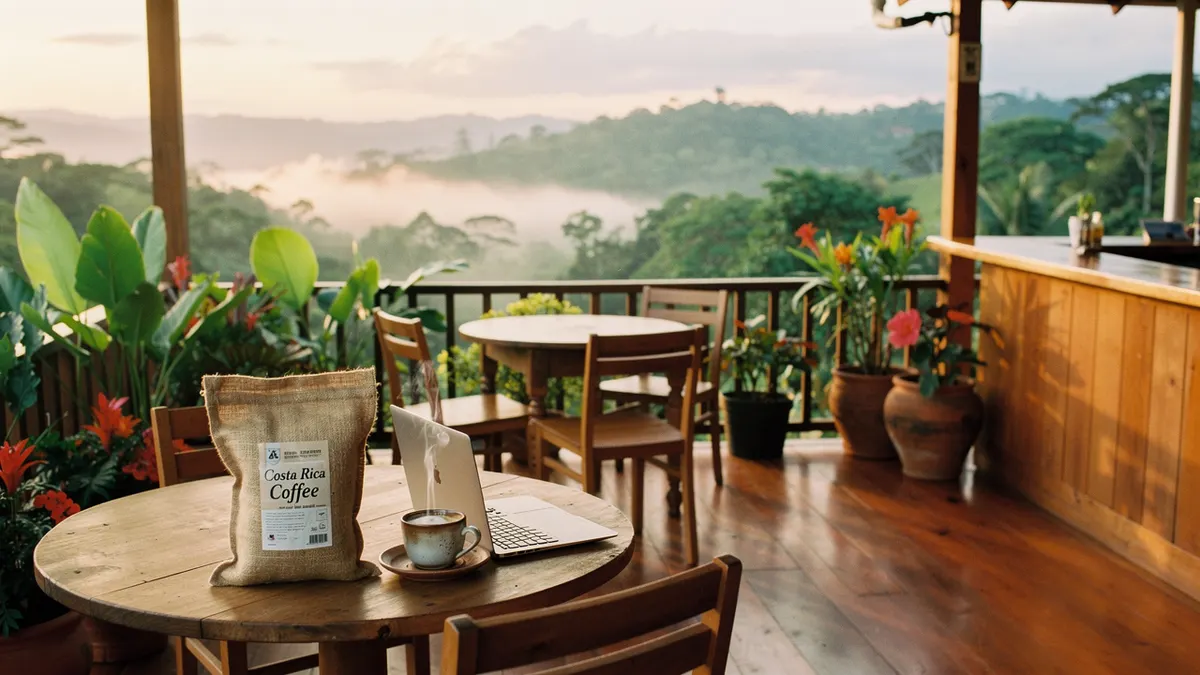
Agricultural export and coffee
An underserved sector, with a real subject to film: origin, the gesture, traceability. The final buyers are often foreign, which changes the language and the budget.
Health, wellbeing and aesthetics
Regular demand, with a strong constraint: claims about results, treatments and health are regulated, and what may be said depends on your situation and is checked with a lawyer before the shoot.
Why the currency changes the rules
Two markets coexist, and they are not negotiated the same way.
Part of the buyers think in foreign currency: exporting companies, tourism, clients based outside the country. Budgets there are higher and format expectations more precise.
The other part thinks in local currency, with tight budgets and a need for proximity.
The practical consequence is simple: two price lists, two ways of talking, and a clear invoicing rule on currency, transfer fees and payment terms, checked with an accountant before the first invoice.
Seasonality commands
The calendar does not follow the months, it follows the tourist seasons and the agricultural cycles.
Campaigns are shot before the high season, which puts the busy weeks out of step with the visible activity. Many creators discover too late that they are free when everybody is working and overloaded when the hotels are empty.
Two consequences. Plan your shoots against the public calendar. And keep a share of clients whose activity does not depend on the local season.
The size of the market is also its opportunity
Few buyers, but little serious competition.
A creator who delivers in the requested format, on the announced date, with a correct invoice, quickly becomes known in their category, because the number of people doing that is small.
It is also a market where reputation travels fast, in both directions. A delay gets known, and so does clean work.
What the market asks for, by type of brand
| Buyer | What they order | What they pay extra for |
|---|---|---|
| Hospitality and tourism | Location and experience shots | Travel |
| Online retail | Short variants | Exclusivity |
| Local service | Simple speaking to camera | Shooting on site |
What weighs on prices here
The number of creators available in a category, the tourist season, and the presence of foreign buyers comparing with their own market.
What is still missing and sells well
Creators who film in two languages, those able to deliver in under five days, and those who accept shoots outside the capital.
What that implies if you are starting today
Three decisions, in order.
Choose one of the five families above, the one whose setting or context you already have.
Film three examples of the same kind, and file them somewhere visible without signing up, with the deliverable description explained in the box.
Then write to ten buyers in that family, offering a small dated order rather than a meeting. In this market, a concrete proposal gets an answer where a presentation gets none.