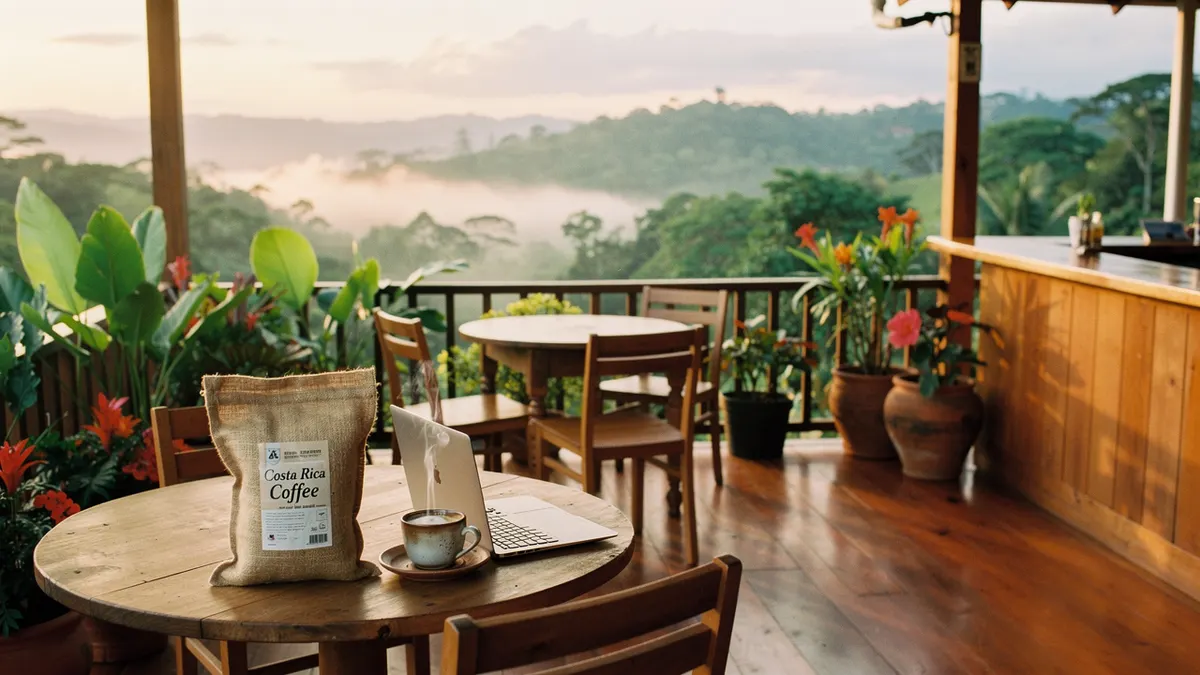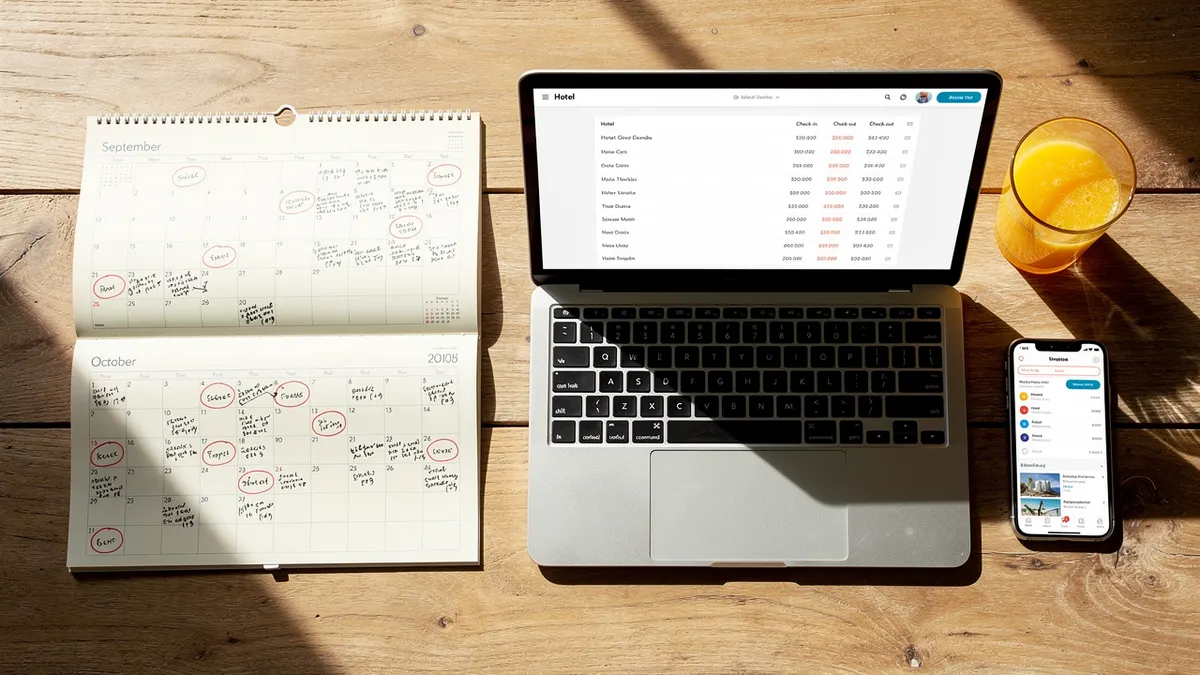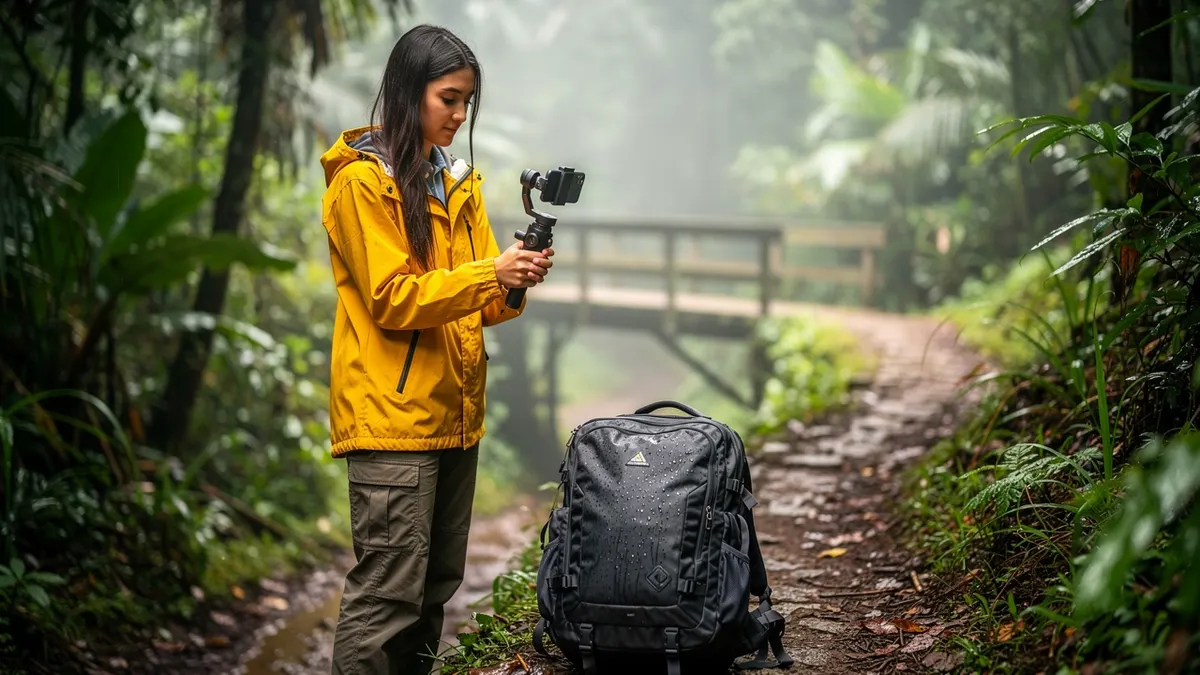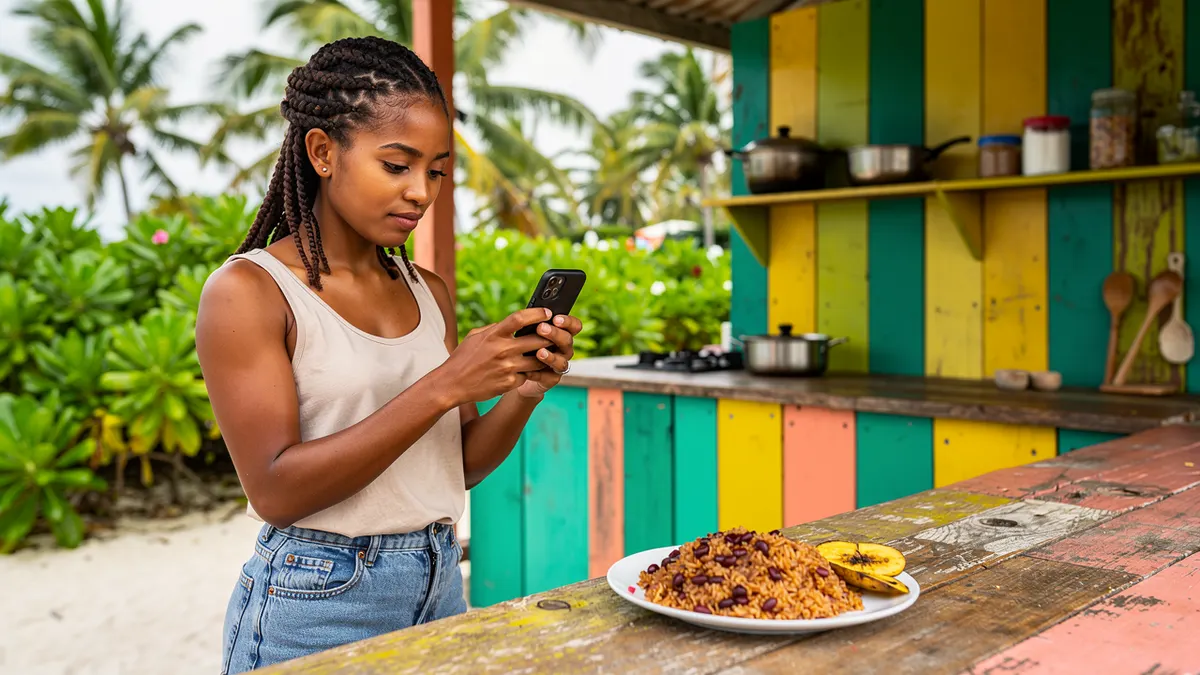
Afro-Caribbean culture, a commercial port and a tourist route unlike any other in the country: what brands pay for these images.
Port, agriculture and the Caribbean
Six client families.
Port and logistics companies.
Agricultural exporters.
Accommodation and tourism operators.
Restaurants and shops.
Cultural and community organisations.
And schools and training centres.
What they order
Six frequent formats.
A venue or accommodation presentation.
A video of an agricultural production.
Cultural or event content.
A team or producer testimonial.
Festival coverage.
And a short series for social media.
What a brand looks for in these images
Six expectations behind an order.
A place the audience has not already seen everywhere.
People who look like their customers.
A light impossible to reproduce in a studio.
A setting that tells an origin.
An ambient sound worth keeping in the edit.
And proof that the brand actually came.
Selling what exists only here
Seven angles an outside crew never gets.
A language and a music that cannot be imitated.
A cuisine with its own gestures.
Routes only local people know.
A relationship to time that changes the rhythm of the images.
People who speak without freezing in front of the camera.
Access obtained through trust, not through a budget.
And knowing the hours at which each place works.
Filming in rain and humidity
Six essential precautions.
Protect the gear at all times.
Carry desiccant sachets in the bag.
Clean and dry the lenses after every outing.
Plan an indoor alternative every day.
Back up the files twice before heading home.
And announce a window rather than an hour.
How to plan a week of shooting here
Seven steps that save the schedule.
Book the outdoor days at the start of the week.
Keep one indoor subject ready for each day.
Charge every battery the night before.
Confirm each appointment the morning of.
Shoot the hardest location first.
Back up before every move.
And keep the last day free for what the rain took.
Coastal tourism
Six possible clients.
Accommodation and ecolodges.
Guides and excursion providers.
Sports schools and equipment rentals.
Beach restaurants and bars.
Transport companies and shuttles.
And tour organisers.
What to ask before filming
Six agreements to obtain.
Permission from the manager of the place.
Written consent from the people filmed.
Consent for commercial release.
The rules applying in a protected area.
The conditions for access to private property.
And the client's approval before release.
How to build a price here
Six lines to show.
Preparation and location scouting.
The real time on site, travel included.
The fee of the people taking part.
The number of revisions included.
The rights line, with duration and territory.
And the option of an English version.
What a Caribbean province orders
| The buyer | Their typical order | Their window |
|---|---|---|
| A nature lodge | The place and the access | The relatively dry season |
| An agricultural producer | The harvest and the shipping | The production season |
| A town business | The product and the atmosphere | All year |
What constant humidity imposes
Storing the kit with a desiccant and taking it out of the bag gradually. Lens fog costs the first twenty minutes of a session to anyone who did not anticipate it.
What makes a nature video sellable
Showing the access and the logistics, not just the landscape. A buyer selling a stay needs to reassure: the road, the arrival, the room, in that order, are worth more than an aerial shot.
What the platform brings
On UGC MATCH, joining is free and there is no subscription: you are visible by category and country, and the order keeps a record of the brief and the delivery. The brand pays at ordering, the funds are not released straight away, and payment goes out on approval. The platform retains 10% of the price on the creator side, who therefore keeps 90%, and charges the brand a 6% service fee, with a minimum of 1.50 EUR.
One last marker: your advantage here is not your gear, it is your book of human contacts. It cannot be copied and it does get paid.