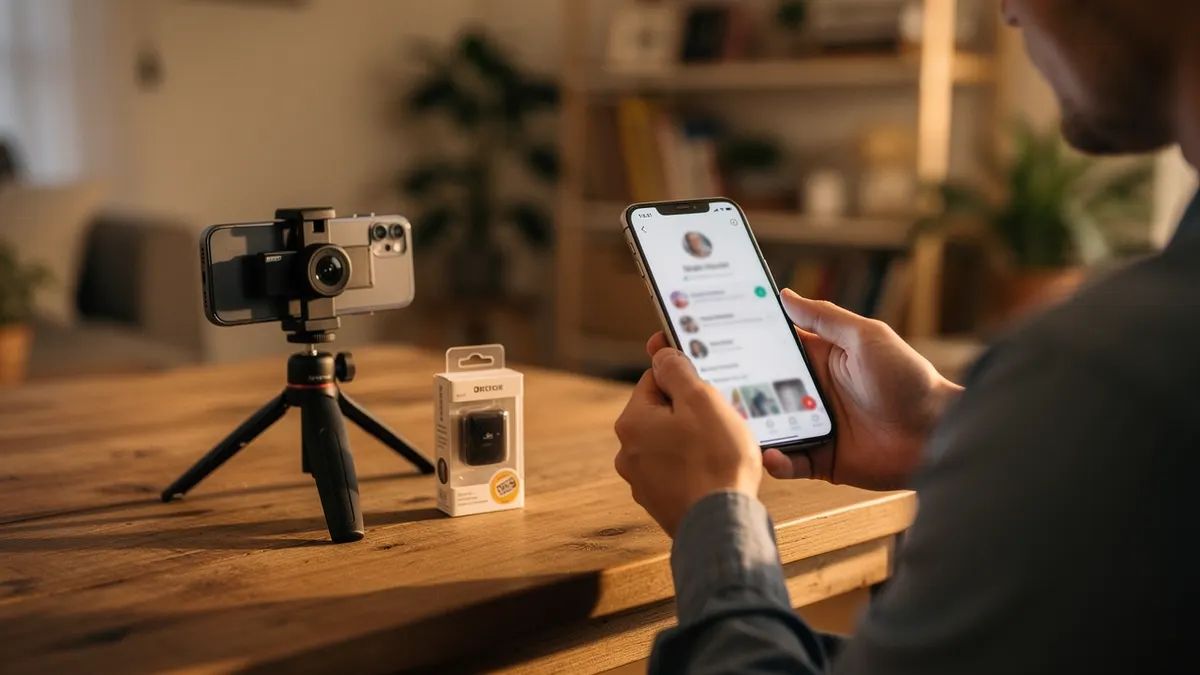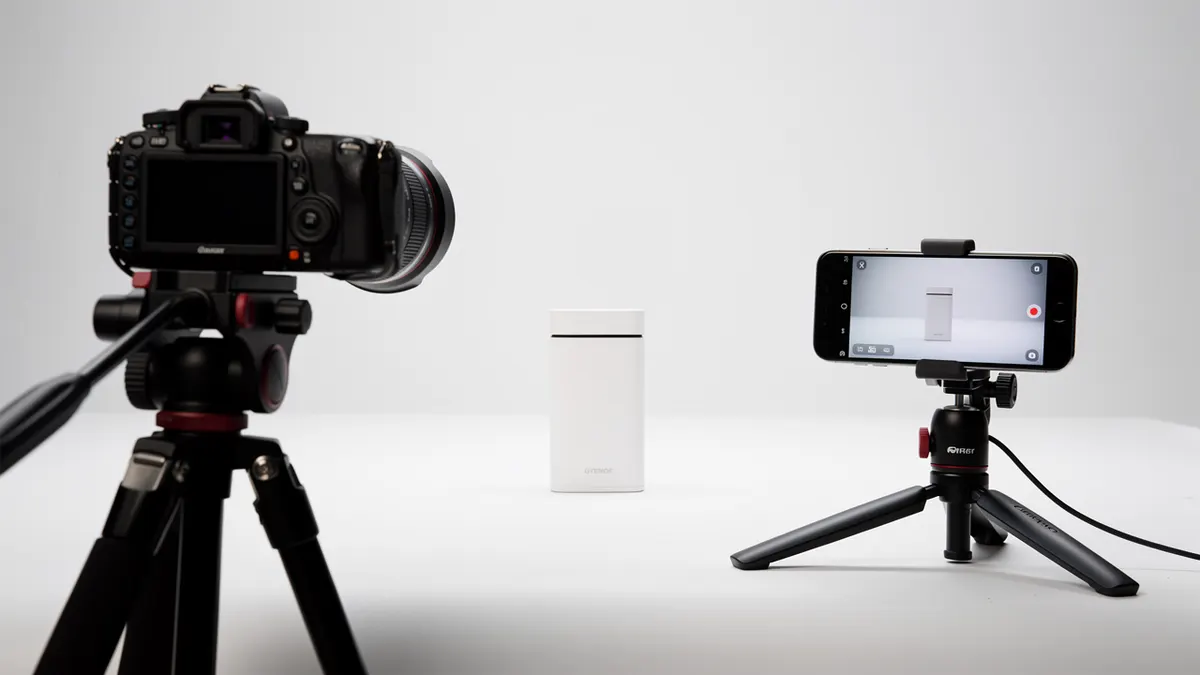
The owner pays, but the animal provides the proof. It is the only category where half the cast follows no instruction, and that entirely changes how a shoot is prepared.
Refusal makes acceptance credible
That is the counter-intuitive principle of this category.
A video where the animal accepts everything, immediately and enthusiastically, reads as an edit. The audience of this category is made of people living with a difficult animal.
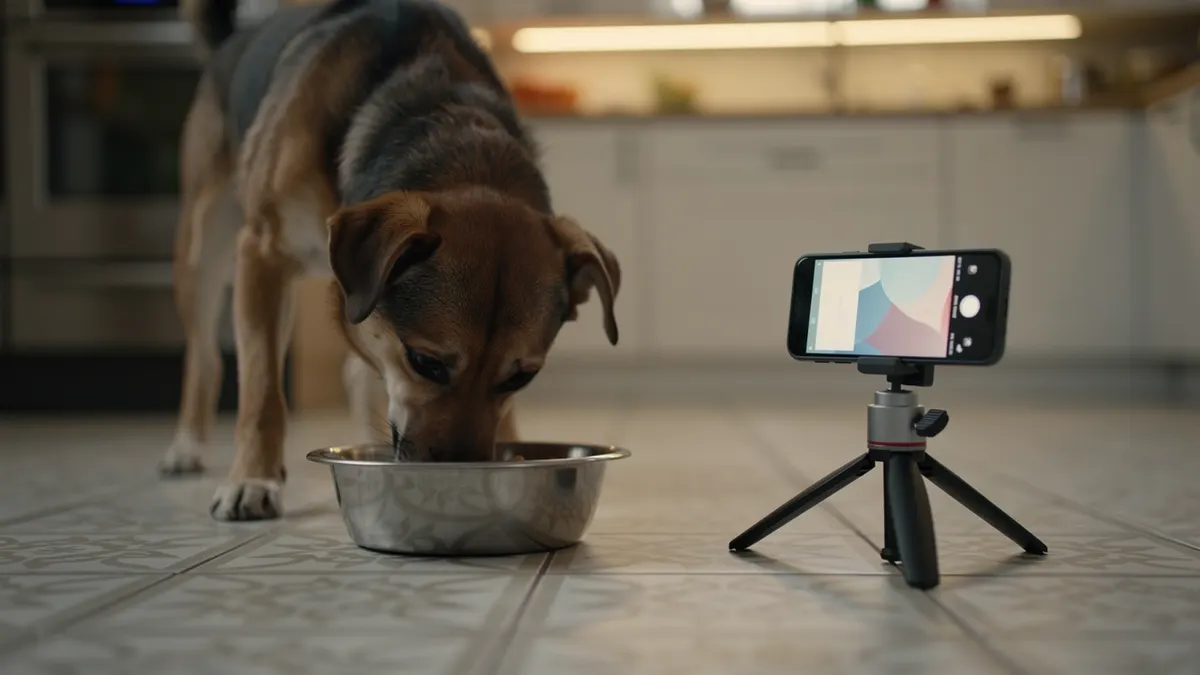
So show the first hesitant sniff, the step back, the second approach. That is what makes the third image, the one where the animal eats, credible.
The same principle applies to a toy, a harness, a carrier or a brush.
Owners watch for safety, not cuteness
That is what brands understand latest.
A heart-warming video makes people smile; it does not make them buy. What makes them buy is the answer to concrete worries.
Five points come back systematically: the real size relative to the animal, the strength of the seams and fastenings, the composition and origin, the ease of cleaning, and what happens when the animal pulls, bites or scratches.
Film those five points explicitly. They are the same questions asked in the comments, every time.
The living context matters
That is the local point, and it is more decisive than elsewhere.
Living conditions vary enormously: a city flat, a house with a patio, an animal that goes out freely, constant heat, dust, distances to the clinic.
A video shot in an immaculate air-conditioned interior does not speak to an audience whose animal spends the day in a patio at thirty degrees.
So show the real context: the tiled floor, the terrace, the street, the hot hour. And adapt the advice to that reality, particularly on water, shade and walking times.
Plan for unusable footage
That is a production rule, and it has a price.
An animal shoot takes about twice as long as an equivalent product shoot, because the animal sets the pace.
Three practical consequences. Plan the session in two parts, with a break. Film continuously rather than in short takes, cutting in the edit. And systematically keep a human hand in the frame to give scale.
Invoice that time. A brand comparing an animal quote with a product quote without knowing refuses for the wrong reason.
What is filmed with an animal, and how
| Subject | The shot | The constraint |
|---|---|---|
| A bowl or a toy | The animal approaching on its own | No forced staging |
| A harness | The fitting, hands visible | A calm animal, not restrained |
| A care product | The gesture, not the result | No veterinary claim |
What is prepared before pressing record
Short takes, a treat within reach, a place the animal knows, and accepting that a session lasts ten minutes, not two hours.
What is referred to the vet
A dose, a symptom, a change of diet or any claimed health effect. The video shows the use and points to the professional, to be confirmed with a vet.
The shot that sells most
One only, and it lasts three seconds.
The animal and the product in the same image, with no cut, with the owner visible in the background.
That shot answers size, safety and real use in one go, and it is the one later reused on the product page.
Add, when possible, the same image two weeks apart. It is the cheapest and most convincing proof of use in the category.