What fills the tables on a Tuesday, which creators to hire locally, and the formats that beat a photo of a dish.
What really fills the tables
Four formats, by return.
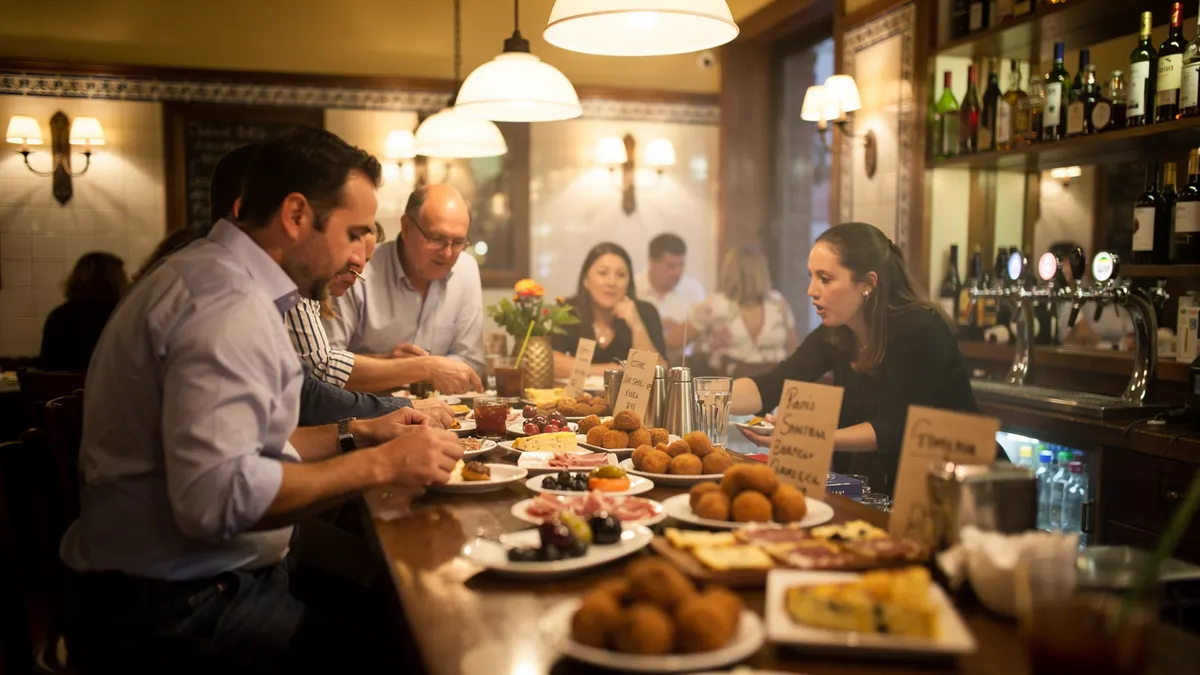
The dish of the day filmed at the hour it is served, with its price said out loud.
The empty, lit room, showing the place as it really is, with no staging.
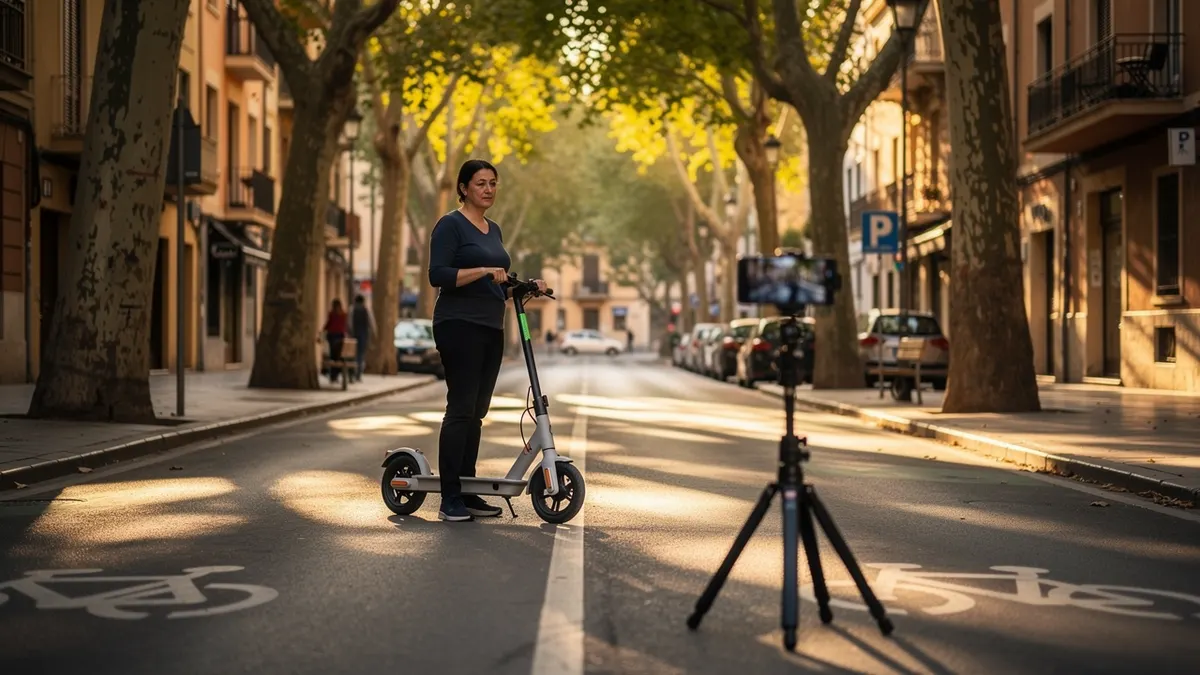
The journey from a landmark known in the neighbourhood, in one continuous shot.
And the answer to the objection: booking, waiting, parking, terrace, accessibility.
One format that pleases but fills nothing: the close-up of a dish set to music. It looks like every other video in the category and says neither where nor when nor how much.
Which creators to hire
Three criteria, in this order.
Somebody from the neighbourhood or the town, able to name the landmarks and speak like the target audience.
A local audience, even a small one: a thousand people living ten minutes away are worth more than a hundred thousand scattered.
And ease with filming in dimly lit interiors, which is the sector's main technical constraint.
One clarification that counts: the regional accent is an asset. A voice that sounds local makes the address credible more surely than neutral diction.
The format almost nobody uses
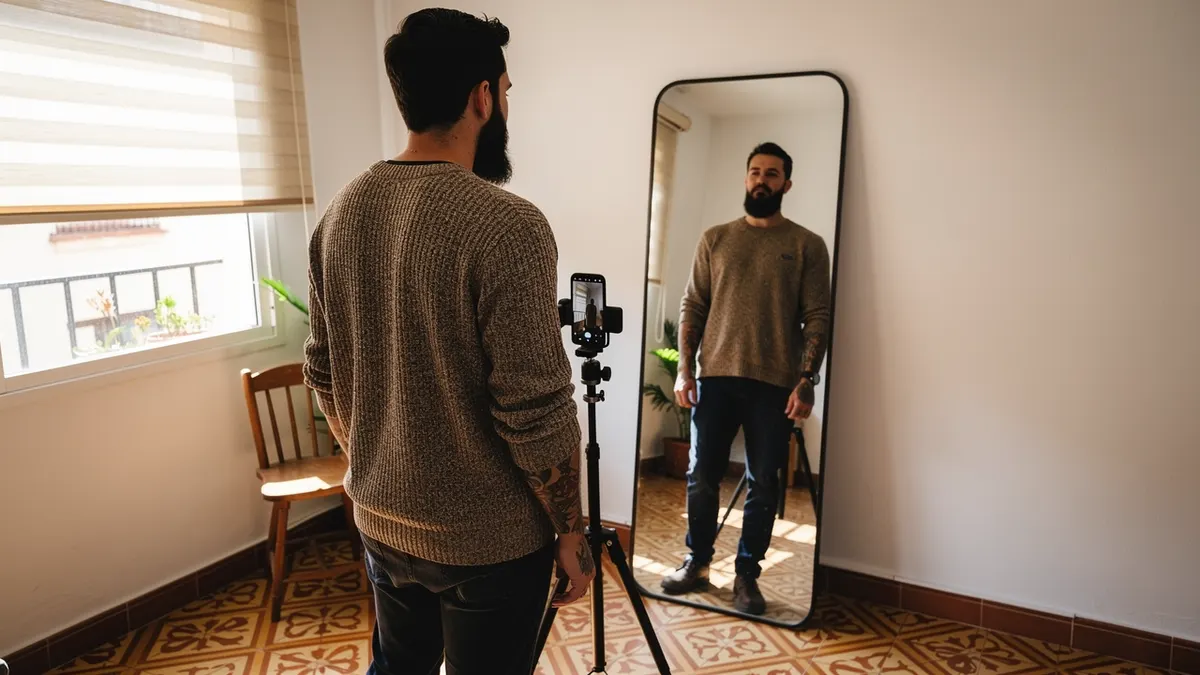
The staff video, filmed before service.
Three reasons why it works.
It shows people, which immediately distinguishes an establishment from a chain.
It is shot in ten minutes, with no customers in frame, therefore with no permission question.
And it serves twice: in local advertising, and as a recruitment notice, in a sector where finding staff is a permanent problem.
One condition to respect: written permission from the people filmed, with the same end date as the usage rights.
The brief producing good material
Five instructions are enough.
The name and address legible on screen, at least once.
The hours and the closing day, said out loud.
The entry-level price, when it is an argument.
What not to film: the kitchen if it is not presentable, customers without agreement, displayed documents.
And one single expected action: book, call or drop in.
One constant precaution: recognisable people come under image rights, including at the back of the room, and their agreement is signed on the day.
What a restaurant orders out of season
Six occasions outside the rush.
A new menu that needs explaining.
A weekday lunch offer.
A room let out for private events.
Recruiting floor staff.
A delivery service just starting.
And evidence that answers a bad review.
What is filmed during service
| Moment | The shot | The constraint |
|---|---|---|
| The preparation | The gesture in the kitchen, close-up | Hygiene and clothing |
| The plate | From above, in natural light | Two minutes before it goes cold |
| The terrace | A wide shot with no faces | The customers' consent |
What is agreed before arriving
The slot outside service, the chef's consent, the table by the window and the list of dishes available that day. Filming during the rush yields nothing usable.
What is checked on the menu
The displayed prices, the allergens and the availability of the dishes shown. A video promoting a dish taken off the menu annoys the customer who travels for it.
The Spanish calendar
Four moments that shift demand.
Local meal times, very different from those of neighbouring markets: a video published at noon for a service starting at two arrives too early.
Summer, when life moves to the terrace and to later hours.
Local festivities, which fill each town's calendar and whose dates are not national.
And the September return, the moment weekday habits resume.
One arrangement that works: three videos per quarter, shot on the same day. The first shows the place, the second answers the main objection, the third pushes a quiet slot.
One last marker, more useful than the view count: measure bookings, calls and route searches in the ten days following publication. That is the only figure distinguishing a video people like from a video that fills a room on a Tuesday evening.
Sources
- Agencia Tributaria, Spanish tax authority
- Spanish Social Security, self-employed registration (RETA)
- AUTOCONTROL, Spanish advertising self-regulation
Checked on 4 September 2026. Thresholds and rates change: where this guide and the official source disagree, the official source is right.