A traveller is not looking to dream, they are looking not to make a mistake. That is why the most useful video is also the least flattering.
What the traveller actually wants to see
Five answers, and none of them is a drone shot.
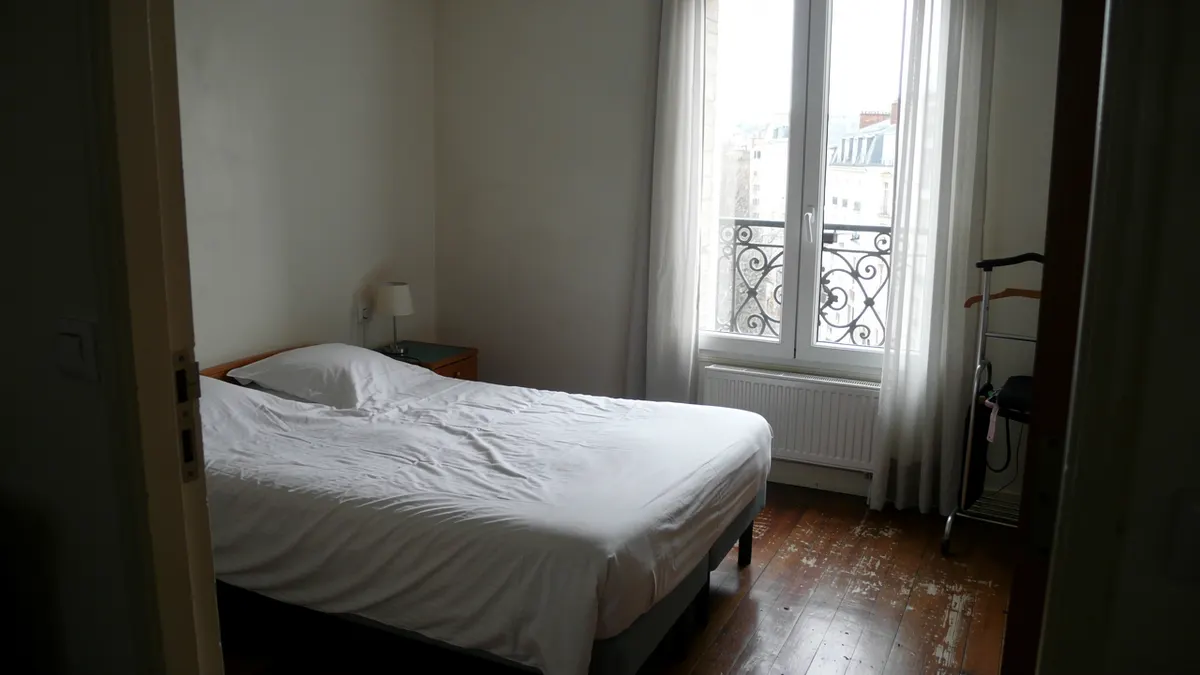
The real room, without a wide angle, filmed continuously from the door. A room shown on a wide angle always disappoints on arrival, and the disappointment turns into a review.
The real distance to transport, walked in real time, with a stopwatch on screen. "Ten minutes from the centre" means nothing; a filmed walk does.
The stairs and accessibility: number of steps, width of doorways, lift or not, threshold at the entrance. It is the most requested and least supplied information in the whole category.
The noise, recorded from the window at three different moments, with the hour shown.
And the account of somebody who was hesitating, explaining what decided them.
Which creators to hire
Methodical people, not landscape photographers.
This category asks for neither style nor music. It asks for a steady hand, a slow pace, a consistent order from one visit to the next, and the discipline to show what is not flattering.
Check three things in their work: do they film continuously, do they keep the live sound, do they show ordinary places and not only exceptional addresses.
How to buy content that lasts
That is the point that separates spending from investing.
A travel video serves for two to three years if it shows no price, no promotion and no dated element. So buy it with a long, written licence, covering the property's own site, the booking platforms and paid advertising.
And always ask for the source file with no burnt-in text: that is what allows reuse without paying for another shoot.
The brief that produces good material
Short, and identical from one place to the next.
Imposed order of sequences, length, hour of the shoot, the five answers above, and the list of what must not appear: identifiable guests without agreement, staff who do not want to be filmed, security arrangements.
The obligations on indicating the commercial nature of the collaboration depend on the channel and the agreement and are checked before going live. Statements about prices, availability, ratings and labels come from the property's approved documentation.
What this sector orders
| The buyer | Their typical order | Their window |
|---|---|---|
| An accommodation | The room, the view, the welcome | Before the booking season |
| An activity operator | The departure and the experience | The high season |
| A tourist board or destination | The place and the access | A year before the campaign |
What the booking calendar imposes
Images must exist before people book, so out of season. A video shot at peak time arrives too late for the current year and serves the next, which is said to the client before invoicing.
What actually reassures a traveller
The access and the reality of the place. The road, the arrival, the room as it is: those three shots convert better than a panorama, because they answer the question the buyer is asking.
The French calendar
It is more spread out than people think.
Summer bookings are decided in spring, school holidays create four peaks through the year, the May long weekends fill short breaks, and autumn carries city weekends.
So shoot each season while it is happening, a year ahead, and keep the November sequence to sell it the following October, when nobody else will have it.