A stranger gave money, and a fraction of it becomes your fee. That single fact changes the film, the quote, and what you can be asked to shoot.
The viewer receives nothing
That is the structural difference from any other commission: the person watching is not going to buy a product, they are going to give money and get nothing in return. So the video cannot rely on a benefit to the viewer; it has to make visible what the donation produces for somebody else, which is a different and harder exercise.
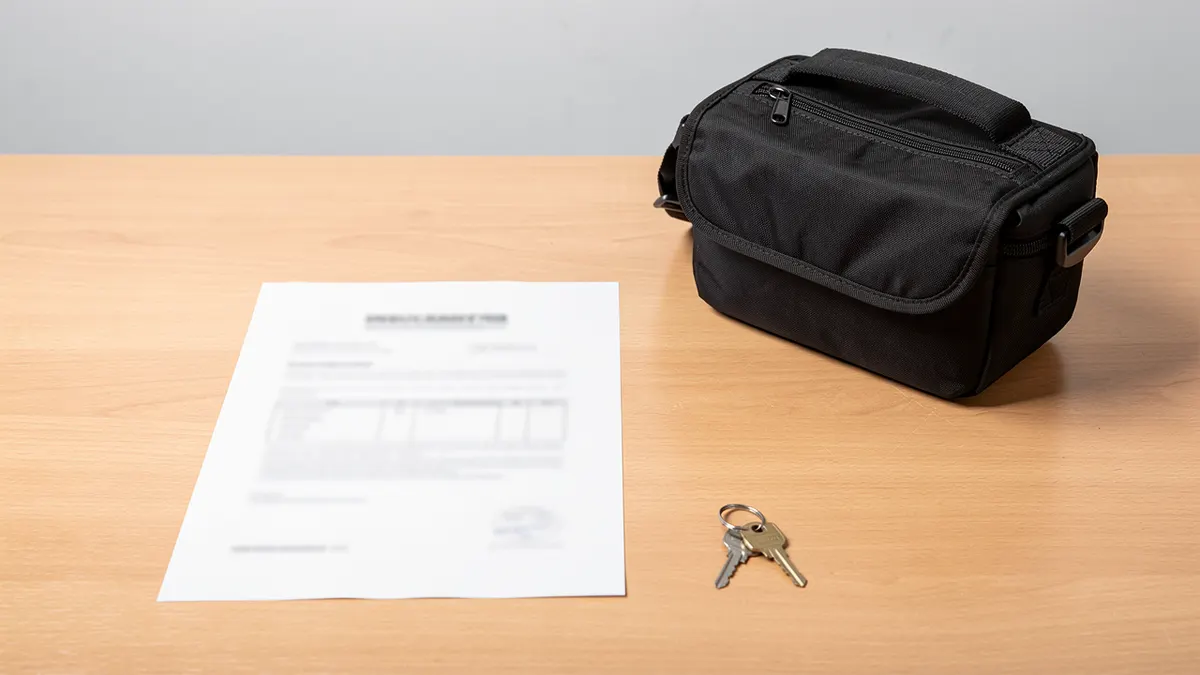
Your fee is money that has been spent
Do not quietly lower your rate
That is the most frequent reflex, and it always backfires. A silent discount creates an expectation for the next assignment, and it deprives the organisation of useful information: the real price of what it is ordering. If you want to support the cause, do it explicitly, on a separate line, with an amount. The discount then becomes a visible gift, which is exactly what this sector knows how to value.
The person in front of the camera
Who obtained consent
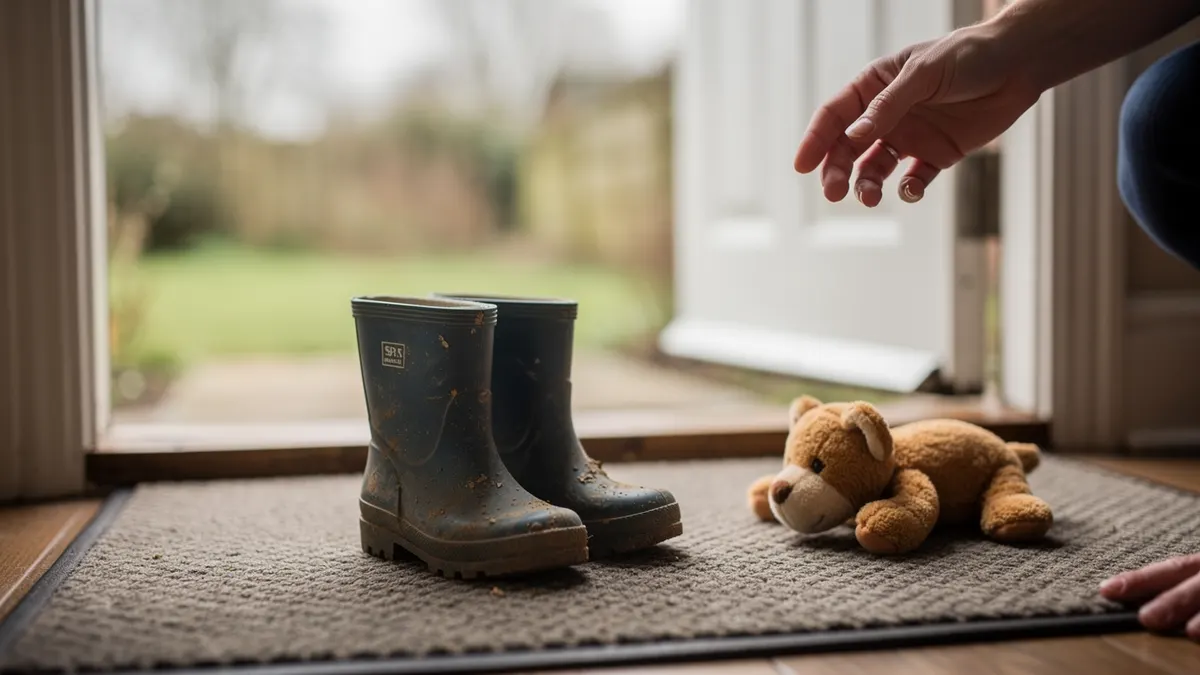
That is the first question to ask, even before the dates. Somebody receiving help is not in the same position as a paid creator, and consent has to come from a process internal to the organisation, not from a verbal agreement obtained on the day of the shoot. This remains general information and is checked with a lawyer.
What happens if they change their mind
Seven points to write down before filming.
Who can request removal, and from whom.
The actual removal time, in days.
The media covered by that removal.
What happens to copies already shared.
The planned distribution period, with an end date.
The right to refuse a second release.
And the person responsible for these requests within the organisation.
What you will not film
Six situations to rule out, whatever the budget.
An identifiable child with no written agreement from the legal guardian.
Somebody in visible distress.
A place that makes a home identifiable.
A medical or administrative document readable on screen.
Somebody who did not understand what they were consenting to.
And any staging that worsens the situation shown.
How to prepare a sensitive shoot
Seven precautions, taken before the day itself.
Visiting the place beforehand, or seeing photographs of it.
Agreeing a stop signal, known to everybody.
Arranging for somebody from the organisation to be present throughout.
Keeping the crew to the strict minimum.
Telling the people present the time and the duration.
Providing a fallback plan if somebody withdraws.
And arriving an hour early, so the camera becomes ordinary.
The questions to ask before saying yes
Six questions, from the first exchange.
Who appears on camera, and in what capacity.
Who approved the presence of those people.
What will be released, and for how long.
Who approves the final edit.
What happens if somebody asks for removal.
And what the real budget is, before any discussion of rates.
What you can put in your portfolio
Six rules, to write into the quote.
Asking permission to show the video, from the outset.
Never showing somebody receiving help without specific agreement.
Preferring shots of places and work to shots of faces.
Removing the video from the portfolio if removal is requested.
Stating the context, which values the work more highly.
And keeping a written record of every permission.
What the organisation has to check, not you
Seven checks that belong to them, to be stated in writing.
The compliance of the consent obtained.
The rules applicable to fundraising.
The mandatory mentions on the materials.
The accuracy of the figures put forward.
The protection of vulnerable people.
The filming permissions for the places concerned.
And the final approval of the content before release.
What works in this sector
Seven content choices, all more effective than an emotional appeal.
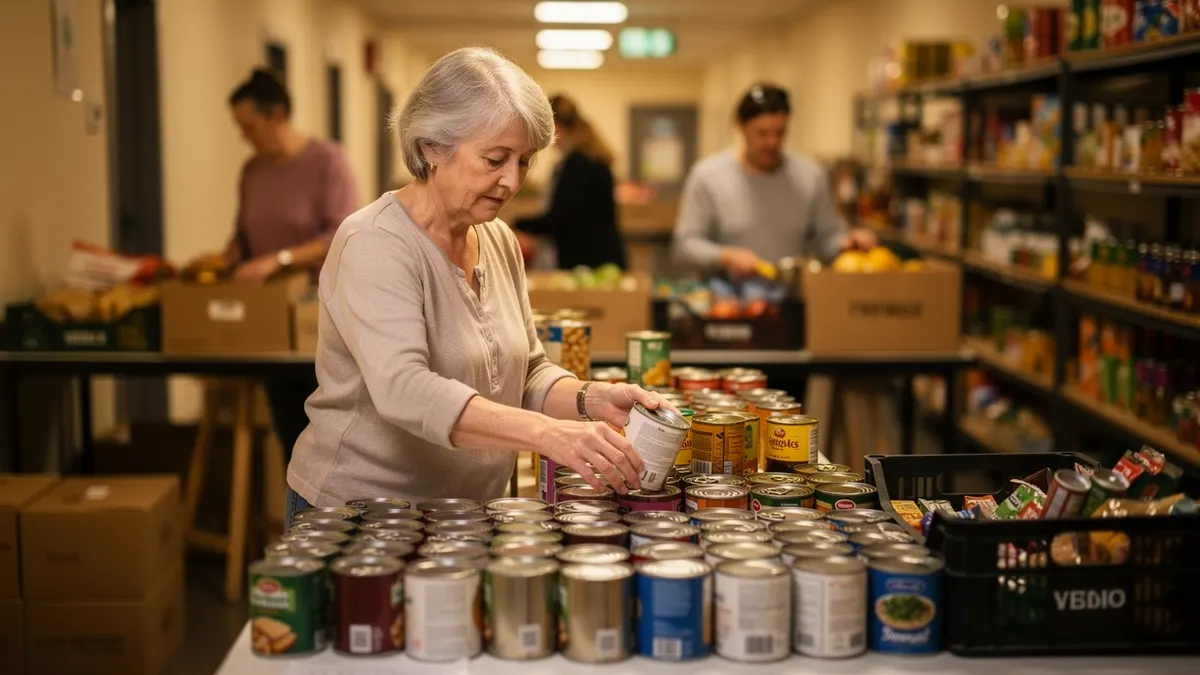
The precise journey of a given sum, explained simply.
The concrete act the donation makes possible.
The person doing the work, rather than the one receiving help.
The place, filmed with no dramatisation.
The measurable result, where it exists.
The thank you addressed to existing donors.
And what comes next, what remains to be done, rather than permanent urgency.
What to deliver at the end
Five items, in addition to the videos.
The files in the agreed formats, simply named.
The list of people visible, with the date of their consent.
The licence end date, written in the message.
The rushes, if the licence includes them.
And the procedure to follow if removal is requested.
Landing the first assignment
Six approaches, from the most effective to the slowest.
Writing to small local organisations, which decide quickly.
Offering a single video, not a campaign.
Showing an example shot in a similar context.
Giving a clear price in the first message.
Accepting a modest first assignment to understand the framework.
And asking to be listed as a supplier, not as a volunteer.
What is filmed, and what needs consent
| Subject | Possible | What is needed first |
|---|---|---|
| The activity and the premises | Yes | The organisation's consent |
| A volunteer at work | Yes | Their written consent |
| A person being supported | Rarely | A written, revocable consent |
What sets this kind of shoot apart
The possible vulnerability of the people present. Filming hands, gestures and objects rather than faces lets you tell the essential without exposing anyone.
What is never said without a document
An impact figure, a share of donations used, an accreditation or an official recognition. Each is proven by a document, to be confirmed with the organisation before release.
What to write in the quote
Six lines, readable by somebody who knows nothing about it.
The number of shooting days.
The number of videos delivered and their length.
The languages and subtitles included.
The duration and use of the licence.
The number of corrections included.
And the discount granted, if there is one, written plainly.
One last marker: in this sector, trust matters more than creativity. A readable quote, clean consent and respectful distribution bring you assignments for years.