Belgian chocolate is one of the strongest country associations in food, and that is exactly the problem for a brand trying to stand out inside it. Every producer, exporter and airport shop uses the same word, which means the word has stopped carrying information.
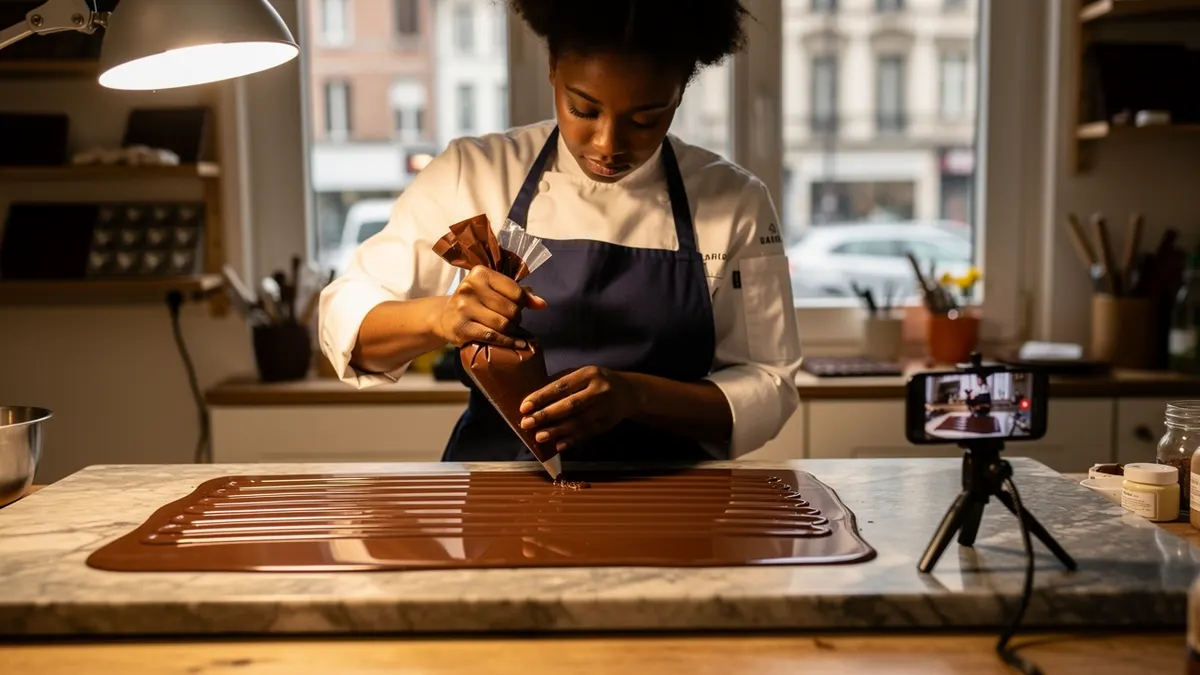
A pack can only make claims. Video can show, and in this category what can be shown is unusually persuasive: hands, temperature, texture, the moment something sets, a person who has done this for twenty years and can explain why one batch is wrong.
The word Belgian no longer differentiates
It has become a category label rather than a signal of quality. Customers hear it from a industrial exporter and from a two-person atelier and cannot tell them apart, so they fall back on price and packaging.
What is left when everyone says the same thing
Three things, in descending order of usefulness: who makes it, how it is made, and what it tastes like described honestly rather than lyrically.
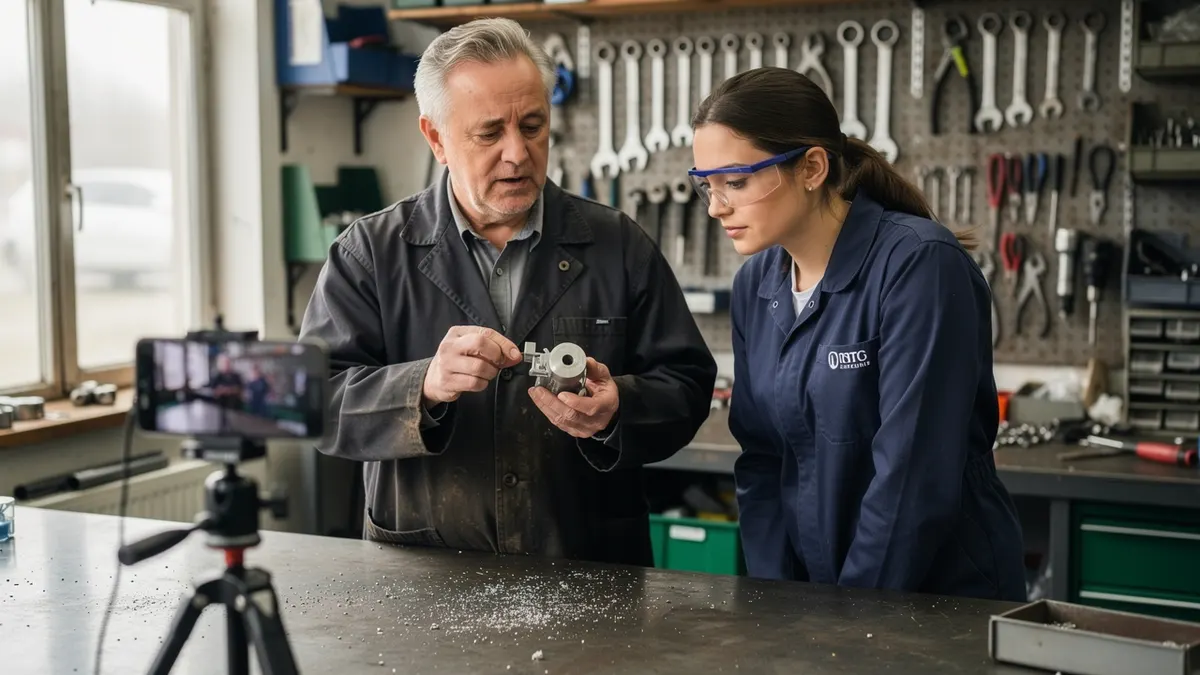
The first is the strongest and the least used. A named person with a real workshop is not a claim that can be copied by an importer, and thirty seconds of that person working does more than any paragraph about tradition.
Three customers in the same shop
A confectionery brand in Belgium is usually selling to several audiences at once, and they want different videos.
| Who is buying | What they want to see | What loses them |
|---|---|---|
| A visitor buying a gift | The city, the shop, the ribbon on the box | Industrial machinery |
| A local buying for a Sunday | Freshness, the person behind the counter | Anything that looks like a tourist brochure |
| An export buyer | Volume, consistency, hygiene, packing | Craft charm with no evidence of scale |
| A retailer or delicatessen | Shelf appeal and margin story | Long films about heritage |
| A corporate gift buyer | Customisation and reliable delivery | Anything that ignores logistics |
The trap is filming one video and hoping it works for all five. The good news is that a single well-planned shoot day produces material for all of them if the shot list is written with the table in front of you.
The season is short and it decides everything
This category earns a disproportionate share of its year in two windows: the weeks before Christmas and the weeks before Easter. A brand that starts thinking about content in December has already missed the moment when the content would have worked.
When to film
Film in the quiet months, in September for the winter and in January for the spring, when the workshop has time, the staff are not exhausted and nobody is standing in a queue behind the camera.
The practical rule for a producer: the video you need in November is made in September, and the one you need in March is made in January. This is not planning for its own sake, it is the only way to get a calm workshop and a maker who will actually talk to you.
Chocolate melts, and it changes the shoot
This is the part that surprises brands and creators equally, and it is the reason food specialists charge more for this category.
Temperature
Chocolate is worked in a narrow temperature band and it looks wrong outside it. Under lights, a plate of pralines goes from perfect to soft in a few minutes, and once it blooms it is unusable on camera.
That dictates the day: shoot cold, shoot fast, keep the product in the back until the frame is ready, and accept that the last takes will need fresh pieces. A shoot that treats chocolate like a cosmetic jar wastes half of it.
What films well
Movement and heat. Tempering, pouring, the shine as it sets, the snap when a bar breaks, a filling being piped, sugar work under a lamp. Static beauty shots of a finished box are the least interesting footage in the category and the most commonly ordered.
The one shot worth insisting on: something being cut or broken in close-up, with sound. It communicates texture in a way no styled arrangement can, and it is the clip that travels.
What this means for a brand
Spend the budget on process and people, not on a polished product film that looks like everyone else's. Book the shoot outside the season. Write the shot list against the audiences you actually sell to, and get all of them in one day.
And say something specific. Where the beans come from, how long the shells rest, what your grandmother did differently, why you refuse a shortcut. Specificity is the only thing in this category that a competitor cannot copy by writing the same word on a box.