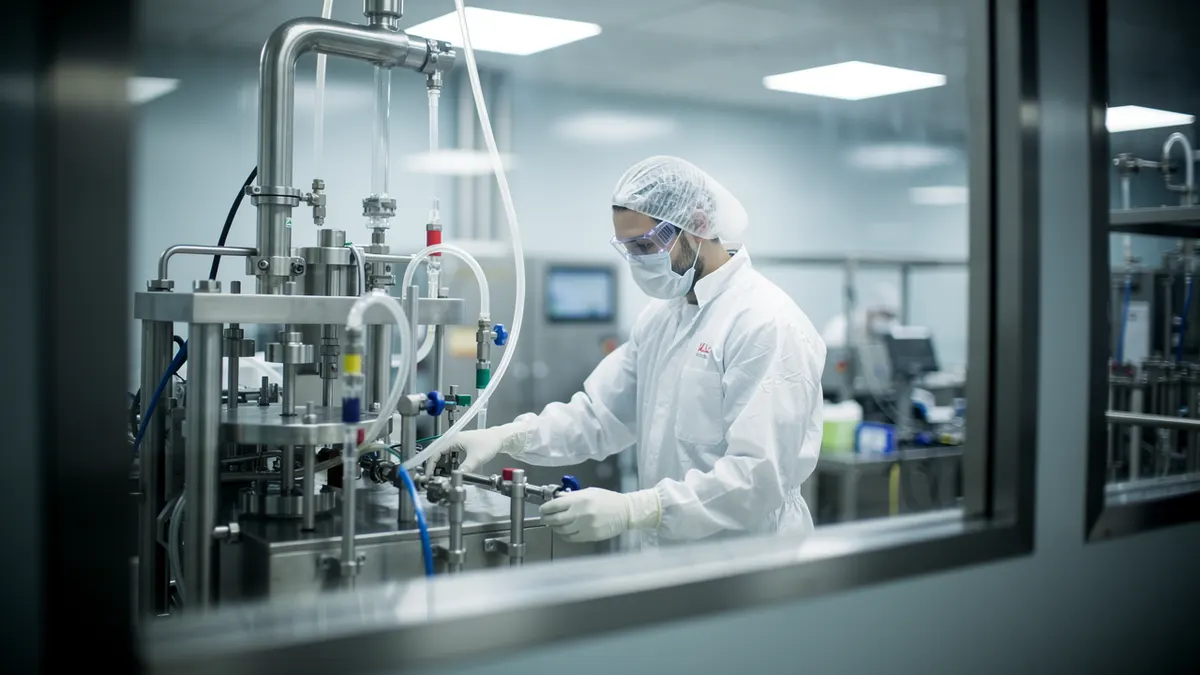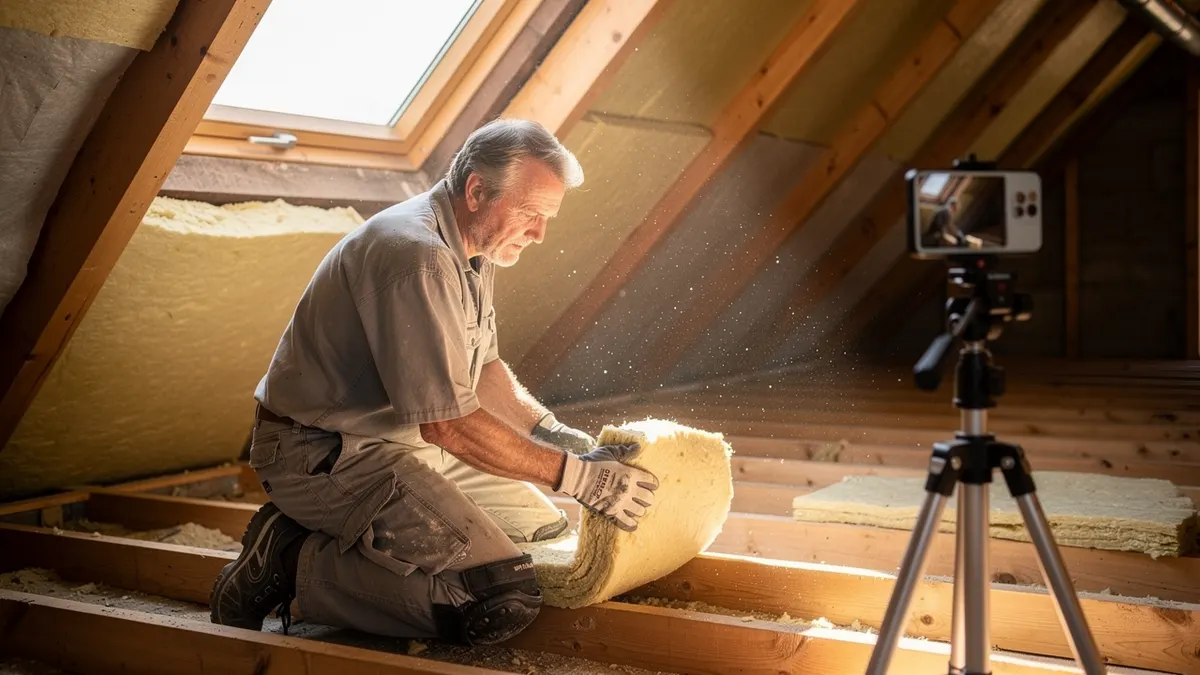
A freight forwarder, a warehouse operator or a terminal has the same content problem, and it is a genuine one. The product is a service, the service is invisible, and its quality is measured by things that did not happen: no delay, no damage, no customs surprise.
You cannot film an absence. So most companies in this sector publish a drone shot of a terminal, a stock photo of a container and a page of numbers, and then wonder why it changes nothing.
Two openings, and one of them is free
Scale, which you already own
The one visual asset this industry has in abundance is size, and it photographs extremely well. Cranes, stacks, the length of a quay, a warehouse aisle that disappears, a ship arriving at six in the morning.
That footage is genuinely impressive and it is sitting there every day. Most of the sector under uses it because it feels obvious from the inside, and obvious from the inside is often extraordinary from the outside.
The one condition is that it has to feel real rather than corporate. A drone sweep set to music is a screensaver. The same crane filmed from the ground, with the noise left in, is a place where people work.
The handover, which nobody films
Every logistics operation is a chain of moments where responsibility passes from one party to another: the seal, the scan, the signature, the driver checking a document, a container touching down.
Those moments are the actual product. They are short, specific and easy to record, and they are the closest thing the sector has to showing the thing it sells.
The night, which is the best hour of the day
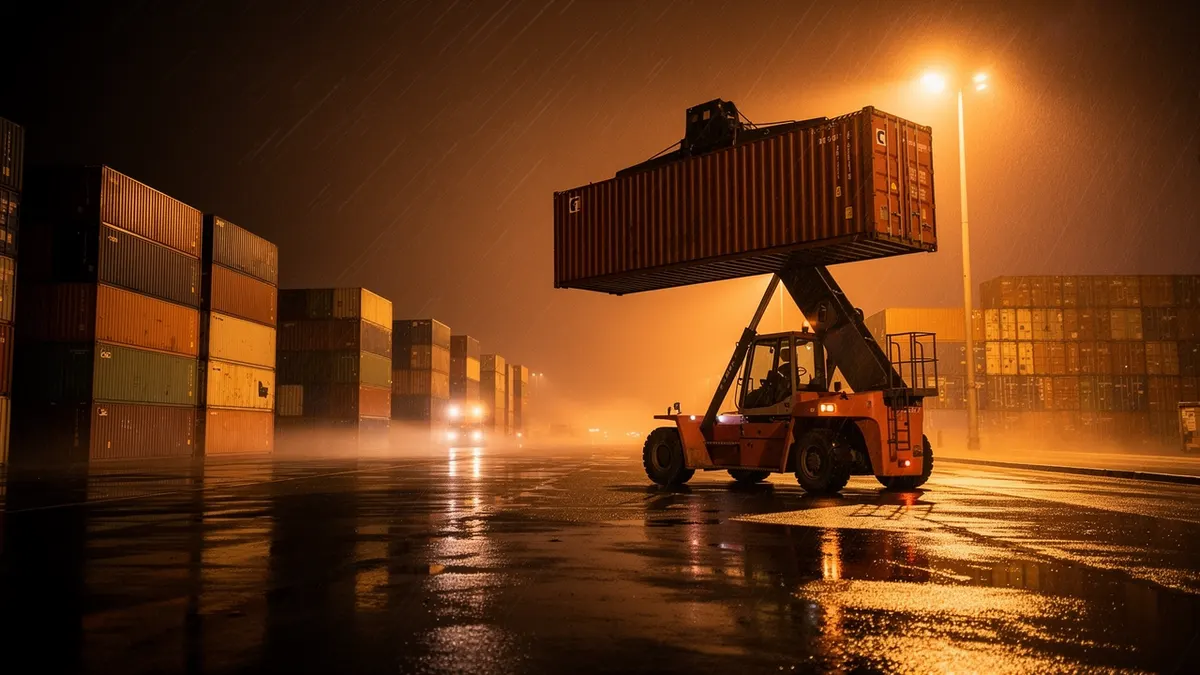
A large share of this work happens after dark, and it is where the footage stops looking like a brochure. Sodium light on a wet quay, a reach stacker moving under floodlights, a driver's cab lit from inside.
It is also when the site is emptier of visitors and easier to move around. Ask for a night visit rather than a daytime one and you will come back with material nobody else in the sector has.
What the audience is actually deciding
A shipper choosing a partner is not comparing services on paper, which all look alike. They are deciding who they will be able to reach at eleven at night when something goes wrong.
That means the most valuable content in this vertical is the person. Two minutes of the operations manager explaining what happens when a vessel is late does more than any capability film, because it answers the question that actually keeps a logistics buyer awake.
| What the sector usually publishes | What the buyer wants to see |
|---|---|
| A drone shot with music | The quay at working pace, with sound |
| Capacity figures | One handover, filmed end to end |
| An empty warehouse | The night shift, and who is on it |
| A list of services | The person who answers at eleven at night |
| A generic customs mention | How an exception is actually handled |
The last row is the most requested and the least published. Every buyer has had a shipment go wrong, and the supplier who shows what they do in that situation is speaking to the only memory that matters.
Your customer's customer
There is a second audience almost nobody in this sector addresses, and it costs nothing to reach: the client of your client.
A retailer waiting for stock, a factory waiting for a component, a builder waiting for material. Those people never see the logistics chain and they carry the consequences of it. Content made for them, and given to your customer to forward, makes your customer look good and puts your name in a room you are never invited into.
It is also the easiest content to make, because it is explanatory rather than promotional: where the goods are, why a step takes the time it takes, what happens next.
The two mistakes
Filming only in daylight, when a large part of this work happens at night and looks far better then. And filming an empty facility because it is tidier, which removes the only thing that makes the footage convincing, which is that people are working in it.