Most product categories forgive a creator who does not really know the object. Cycling does not. The audience here has spent years looking at bikes, and it reads a frame the way a musician hears a wrong note.
That is not snobbery, it is expertise, and it has a practical consequence: a technical error in the first seconds ends the video, whatever the script says afterwards.
Three errors that end it immediately
The position
A saddle far too low, a rider sitting bolt upright on a racing bike, hands in a place nobody puts them. It reads instantly as somebody who does not ride, and everything said after that is discounted.
The fix is free: have an actual cyclist set the bike up before filming, even if they are not the one on camera.
The equipment that is wrong together
A winter jacket with summer shoes. A road bike on a gravel path. Race wheels for a commute. A helmet perched on the back of the head.
Each of these is small and each one is loud. The audience is not judging fashion, it is noticing that the scene was assembled by someone who did not know, and it concludes the brand did not care.
The terrain that does not match
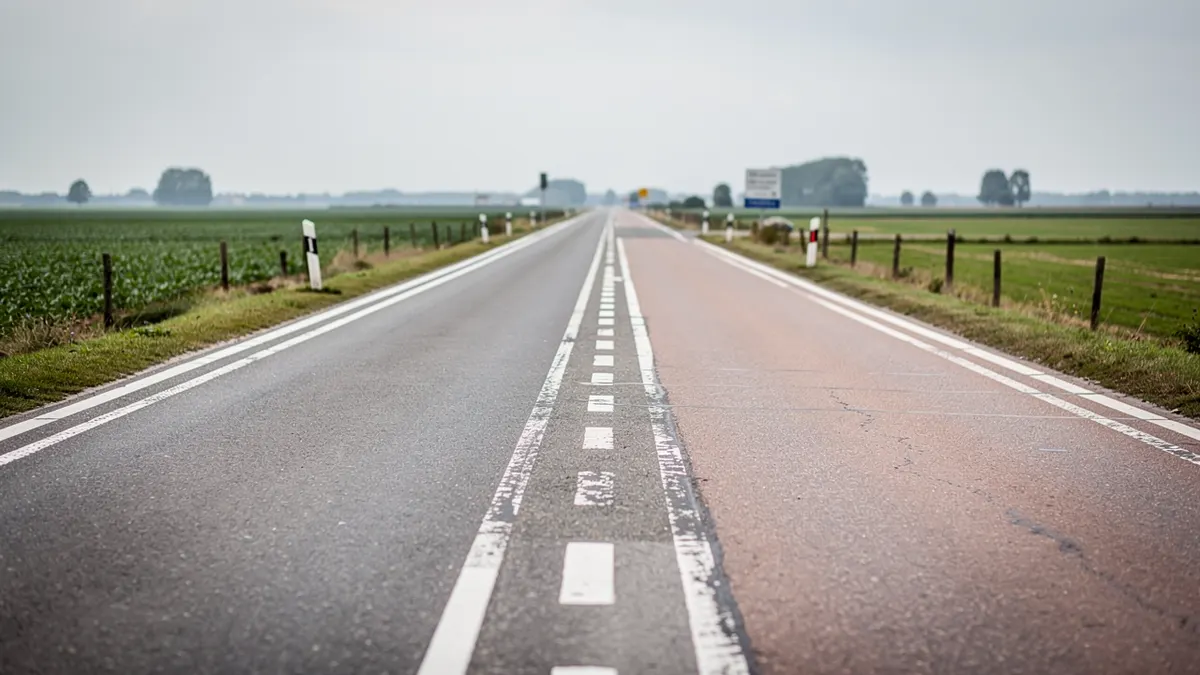
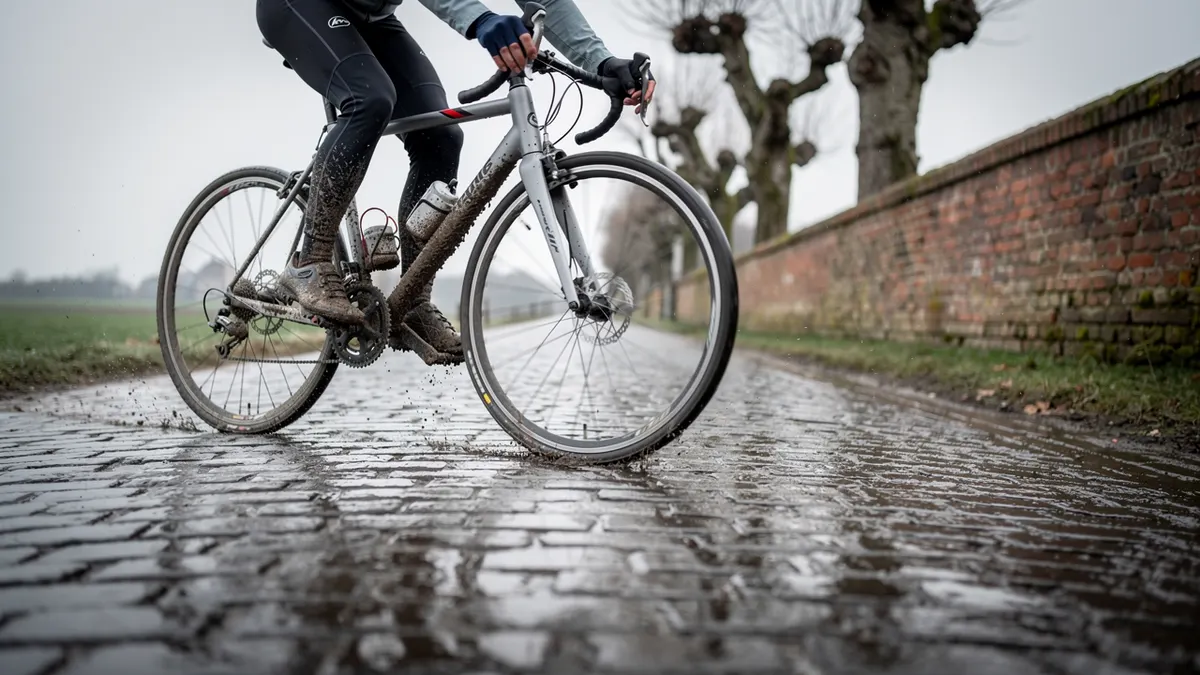
Belgium gives you a specific set of surfaces and they mean things. Cobbles, a canal path, a short steep climb, a flat road with a crosswind. Filming a gravel product on a smooth road, or a climbing product on flat ground, wastes the one thing this country offers for free, which is a landscape the audience recognises.
| The detail | What the audience concludes | The fix |
|---|---|---|
| Saddle height clearly wrong | Nobody here rides | Let a rider set it up |
| Mismatched kit for the season | The scene was assembled | Ask one cyclist to check it |
| Wrong surface for the product | The brand does not know its own market | Choose the location for the product |
| A gear combination nobody uses | The footage is staged | Film in real riding, not in a pose |
| No sound of the drivetrain | It feels like a photograph | Record the bike, not just the music |
The last row is underrated. The noise of a chain, a freewheel, a tyre on cobbles is instantly recognisable and it carries more authenticity than any colour grade.
Sound does half the work
This is the cheapest advantage available in the category and almost nobody takes it.
A chain under load, a freewheel coasting, a tyre crossing from asphalt onto cobbles, wind in a helmet, breathing on a climb. Those sounds are instantly recognisable to anyone who rides, and they do more for credibility than any camera.
Record them deliberately rather than hoping the camera catches them. Ride past a fixed microphone, record thirty seconds of a wheel spinning in a stand, capture the surface change at walking pace. Then keep the music low enough that the bike is still audible, which is the opposite of what most brand edits do.
The Belgian calendar runs backwards
In most sports the content year peaks in summer. Here the attention peaks twice, and neither peak is in July.
Spring belongs to the classics, and it is when the audience is largest and most emotional. Winter belongs to cyclocross, which is the discipline this country follows most closely and which produces mud, cold, small crowds and extraordinary images.
That means brands here plan campaigns for February and for November, and a creator who is only available in good weather is available in the wrong months.
Three kinds of client
Brands are the obvious one: bikes, components, clothing, nutrition, and the shops that sell them. They want product content that survives the scrutiny described above.
Teams and clubs are the second, and they buy something different: recruitment, sponsor deliverables, and the season recap that a sponsor is contractually owed. Unglamorous, recurring, and paid.
Events are the third and they are concentrated in a few weeks. That work is intense, the rights questions are specific, and it is worth agreeing before the day rather than in a field.