It happened on somebody else's site. In Belgium, your competitor for the click is rarely another Belgian brand, and what it sells is not a price.
Your competitor is a platform, not a brand
What the platform really sells
It sells neither the product nor the price: it sells the absence of risk. An account already created, an address already saved, a payment method already validated, an order history, an identified customer service and a known procedure in case of a problem. Against that, your site asks a stranger to enter a card number on a page they are discovering.
The Belgian version of the problem is sharper
The domestic market is small, which pushes buyers towards regional or foreign platforms earlier than elsewhere. Add the language question, which multiplies points of friction, and a long habit of distance selling. The result: your competitor is not the brand next door, it is an interface your buyer already uses every week.
What UGC can do about it
Film the logistics, not the product
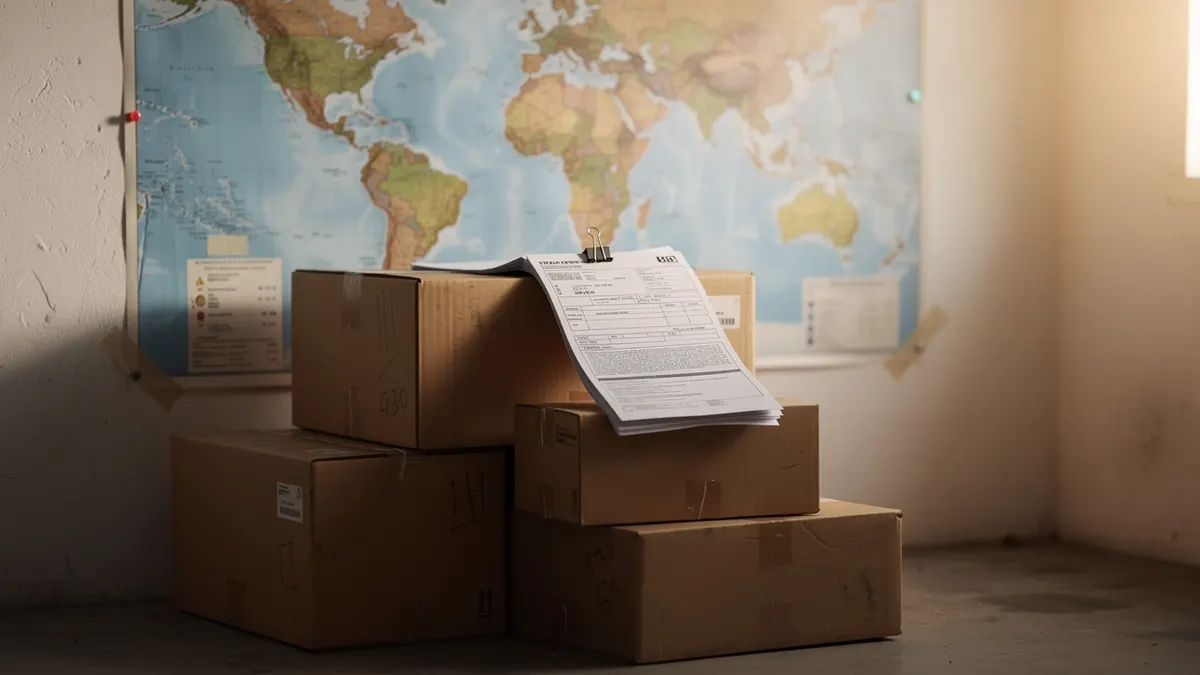
The product is already photographed. What is missing is everything around it: the real parcel, the observed delivery time, the packaging on opening, the person who answers the message. Those elements build trust, and they are precisely the ones only you can show.
What UGC does not repair
A video compensates neither for a slow site, nor for a failing payment page, nor for genuinely bad delivery times. It makes visible what exists; it does not manufacture what is missing. If the problem is logistical, it is solved in logistics, and the video comes afterwards.
The first video to make
Seven shots to film, in this order, for a single video.
The parcel as it arrives, with the label visible.
The opening, with no staging and no music.
The product taken out, compared with a familiar object for scale.
The order form or invoice, filmed for one second.
The returns procedure, dealt with above.
The message sent to customer service and the reply received, with the time.
And a closing sentence saying who is behind the site, in one line.
What trust requires, item by item
Seven elements a buyer looks for and that most Belgian sites do not show.
A verifiable physical address, filmed rather than written.
The real observed delivery time, not the announced one.
The cost of a return, and who pays it.
The way to reach somebody, with a stated response time.
The language in which that somebody will reply.
The warranty conditions, quoted as they appear on the site.
And a person's name, which changes everything and costs nothing.
The two communities, and what that imposes
Six practical consequences for a Belgian site.
The same video in two languages, never a neutral version.
Two different voices, each in their own first language.
Two versions of the on-screen text, with the same shots.
A check on commercial terms in each language, which do not translate word for word.
A customer service able to answer in both languages, failing which the video promises what the site does not deliver.
And testing both versions separately, since results often differ more than expected.
What to check before shooting
Five points to validate with a lawyer and with the competent authority.
The mandatory mentions attached to distance selling, including the right of withdrawal.
The exact wording of the return and refund conditions.
Claims about delivery times, which commit the seller.
Comparison with a named competitor, governed by precise rules.
And the mentions relating to the legal guarantee, to be quoted without rewording.
What reassures a hesitant buyer
| The doubt | The shot that lifts it | Length |
|---|---|---|
| Does the product look like the photo | The object in hand, unretouched | 8 s |
| Does the parcel arrive intact | The real opening | 10 s |
| What if it is not right | A clear sentence about returns | 5 s |
What weighs most on a local shop
Transparency about returns and delivery time. A hesitant buyer rarely compares two products, they compare two levels of perceived risk, and that is where the video acts.
What never goes into a trust video
A quantified delivery time, a stock figure or an approximate return condition. These three change and turn a reassuring promise into a dispute, to be confirmed with the brand.
Measuring whether it worked
Six indicators to look at after release.
The conversion rate of the product page concerned.
The number of pre-purchase questions received, which should fall.
The basket abandonment rate at the payment stage.
The return rate, which may rise slightly, and that is a good sign.
The share of new customers compared with existing ones.
And the number of orders coming from the language community least served until then.
One last marker: in Belgium a brand does not beat a platform on price or on speed. It wins on what the platform cannot show: a person, an address, a returns procedure filmed by somebody who actually used it. That is the one video your competitor will never produce.