Everything written about UGC assumes the product can be shipped to the viewer. Yours cannot, and that reverses almost every rule.
Reach is a cost, not a benefit
The catchment area is the whole strategy
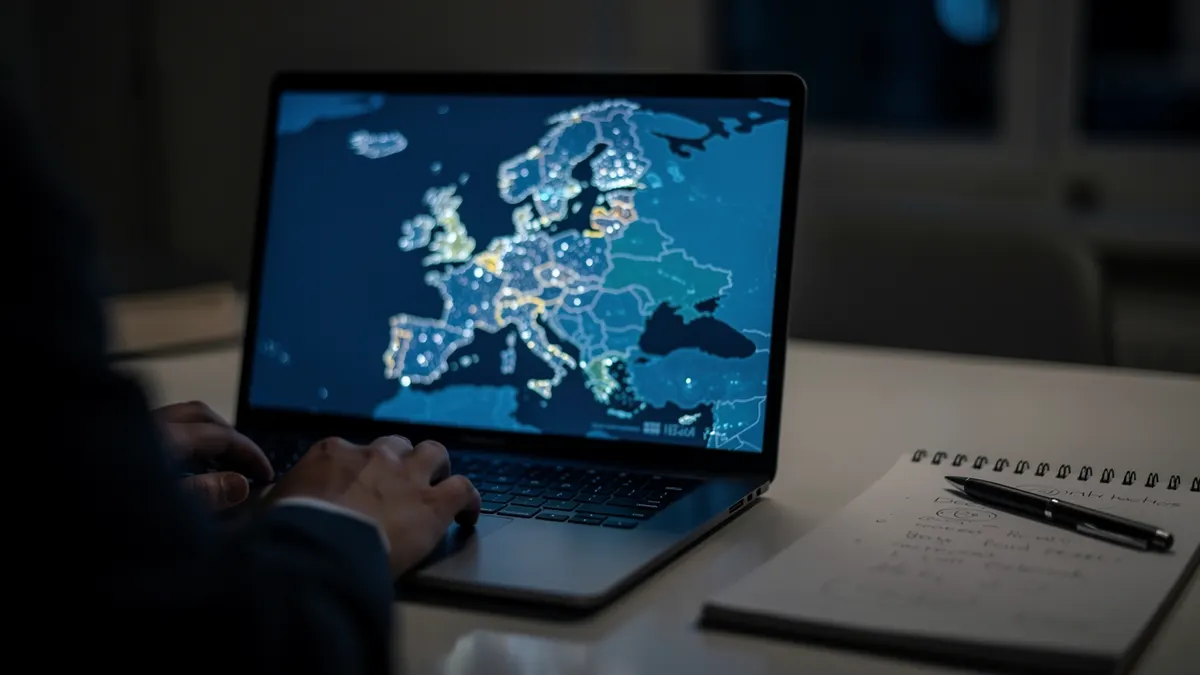
A restaurant cannot ship its product: the viewer has to travel. Every view from somebody who will never come is therefore a spend with no return, and it distorts your statistics too. A video seen a hundred thousand times across the country is worth less than a video seen three thousand times within a fifteen-minute radius. That is the exact opposite of what most advice about this format recommends.
What that changes about choosing the creator
You are not looking for the most talented person, you are looking for the one whose audience and setting are local. A creator from the next town is worth more than a national one, because their accent, their references and their places are recognised. And if you run paid advertising, the geographic area does more for the result than the content itself.
What a venue video really has to answer
The three fears
The first is the threshold: not knowing how you go in, dealt with above. The second is unsuitability: arriving with children, a wheelchair, a group, a particular diet, and discovering it was not the place. The third is price: not knowing what you will pay before sitting down. A video handling those three fears fills tables; a video showing beautiful plates gets scrolled past.
The door and the first minute
Six shots to film in this order, in one sequence.
The street, with a landmark people from the area recognise.
The frontage and the opening hours displayed.
The entrance, filmed while walking, with no cut.
The first person who greets you, and what they say.
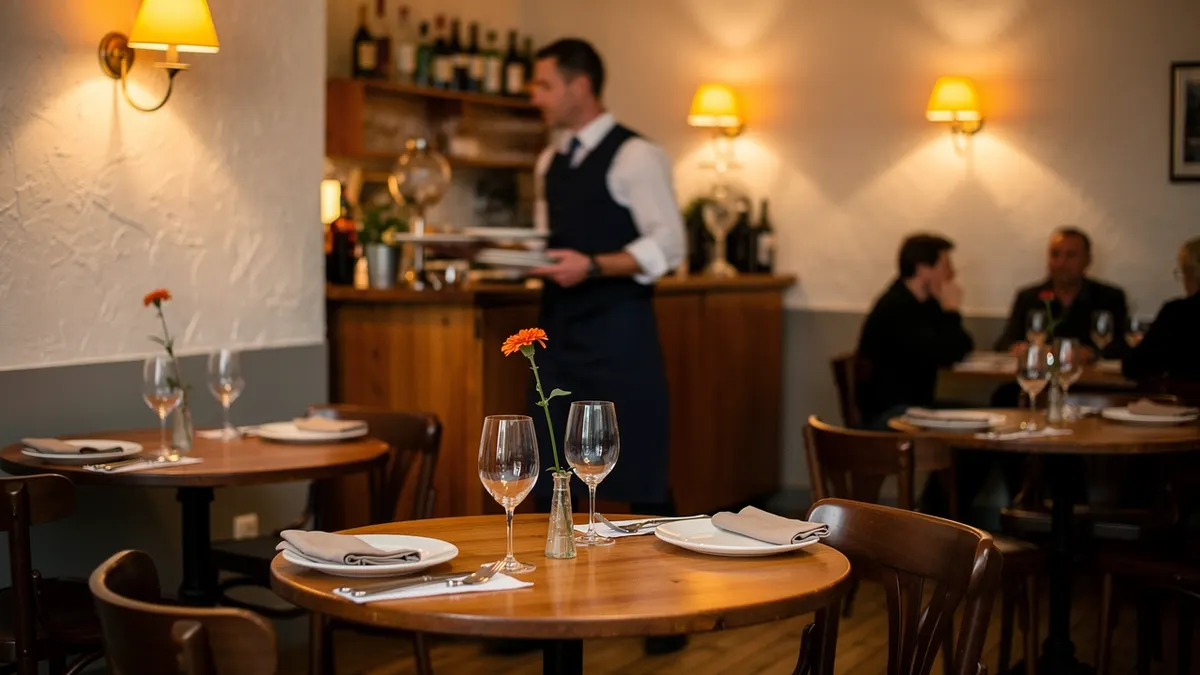
The room seen from the entrance, at eye level.
And the table you settle at, with what is already on it.
What nobody films
Seven shots absent from almost every video, and yet decisive.
The toilets, a silent and considerable argument.
Access with a wheelchair or a pushchair.
Parking, the nearest stop or the bike rack.
The menu displayed, with legible prices.
The terrace in bad weather, and not only in the sun.
Weekday lunch service, when the room is full and hurried.
And the moment of payment, which reassures about the total and the methods accepted.
The two languages, and what that costs
Six rules for a Belgian venue.
Two separate versions are worth more than one bilingual version, which reaches nobody properly.
The language is chosen according to the real clientele, not according to the municipality.
The same series of shots can carry two different voices, which halves the cost.
Prices and on-screen mentions have to be accurate in each version.
Filmed staff have to be comfortable in the language used, without exception.
And a third version in English is justified only if tourists represent a real share of the clientele.
A venue's calendar
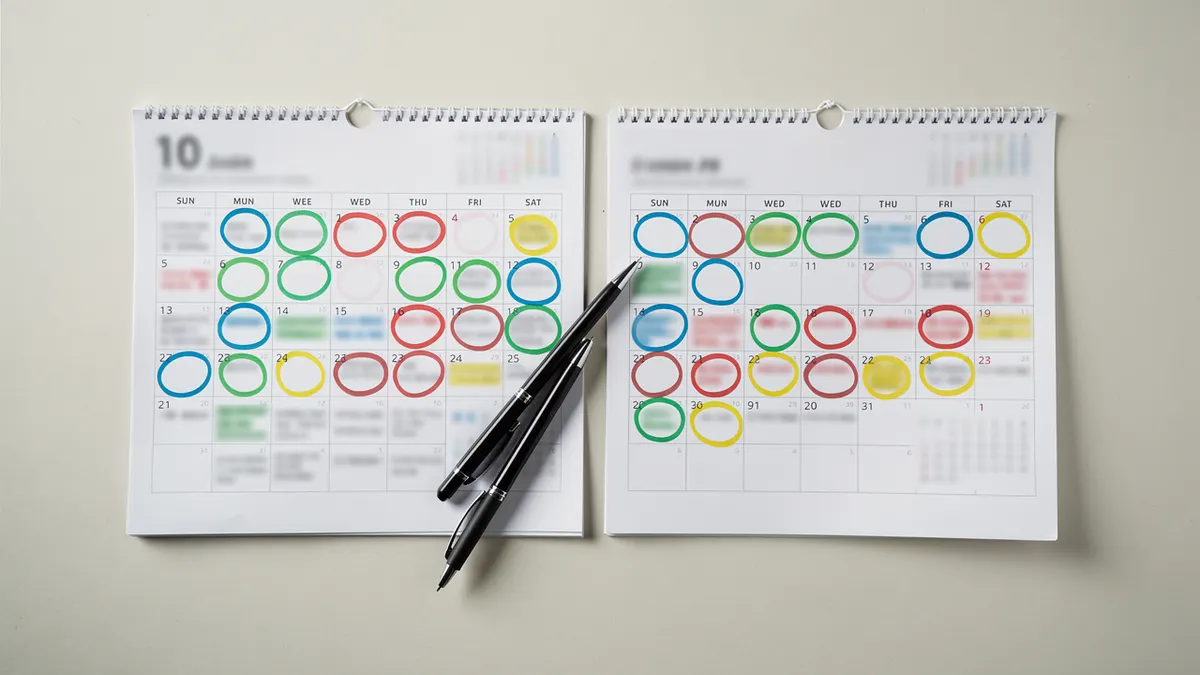
Six moments to cover in the year, decided in advance.
The terrace, filmed the previous summer to be released in spring.
The end-of-year festivities, shot in November at the latest.
The seasonal menu, two weeks before its launch.
The quiet periods, where content has to fill rather than flatter.
Closures and changes of opening hours, the most watched information of all.
And the arrival of a new dish, which gives a reason to post without inventing an event.
Choosing the creator, and how to pay them
Seven points specific to this sector.
Favouring somebody who lives or works in the area.
Checking that they genuinely go to this kind of venue.
Paying in money rather than in meals, unless there is an explicit written agreement.
Stating whether the visit was offered, and disclosing it in the video in the required form.
Setting the number of dishes filmed and the shooting hours, outside service if possible.
Obtaining written agreement from staff visible on camera.
And buying the rights for a long period, since footage of a place ages more slowly than footage of a product.
What is shot in a venue
| Sequence | The right moment | Length |
|---|---|---|
| The empty, laid room | Before opening | 10 s |
| The kitchen gesture | During the prep | 15 s |
| The plated dish or the poured glass | As it leaves the pass | 10 s |
What is arranged with the manager beforehand
The exact slot, the permitted areas, the consent of any staff filmed, and what to do if customers walk in. A shoot during full service shows on screen and disturbs everyone.
What never goes into the video
A price, an opening time, a review score or an availability. These four change, and a venue video must stay usable for at least a full season.
What to check before publishing
Five points to verify, several of them with the competent authority.
The prices shown on screen, which have to match the menu on the day of release.
Mentions relating to allergens, which are never improvised in a video.
Claims about the origin of ingredients, to be worded with care.
The rules applicable to promoting alcoholic drinks, which are checked.
And the agreement of recognisable people in the room, customers included.
One last marker: in Belgium a venue does not need to be seen by many people, it needs to be seen by the people who can walk there or get there in fifteen minutes. Film the door, answer the three fears, and distribute within a small radius: it is the one strategy where small reach beats large.