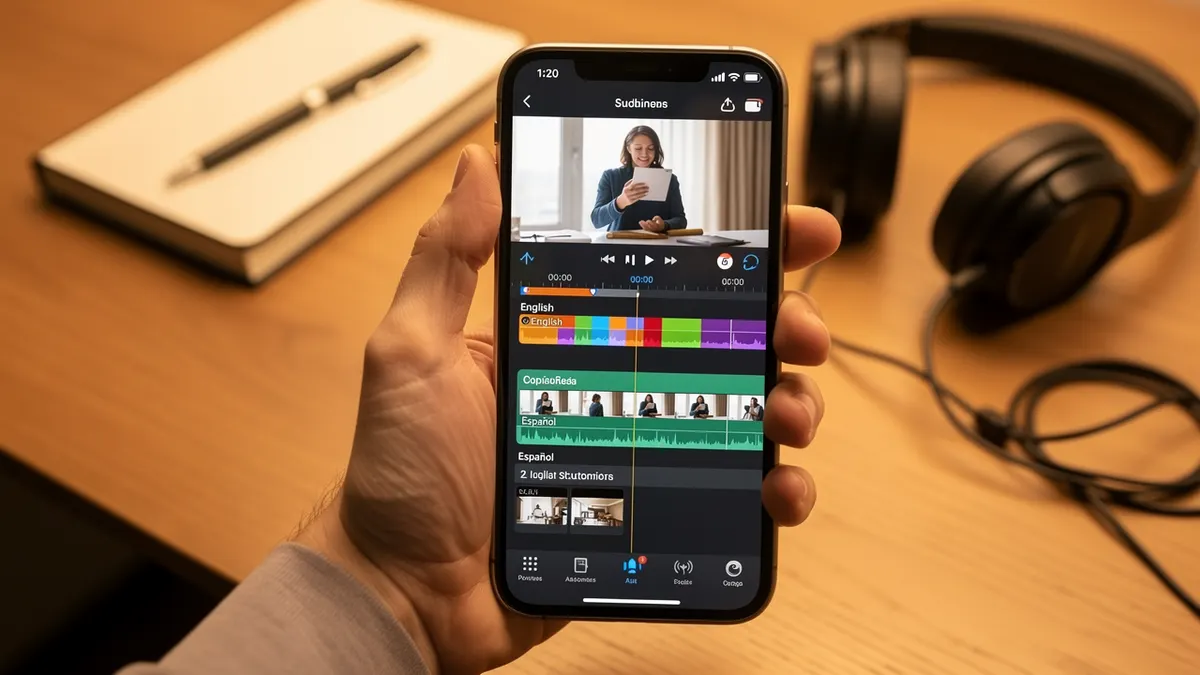
UGC editing is not trying to impress, it is trying to keep anyone from dropping off. It all happens on the phone, with no computer and no expensive software.
In Costa Rica two physical constraints decide the result before the app is even opened.
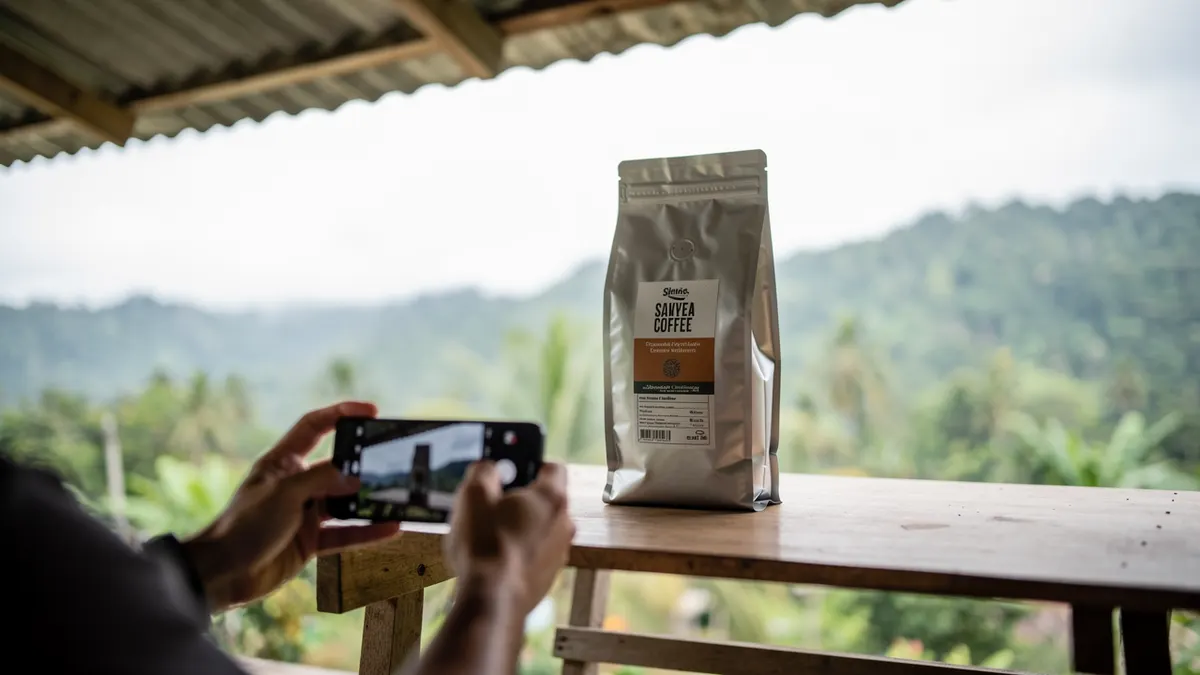
What outdoor shooting imposes on the edit
A significant share of what gets commissioned here is shot outside: beach, forest, terrace, road. That produces three problems the edit has to anticipate rather than repair.
The light changes between takes. A cloud passes, and the second half of the scene no longer has the same colour. Lock the exposure and white balance before the first take instead of leaving them automatic: it is the single move that prevents the most impossible matches.
The lens fogs up. Moving from an air-conditioned interior to humid air outside turns the image milky for several minutes. Take the phone out in advance and let it reach ambient temperature before starting.
Background sound is louder than you think. Wind, waves, insects, rain on a roof. While recording it feels natural; in the edit it covers the voice. Film with your back to the wind, get closer, and check on headphones before packing up: an inaudible take cannot be repaired.
Delivering when the connection is not the same everywhere
Bandwidth varies with location, and a heavy file sent from a poorly served area can fail several times without the client knowing anything about it.
Three habits settle this. Export at the best available quality, but upload from somewhere with a stable connection, even if that means waiting until the evening. Never deliver through a messaging app, which recompresses and degrades. And warn the client if the upload will take time: a message costs thirty seconds and stops you being thought late.
Pace is the real technique
Cut every pause. Every breath, every hesitation, every dead second between sentences. A forty second piece often drops to twenty-eight once cleaned, and holds attention markedly better.
The rule that settles it: if you hesitate about cutting a second, it is one too many.
Subtitles
Always proofread them. Automatic transcription gets place names, product names and brands wrong, and a large share of the audience watches with the sound off: they read the mistake instead of following the message.
Short sentences, one idea per line, in the middle third of the screen so the interface does not cover them.
And always deliver a version without burned-in captions. Many orders come from buyers located elsewhere who will want the same piece in another language, and having exported it already saves you a second shoot.
Sound before image
Level the voice so it sounds the same from start to finish. If you add music, keep it far underneath, barely there.
And use only royalty free music. A licensed track can get the brand's ad taken down, and the problem comes back to you.
What to cut out
Showy transitions, jumpy zooms, trendy effects, and above all filters that saturate the colours. That is the permanent temptation when filming in spectacular surroundings, and it is what tips a video from believable to advertising.
What each step demands
| Step | Real time | What slows it down |
|---|---|---|
| Choosing the takes | 10 min | Not having sorted while shooting |
| Cutting and pacing | 15 min | One very long single take |
| Corrected subtitles | 10 min | Sound recorded too far away |
What is decided during the shoot
Naming the good takes out loud, keeping two seconds either side of each gesture, redoing a failed take on the spot.
What is kept for the computer
A series that must look consistent, two subtitle languages, sound to repair, a heavy export.
Deliver versions, not a piece
The main video, two variants with a different opening, the caption free version, and if possible location shots with no face. Those last ones have particular value here: they get reused on the page, in ads and in customer replies, and nobody else can shoot them for you.