Start with the doubt, not with the product. Here is the format brands buy again because it lowers their returns.
Start with the doubt, never with the product
Three opening rules, and they are demanding.
No image of the product in the first three seconds.
No greeting, no self-introduction.
And the question asked in the first person, the way you would ask a friend.
One editing consequence: the video does not cut at the start. A continuous shot on the face, with no effect, gives the doubt time to exist. A quick cut turns it into an argument.
One objection, one video
That is the rule making the format profitable.
Three objections handled in a single video convince on none: the viewer looks for theirs, does not find it in the right place, and leaves.
Three advantages to separating them. Each video reaches a different audience. Each video is tested separately. And the series can be completed over time, without rewriting the earlier ones.
One production benchmark: four objections generally cover eighty per cent of a category's hesitations. The fifth is often a variant of the previous ones.
Show, do not refute
That is the point separating this format from a sales reply.
An objection is not dismantled with an argument, it is dismantled with a demonstration.
Four examples of the translation.
Too expensive: show the cost per use, calculated on screen, over the real lifespan.
Too complicated: film the setup in a single take, with the stopwatch visible.
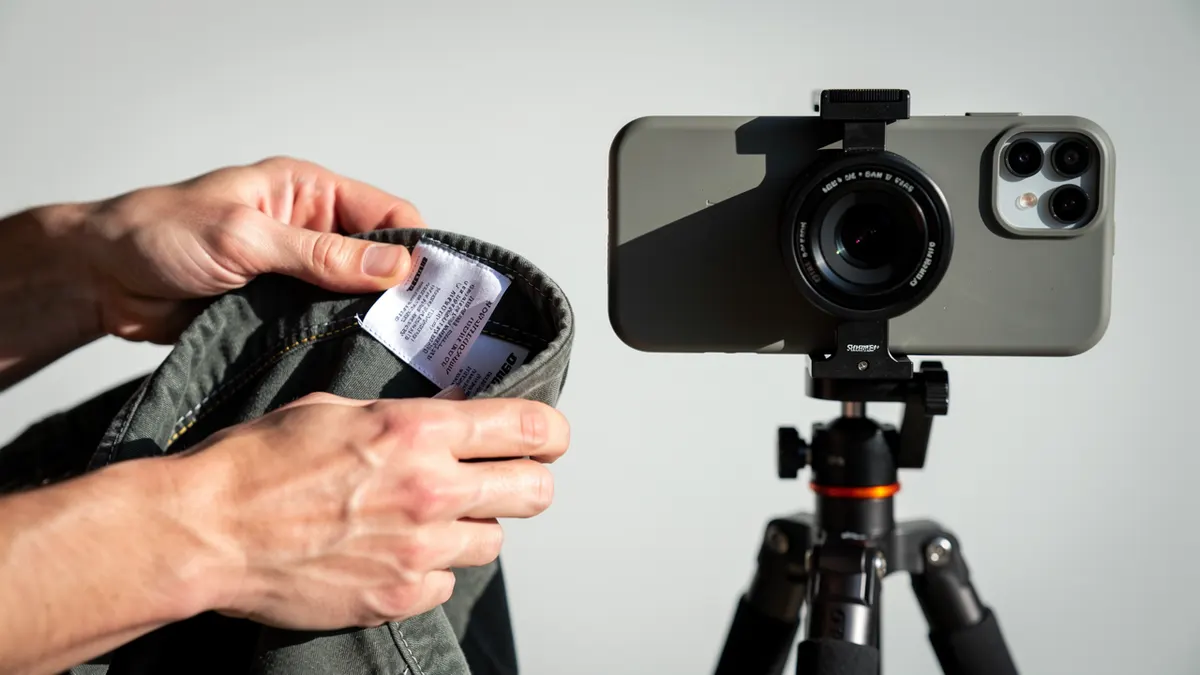
It will not last: show the object after three months, with the marks.
It will not suit me: show three different profiles, not three angles of the same one.
And when the objection is true, say so. It is the only answer increasing trust: this product is not right for that use, here is what would be better.
Where these videos are used
Four placements, and two are underused.
In paid advertising, to audiences who visited without buying.
On the product page, next to the argument concerned.
In customer service replies, sent as a direct link rather than rewritten every time.
And in abandoned-basket reminders, where they replace a discount.
That last use explains why brands buy the format again: an objection answer costs less than a discount, and it does not devalue the price.
Where objections worth a video come from
| Source | What you find there | Effort |
|---|---|---|
| Comments on recent posts | Doubts spelled out | 15 min |
| Messages to support | Blockers before purchase | 30 min |
| Return reasons | Disappointments after purchase | 30 min |
What the video must do, in order
Quote the objection as it was written, show the proof, then give the honest limit. Three beats, one minute, and nothing else.
What does not work
Handling five objections in a single video, or denying the objection instead of addressing it. The viewer who raised it recognises the dodge instantly.
How to find the objections
Four sources, in order of quality.
The messages received by customer service, where the objection is written in the customer's words.
The reasons for returns, which say what disappointed after the purchase.
The questions asked on the product page, which often stay unanswered.
And sales conversations in store or by message, where they are accessible.
One simple method: for a month, record the questions asked, note the exact wordings, and sort by frequency. The resulting list is the quarter's shooting plan, and it is worth more than a creative meeting.
One last point: the advertising disclosure is still owed as soon as there is consideration, including in this format that looks like a spontaneous answer, and its exact forms are checked with the competent authorities.
Sources
Checked on 4 September 2026. Thresholds and rates change: where this guide and the official source disagree, the official source is right.