How to film the maker and the material, why the process sells abroad, and which creators to hire.
What really converts
Four sequences, in decreasing effectiveness.
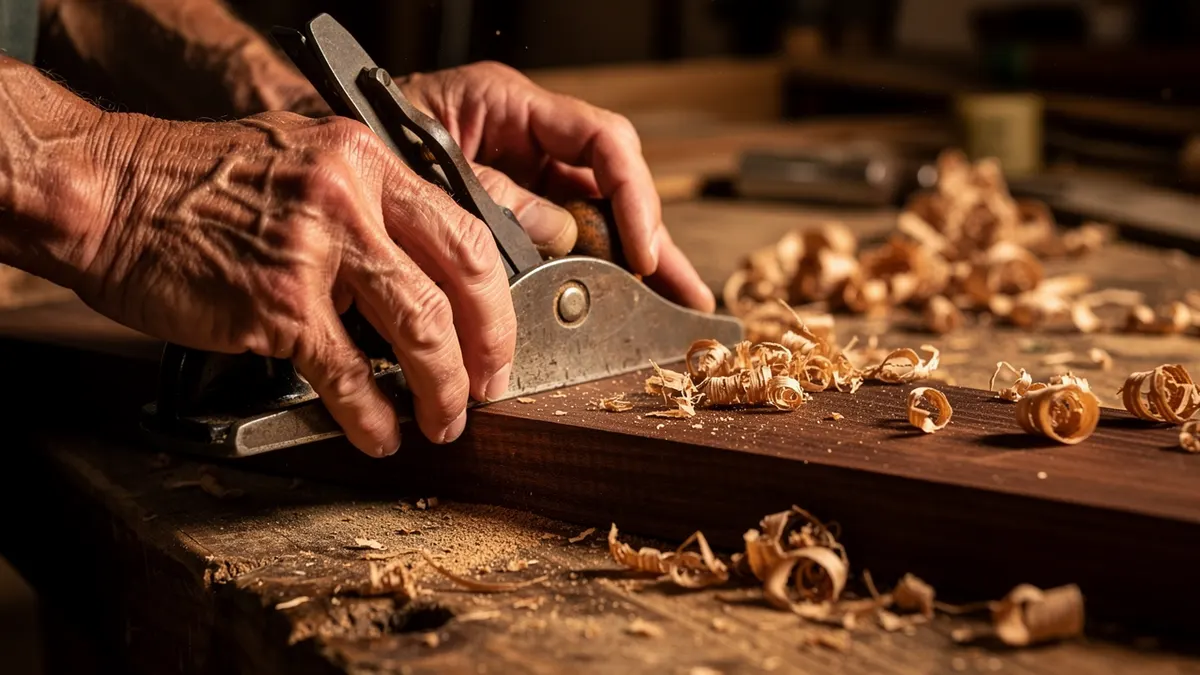
The repeated gesture: the part of the work a machine does not do.
The raw material, before transformation, filmed in close-up.
The hands and the face of the person making it, with their first name.
And the finished object worn or used, at real scale, compared with a known object.
One shot that pleases without selling: the object on a neutral background. It looks like every online shop photo and brings no information.
The foreign audience, the one that pays best
Three reasons to speak to them directly.
Their purchasing power makes the price acceptable, provided they understand what they are paying for.
They buy a story as much as an object, and they tell it in turn when giving the piece.
And they come back: a satisfied order often turns into repeat orders, including for gifts.
Three conditions for reaching them: a version in their language with a native voice, clear shipping information, and an honest indication of lead times.
What is said and what is not
Four points of caution, to be checked with a lawyer as the case requires.
Origin and protected designations: some terms have a legal definition and are not used freely.
Materials: their exact nature, provenance and treatment are described precisely, particularly for export.
Environmental claims, particularly regulated in the target markets.
And cultural attribution: a technique or a pattern belonging to a community is named and credited, never borrowed silently.
One consequence of method: those four points are handled in the script, before the shoot, not at the edit.
Which creators to hire
Three profiles, in this order.
The maker themselves, who remains the most credible despite being uncomfortable on camera. Somebody showing their hands does not need to be at ease.
Somebody from the same trade, able to ask the right questions during the shoot.
And a foreign creator, for the version aimed at the export market, with a native voice.
One decisive technical criterion: the ability to film in a workshop, often dark, cluttered and noisy, without turning the place into a studio.
What proves craft work
| Shot | What it shows | Length |
|---|---|---|
| The workshop | Worn tools, raw material | 8 s |
| The gesture | Hands at work, uncut | 20 s |
| The finished piece | The finish, in close-up | 10 s |
What is prepared before filming a shiny piece
A microfibre cloth, a matte background, a diffuse source from the side. A fingerprint in close-up is visible and forces a full restart.
What is verified before claiming an origin
What is made on site, what comes from elsewhere, and what the label used really protects. A wrongly claimed origin is a breach, to be confirmed with a lawyer.
The brief and the calendar
Five instructions are enough for the brief.
The number of working hours per piece, said out loud.
The visible stages, in their real order.
The dimensions and the weight, compared with an everyday object.
Care: what gets damaged, what can be cleaned, what ages well.
And shipping: lead time, packaging, what arrives at the buyer's.
Three moments structure the year: the high tourist season, when sales happen on site; the end-of-year festivities in the export markets, prepared three months ahead; and the low season, the ideal moment to film because the workshop is available.
One last marker, valid for the whole category: the most profitable video is not the one making the object more beautiful, it is the one making the price obvious. A piece whose every stage has been seen coming into being is no longer compared with a mass-produced object, and the question of price stops being asked.