In this market, half the disappointments come not from the product but from the way it was used. And that is corrected at the shoot, not by customer service.
What really converts
Five sequences, and the result is not the first.
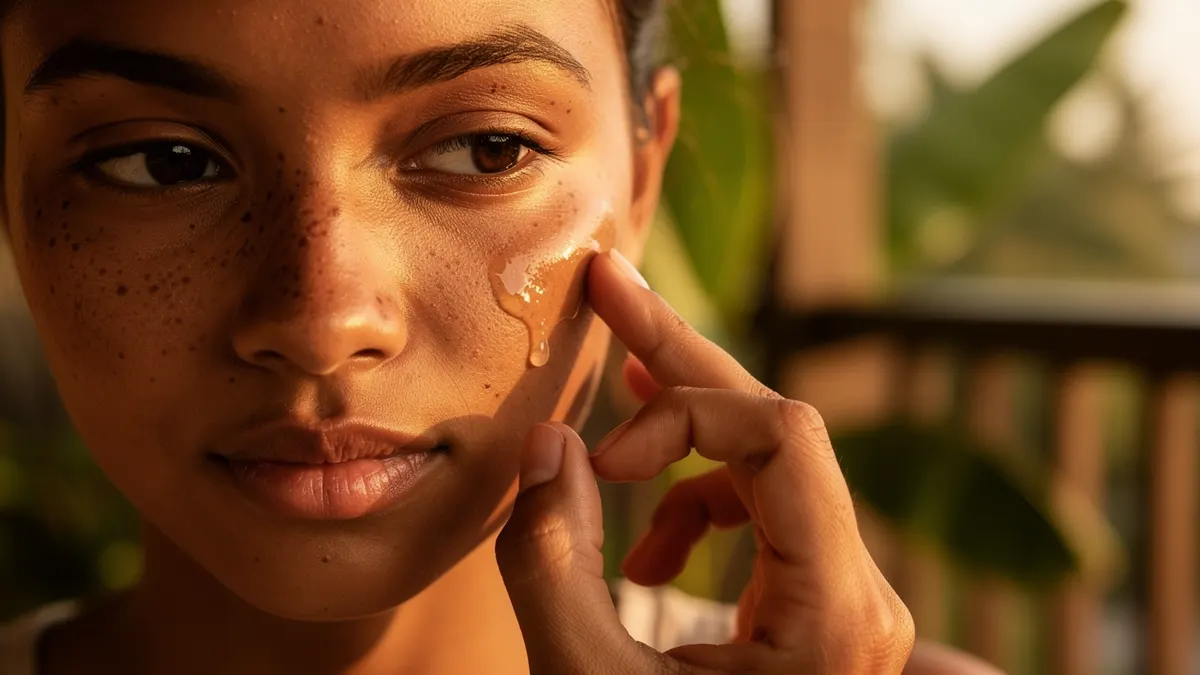
The texture in extreme close-up, without music: what it does on the skin, whether it is sticky, whether it shines, how long it takes to sink in.
The quantity, described above.
The full routine in the real order, with what the product replaces: a bathroom is already full, and an isolated product cannot be pictured in it.
The objection said out loud: the price, the feel, the previous disappointment, the doubt about how it keeps in a humid climate.
And the comparison with what the person used before, which remains the most convincing format in the category.
Natural cosmetics, promise and trap
That is this market's specificity and also its main risk.
What may be said about a cosmetic product in terms of effect, composition, origin, certification, natural character or environmental claim is regulated and depends on the product and the destination market. The permitted wording comes from the brand's approved documentation and is used word for word.
Those points are checked with the competent authority and with a lawyer before the shoot, particularly for content intended for export, where two sets of rules may apply.
And the same rule applies to the picture as to the words: filming a plantation, a forest or a harvest suggests an origin or a composition that only documentation can support.
The climate changes what has to be shown
Two local constraints, absent from imported content.
Keeping: heat and humidity change the texture, the colour and sometimes the smell of an opened product. Show where it is kept, and what it looks like after two months of real use in those conditions.
And the context of use: sweat, salt water, sun, humid air. A routine filmed in an air-conditioned bathroom says nothing about what happens outside.
Which creators to hire
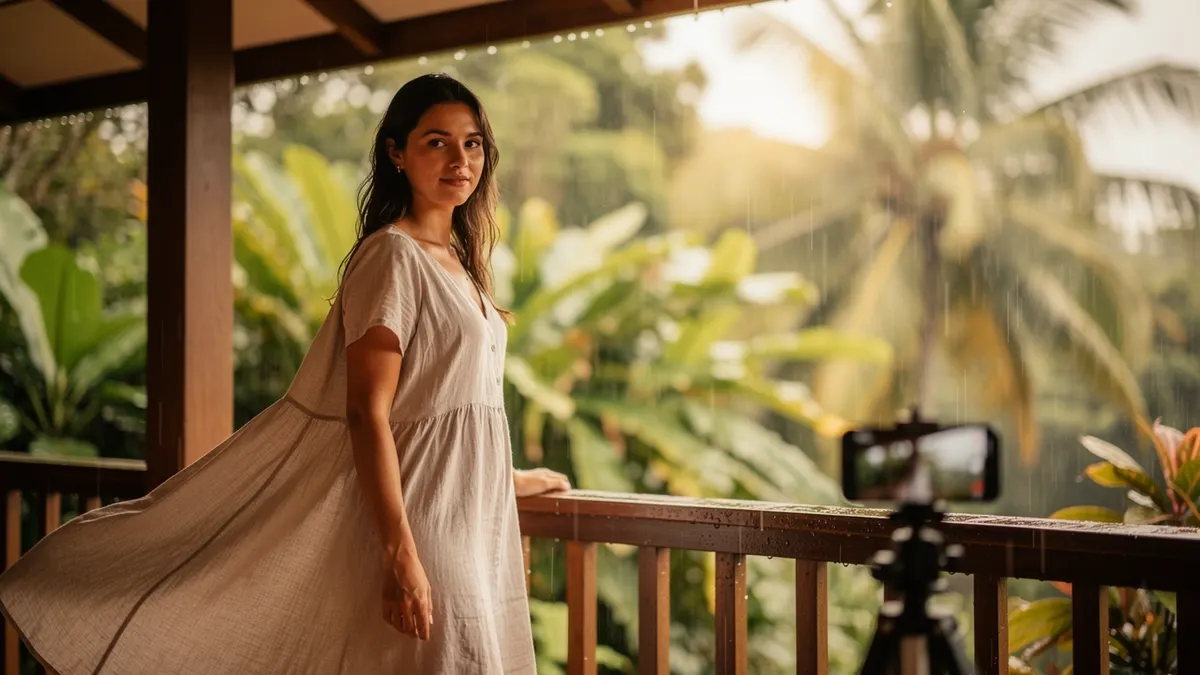
A real bathroom and unretouched skin.
Look at the place before the audience. Check the steadiness of the hand in close-up, the ability to film in low light, and above all the absence of a filter: a visible filter destroys the credibility of the whole campaign.
Plan an English version for the visitor and export audience, which often pays better, and a local version for the domestic market.
What the light decides
| Source | Skin rendering | When to use it |
|---|---|---|
| Side window | Visible texture, soft shadows | Applying a skincare product |
| Front ring light | Smoothed skin, catchlight in the eye | Make-up |
| Ceiling light alone | Marked under-eye shadows | To avoid |
What is shown in close-up
The texture leaving the bottle, the spread on the back of the hand, the absorption after thirty seconds. Those are the three shots buyers really look for.
What is not said on camera
A therapeutic effect, a duration of results, a comparison with a treatment. The permitted vocabulary is framed, to be confirmed with a lawyer.
The brief, the pieces and the calendar
Short, and strict on two points only.
The authorised wording word for word, with the list of what cannot be said. And the five sequences above, including the quantity one.
Buy three pieces per product from the same shoot, plus four openings to revive an advert with no new session.
On the calendar: the dry season pushes sun protection and after-sun care, the rainy season hydration and repair, and the tourist periods concentrate visitor purchases. Shoot the rain sequences during the rain, a year ahead: they cannot be made up later.