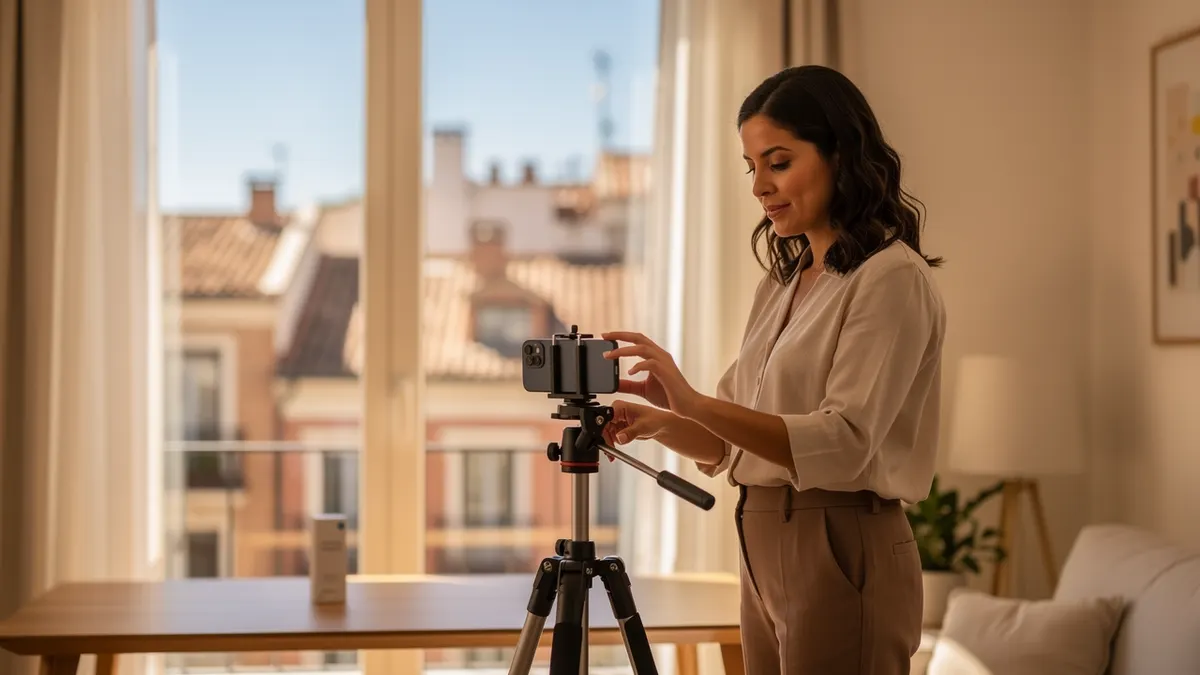
What converts in skincare and make-up, which creators to engage, and the briefs that produce profitable ads.
What really converts
Five formats, from most effective to least.
The double shade shot, dealt with above.
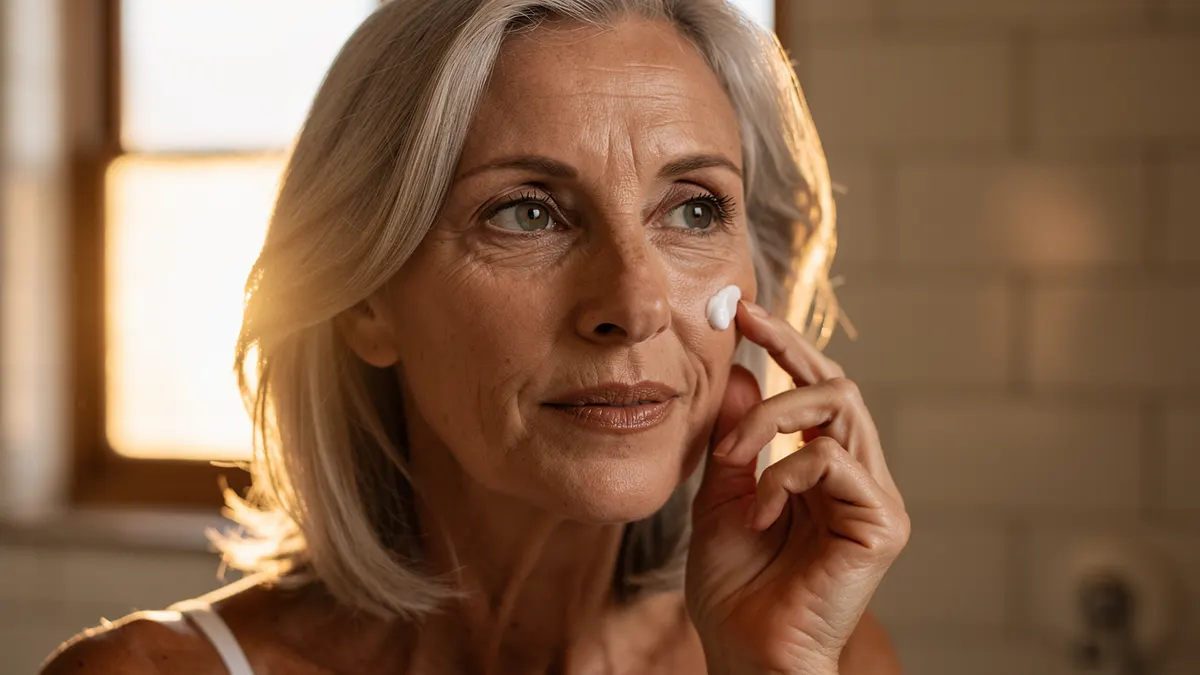
The application in real time, with no cuts, showing the quantity used and the texture.
The result at the end of the day, eight hours later, which answers make-up's only real question.
The complete routine in order, the most watched format in skincare.
And the comparison between two formats of the same product, rather than between two brands.
Which creators to engage
Four profiles, with their uses.
The person whose skin type matches the target audience, a criterion more important than audience size.
The person who has used the product for several weeks, the only one able to speak about a result over time.
The profile showing ordinary skin, with its irregularities, more credible than a perfect complexion.
And the sector professional, for technique, within the limits their qualification allows.
One casting note: vary skin tones and ages within a single campaign. One video cannot serve every audience, and the shade visible on screen decides who feels concerned.
What can be said and what cannot
Six statements to set aside by default.
Any promise of a result on a skin condition, medical ground.
Any statement of treating, curing or preventing.
Any before-and-after suggesting a guaranteed or permanent effect.
Any quantified efficacy claim not appearing in a file supplied by the brand.
Any recommendation to mix products or use them off-purpose.
And any unproven environmental claim, governed by strict rules.
What remains possible: describing a texture, a smell, a sensation, a gesture, a wear time personally observed. The list of authorised wordings is asked of the brand and checked with a lawyer before the shoot, never at the edit.
How many pieces to buy
Four volume markers, by use.
To test a shade or an item: three videos, three different skin tones.
For a product listing: two pieces, one application and one end-of-day result.
For paid advertising: several variants per angle, because a creative wears out fast in this highly competitive category.
And for a regular presence: four to six pieces a month, differing by format and not by product.
One cost consequence: order several videos from the same creator with the same product rather than shipping ten parcels for ten isolated videos. Sending often costs more than the shoot.
What is filmed on a beauty product
| Shot | What it shows | Lighting condition |
|---|---|---|
| The texture on a finger | The real consistency | Side window, no filter |
| The application | The gesture and the amount | Same light from start to finish |
| The result | What it does on skin | No retouching, no smoothing |
What is said out loud
The skin shown is the creator's, the light is unmodified, and the result applies to that skin. Three sentences that protect the brand as much as the creator.
What is never promised
An effect on a skin condition, wrinkles disappearing, a deep action or a time to results. Those statements fall under cosmetics regulation and are confirmed with the manufacturer and a lawyer.
The Spanish calendar
Five moments structuring the year.
The start of the year, oriented towards routine and simplification.
Spring, the moment of sun protection and the change of season.
Summer, when the subject becomes wear in high heat and after-sun care.
The September return, a period of resuming routines and renewing products.
And the year's end, the moment of gift sets, to be prepared from October.
One last marker: in beauty, the video that sells is not the one that flatters, it is the one showing exactly what the person will see in their mirror, at their window, with their skin.