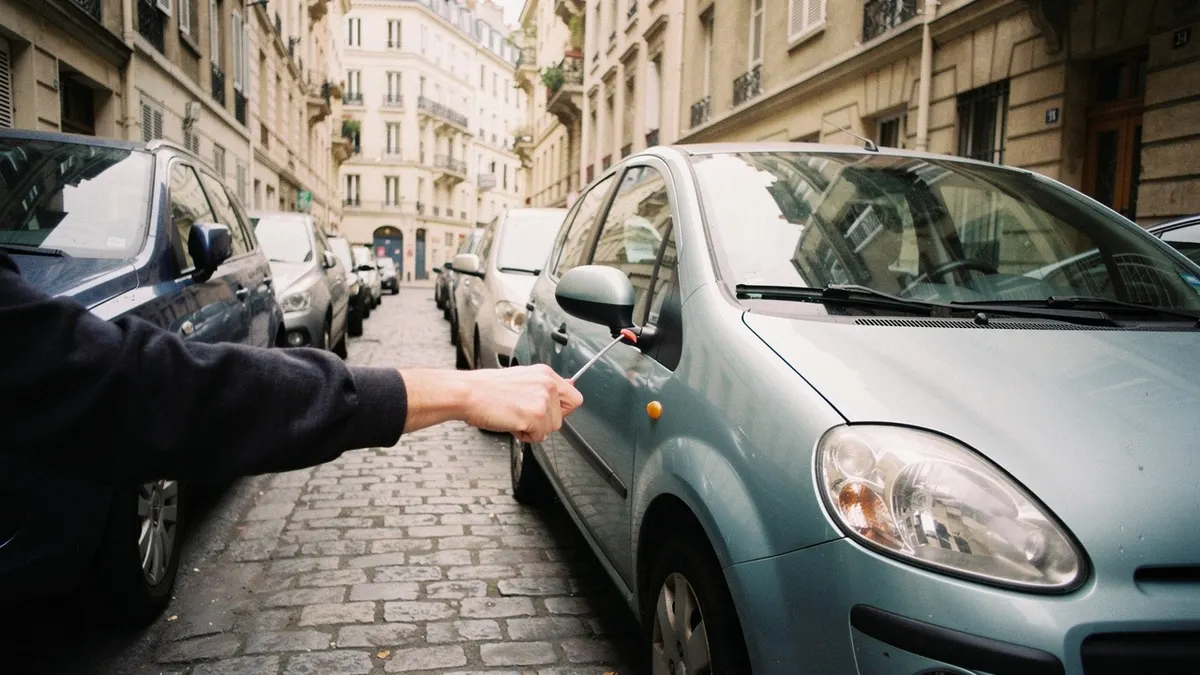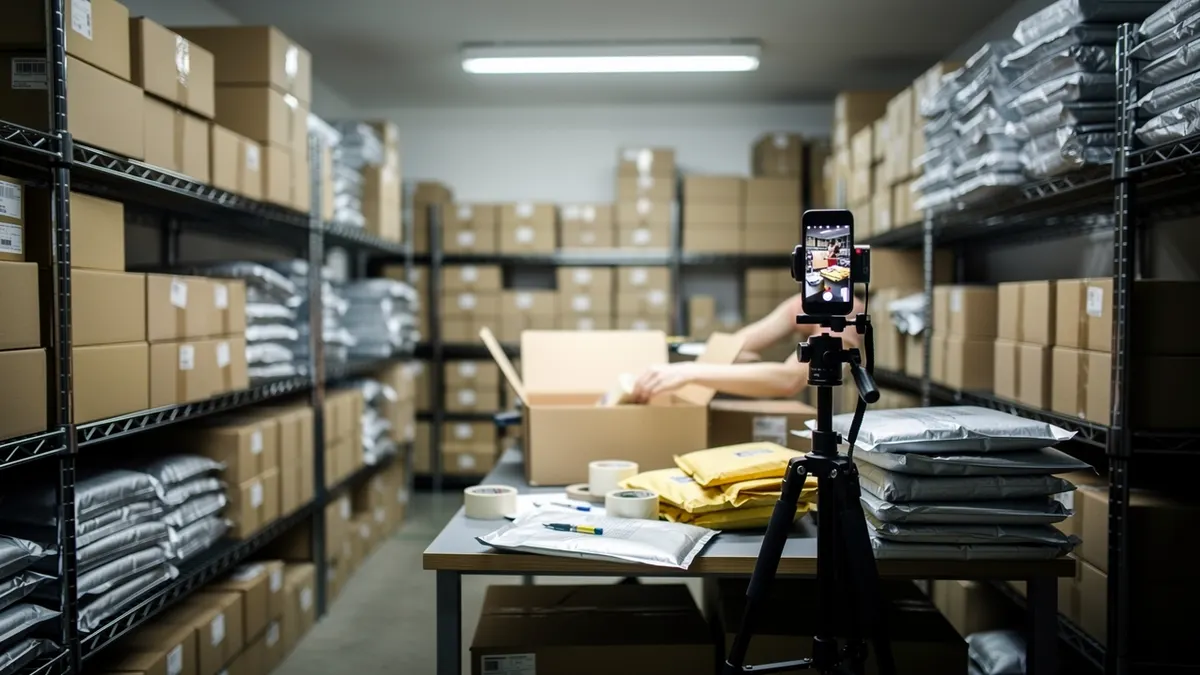
A shared language creates false familiarity. It suggests that existing content will work as it is, when the gap lies elsewhere, in material details.
The shared language creates false familiarity
Three gaps, all invisible from outside.
Everyday vocabulary: the names of objects, foods, actions and shops differ, and a word used naturally on one side sounds foreign on the other.
Shared references: the festivals, the rhythms of the day, the meals, the consumption habits do not overlap.
And commercial conventions: the way of talking about a price, a warranty or a delivery is not the same, and that is often what gives away an imported video.
The accent is not the problem, but it changes the question
It is worth being precise here, because the confusion is expensive.
An accent is not an obstacle: it is perceived as an origin, not as a fault, and it can even serve a brand that owns where it comes from.
What causes a problem is the vocabulary and the references, because they create a distance the viewer cannot explain. They do not say "this video comes from elsewhere", they say "this is not for me".
The practical rule: keep the voice, change the words.
What has to change in the content
Four elements, before even shooting.
The product references, described above.
The vocabulary, read by somebody from the target market, not by a generally Spanish-speaking person. They will spot in one reading the ten words that give away the origin.
The domestic context: the size of homes, meal times, the way the day is occupied. Content shot in an interior that does not exist here is talking to somebody else.
And the buying channel: where the product is actually found, online, in a supermarket, in a specialist shop. That is the information most often missing.
The shortcut that does not work
Subtitling existing content.
It is the permanent temptation, because it is almost free. It fails for a simple reason: the gap is not in comprehension, it is in recognition. The viewer understands every word and recognises themselves in none.
A video reshot on the spot, with a local creator, a local interior and the references available here, costs more and works, which makes it cheaper in the end.
The rules to check
Two points, before any distribution.
The claims applicable to the product, the compulsory statements and the transparency obligations on the commercial nature of the collaboration depend on the market of distribution, not on the brand's country of origin. They are checked with the competent authority and with a lawyer.
And statements about prices, promotions and customer reviews follow this market's rules. Wording perfectly accepted elsewhere may not be here.
What gets rewritten when you cross markets
| Element | What moves | Why |
|---|---|---|
| The product vocabulary | One word per country | The same object has different names |
| The displayed currency | Always the audience's | A foreign price drives people away |
| The cultural reference | Often to be cut | It does not translate |
What stays as it is
The edit, the light, the pace and the order of the shots: what changes is the words and the prices, not the video.
What is tested before launch
Two versions of the same video, one per language variant, on a small budget, before committing the campaign.
The best way in
One product, one local creator, three videos.
Rather than adapting the whole catalogue, choose the reference that needs least explanation and make three videos with somebody from here: the demonstration, the objection handled, and the comparison with what people already use.
You will learn more in one month with those three videos than in six months of translated content, and you will know what to change for the rest of the catalogue.