The one-page brief that gets a usable video first time, and the instructions that ruin the take.
One page, not three
That is the rule making the difference between a brief that is applied and one that is skimmed.
A long brief is not more precise, it is easier to misread. What counts fits on one screen: the product, the thing to prove, the format, the length, what not to do, the date.
Two moves. Put everything contractual in a separate document, and keep the brief for what gets filmed. And write the sentences as instructions, never as paragraphs.
Name the one thing the video must show
The costliest mistake: asking for three proofs in a single video.
A video proves one thing, and one only. Speed, or durability, or simplicity, or price, never all four.
The method: write that sentence at the top of the brief, in one line, starting with "by the end of the video, the person must believe that…". If you cannot finish it in one line, you need two videos, and two briefs.
Isolate the compulsory mentions
That saves the take and compliance at the same time.
Imposed mentions must never be drowned in the brief's text: they go in a separate box, with the exact wording to say or display, word for word.
Three details to give: whether the mention is spoken or written, when it must appear, and how long it stays on screen.
The applicable mentions depend on the product and the channel, and are checked with a lawyer before the shoot, not in the edit.
Say what happens about revisions
The number one source of tension after delivery.
Three lines are enough: how many revisions are included, what counts as a revision, and what becomes a new job.
A useful rule: a request that forces a reshoot is not a revision. Write it before, not after.
What to add that nobody writes
Four elements that save a whole day.
The exact product name as it must be pronounced, with the pronunciation if it is confusing.
The forbidden words: the competitors', those promising a result, and those that ring false locally.
The expected output: vertical format, margins to leave free for subtitles, original sound kept or not.
And an example of what you do not want. A counter-example is more effective than three references.
What a brief must contain to avoid a reshoot
| Line | What it avoids | Length |
|---|---|---|
| The exact product and its reference | Filming the wrong model | One line |
| The forbidden sentence | A complete reshoot | One line |
| The formats and the naming | An export to redo | Two lines |
| The date and delivery channel | An unseen delay | One line |
What goes in an appendix, not in the brief
The brand charter, the legal notices and the reference samples. The brief fits on one page; the rest is attached and consulted when needed.
What you ask the creator before they shoot
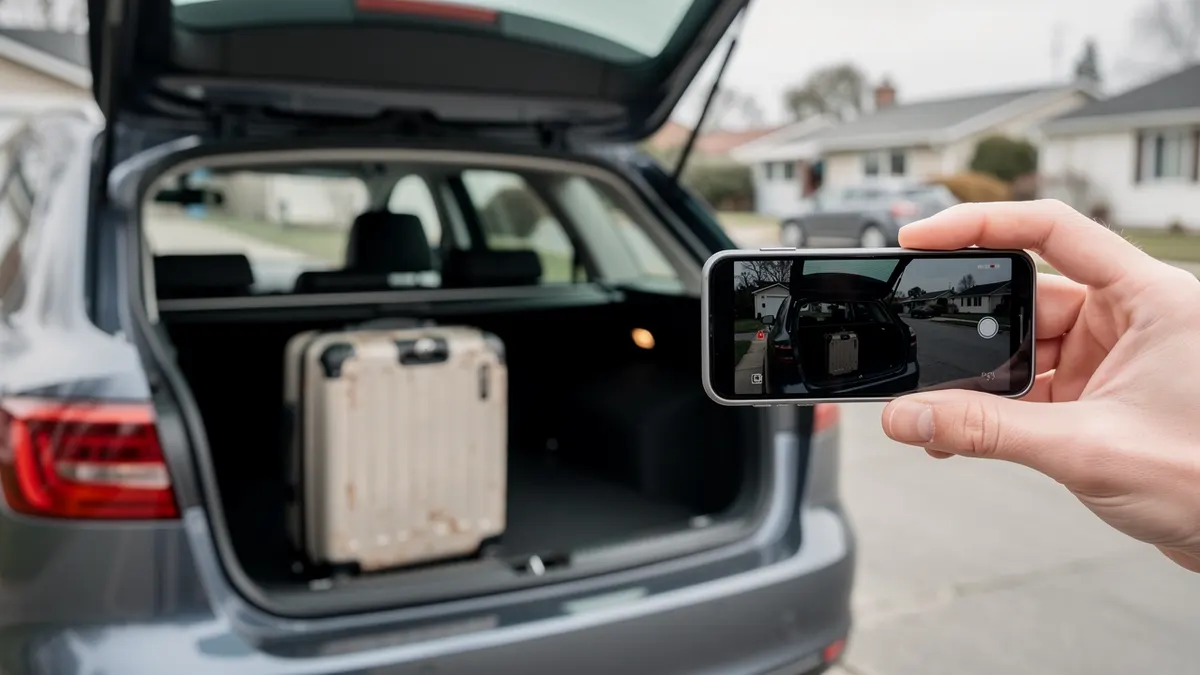
A wide shot of the set and the first line of the script. Two minutes of checking avoid a whole shooting day being redone.
The test before sending
Two checks, two minutes.
Have the brief read by somebody who does not know the product and ask them what they would film. If their answer does not match, the brief is not clear.
Then reread it asking, for each sentence, whether it describes what must be filmed or only what you would like to feel. Everything about feeling gets cut: it cannot be filmed, and it takes the place of useful instructions.