The eight seconds spent on your profile, what a foreign client checks first, and the three lines that decide.
What they look at first
Four elements, in the real order of the gaze.
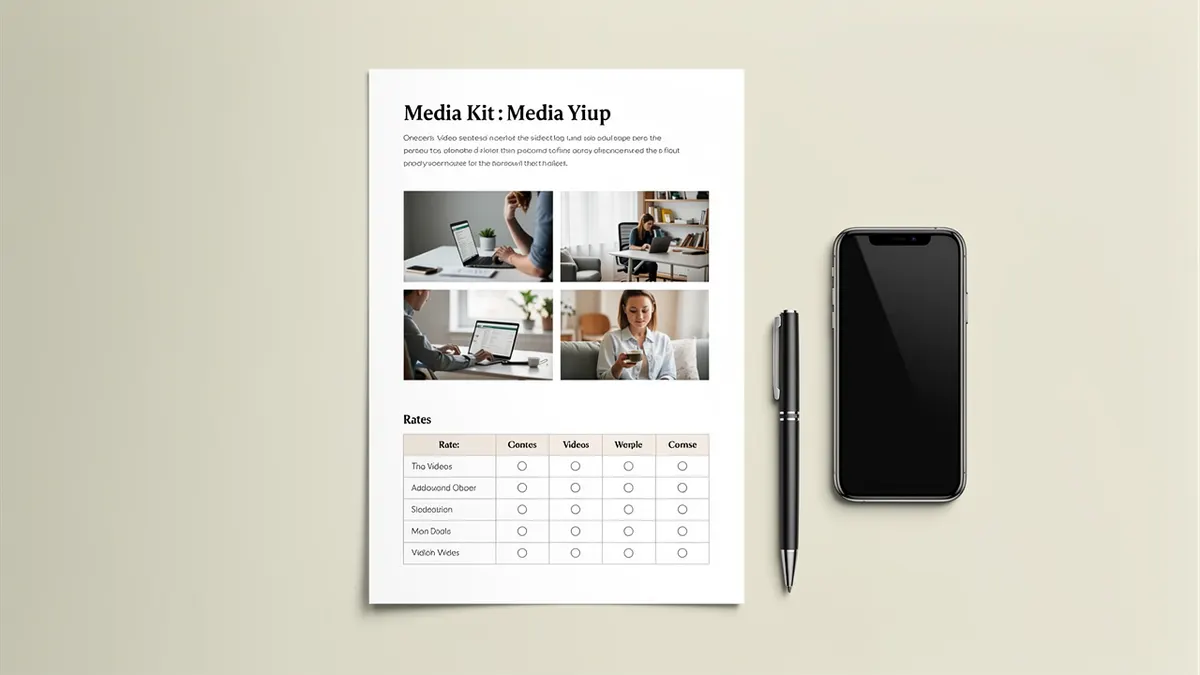
The first image of your portfolio, which has to resemble what they want to order, not your finest achievement.
The first line of text, which has to contain the category and the working language.
The proof of consistency: three coherent examples are worth more than twelve mismatched ones.
And availability, that is the fact that you take jobs now.
One counter-intuitive note: the follower count is not on that list. A brand buying videos for its product listing or its advertising buys a production, not an audience.
The two things a foreign client checks
The first is administrative.
They check that you can issue a compliant document for their accounting, and that payment will not cost them three weeks of paperwork. So state your status, the accepted means of payment, and who bears the transfer fees.
The second is linguistic.
They check that the delivered language will be right for their market. If your Spanish is the one spoken here, say so: it is useful information, not a fault. A brand targeting another Spanish-speaking country will prefer to know before ordering, and a brand targeting Argentina is looking for exactly that.
The three lines that decide
Three sentences, written in this order, are enough to make the difference.
What you do, with the category: "product videos for skincare and home brands".
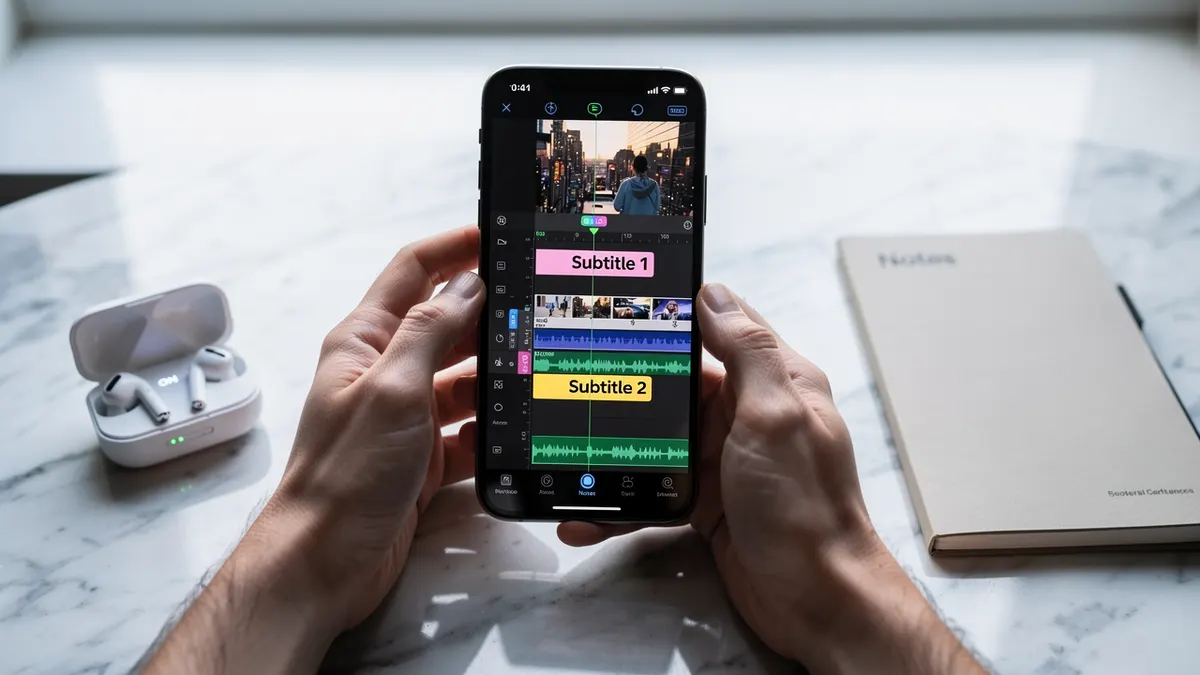
How you work: "delivery in five working days, two formats, subtitles included".
And how you are paid: "invoice issued, payment by transfer or platform, fees borne by the client".
Three lines, no images, and most of the doubt disappears. Then add your style, your tone, your world: they count, but they convince somebody already reassured.
What removes credibility
Four frequent mistakes.
A portfolio made only of unpaid collaborations presented as campaigns.
Old examples with no date: in this trade, two-year-old work looks dated.
A missing rate combined with a refusal to give one: the client understands negotiation will be needed, and moves to the next profile.
And screenshots of statistics with no context, which prove nothing and take the place of a useful example.
One useful clarification: three videos made for products you bought yourself, filmed cleanly, are better than a list of brand names with no proof.
What the brand checks before making contact
| Element | What it looks for | Weight |
|---|---|---|
| The first three samples | Sharpness, sound, framing | Decisive |
| The displayed price | Fit with the budget | Strong |
| The lead time in working days | Feasibility | Strong |
| The account age | Nothing | Weak |
What is filled in without storytelling
The city, the languages spoken, the formats delivered, the invoicing currency and the range. One presentation sentence is enough; the rest is read in the samples.
What is updated each quarter
The lead sample, the availability, the range and the categories actually targeted. A profile frozen for a year drops out of searches without anyone noticing.
Spanish and English
Three cases, three answers.
You are targeting the local market: write in Spanish, with the words brands here use.
You are targeting foreign Spanish-speaking clients: write in neutral Spanish and state that you can adapt the vocabulary.
You are targeting English-speaking brands selling in Latin America: write a short English version, only for the commercial part, and keep your examples in Spanish.
One mistake to avoid: translating your whole profile into approximate English. A badly turned sentence in the announced working language worries more than it reassures.
One last marker, valid everywhere: a profile is reread every three months. The most recent examples move up, the old ones move down, and the availability line is updated. A profile that has not moved in a year says exactly that to whoever reads it.